Lingering in Infinite
 •
•
Game,
BioShock Infinite
•
•
Game,
BioShock Infinite
I’d recently started another playthrough of BioShock Infinite on PlayStation 3 (don’t ask), when a particular model caught my eye. “Huh, I wonder how many more are still lingering in the game,” I said to myself, in an empty room with the curtains closed. The answer? More than I expected.
Noting the lack of documentation on this and desiring to take a bit of a break from what I’ve been working on, a fixation took upon me, and I did an incredibly normal sane thing; I took a look at every single model in the game, to see which potentially carried over from an earlier point of development, when the game used a different art style altogether, and provided supporting evidence where possible.
For those that don’t know, Infinite had quite a lengthy development cycle. So long it apparently warranted its own Wikipedia page. Given the prolonged development cycle the original BioShock also went through, and seemingly the new BioShock is also going through, perhaps this should be viewed as something of a tradition at this point, as Infinite evidently wasn’t unique in this respect.
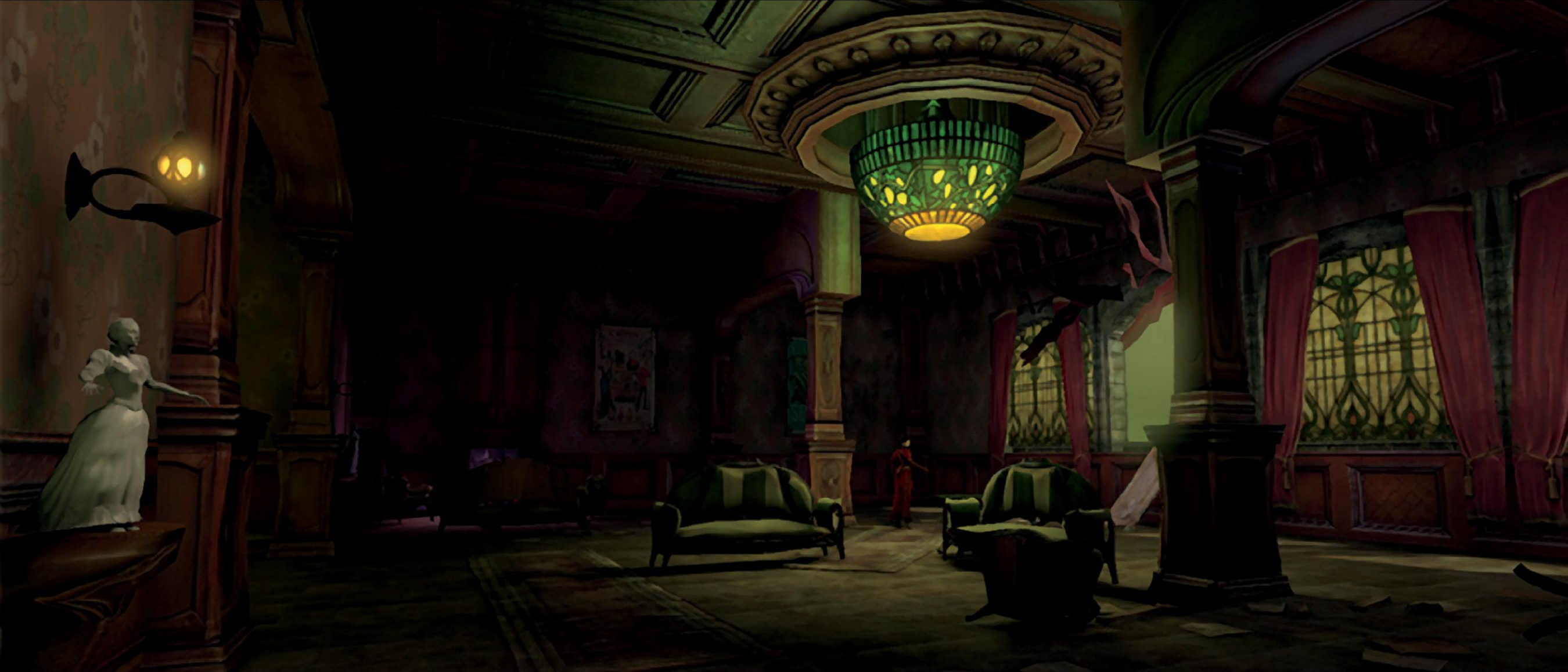
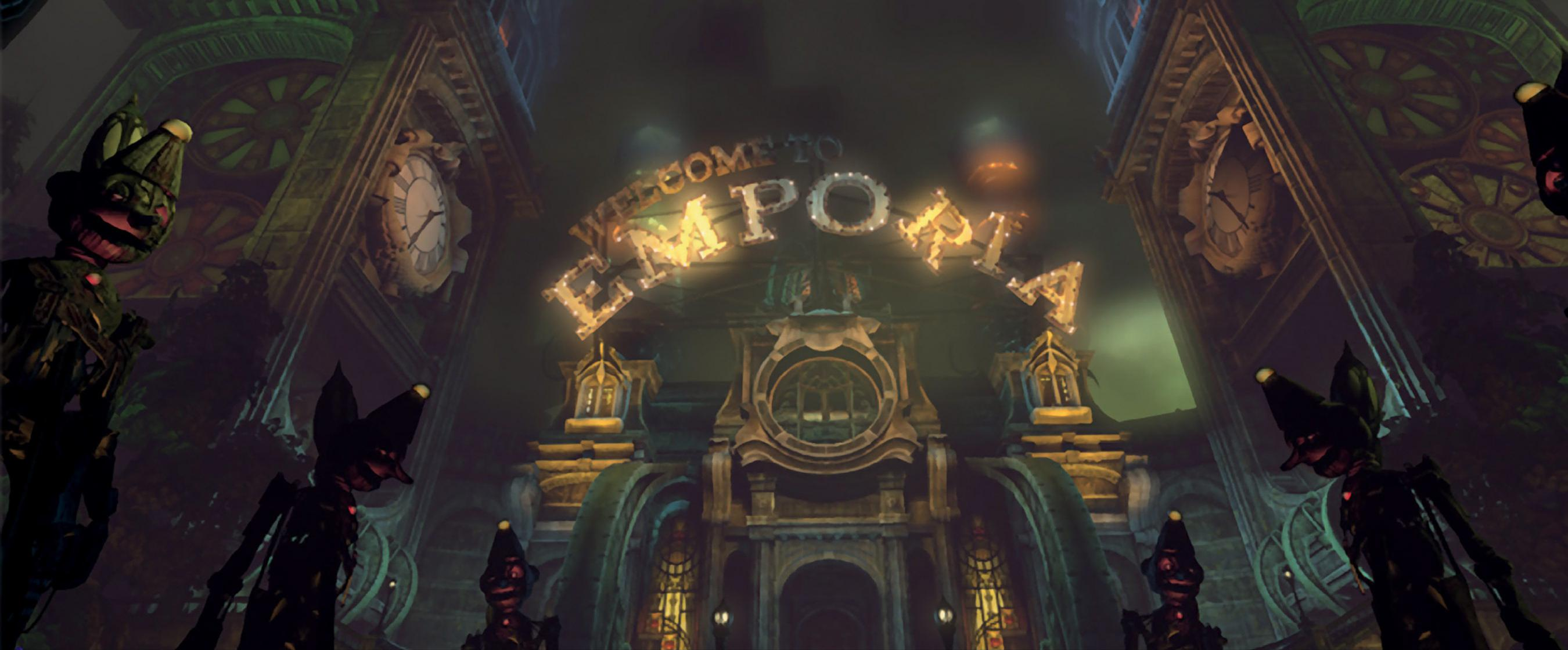
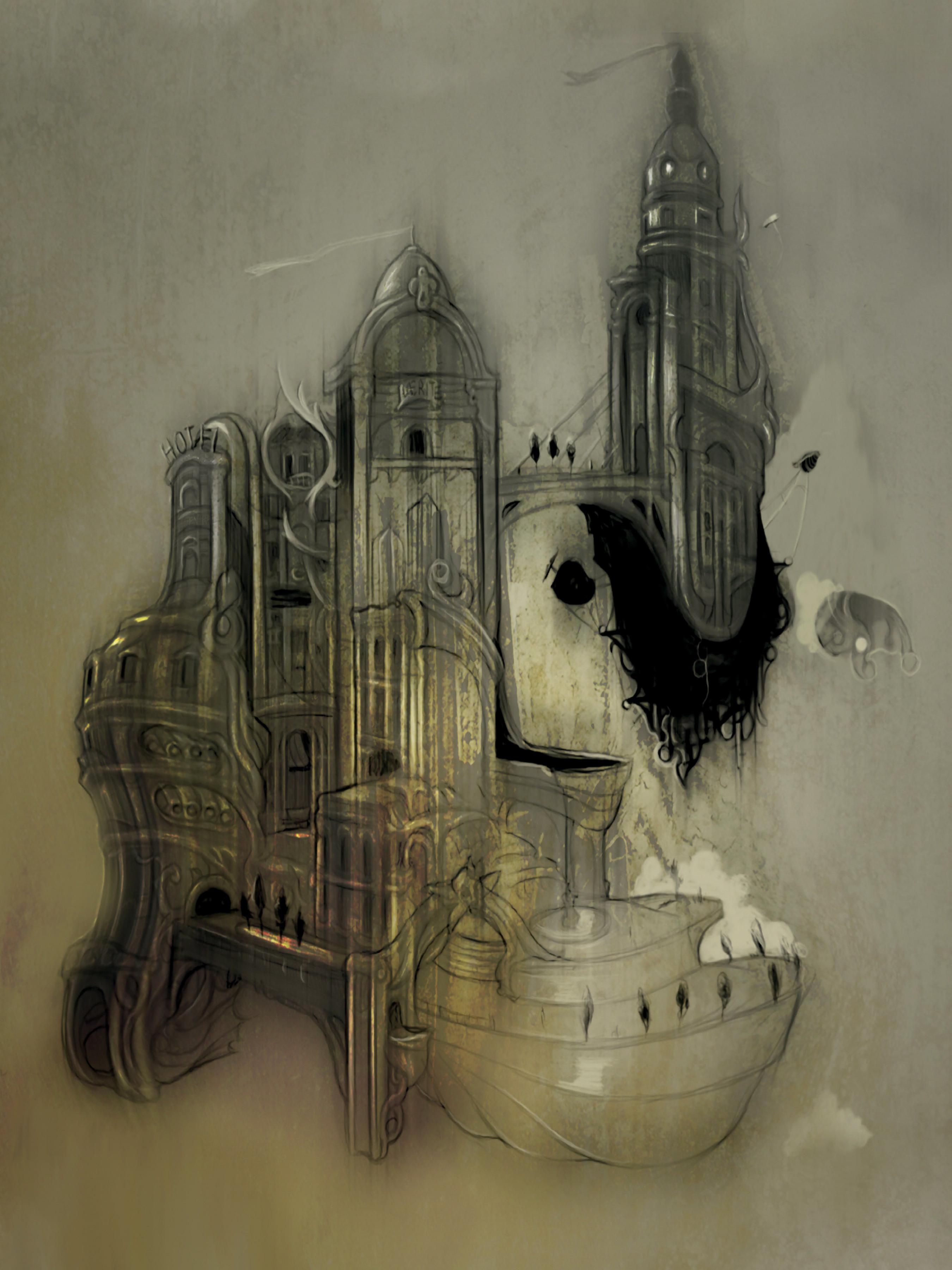
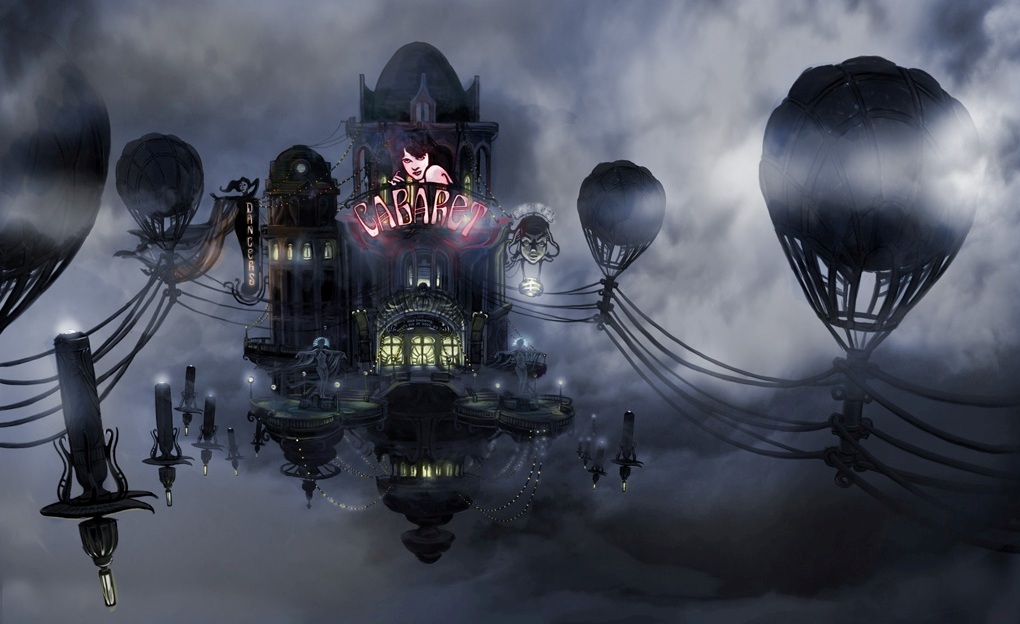
Anyway, what we’re primarily interested in here is that at one point, very early on, the team experimented with a particular art style known as Art Nouveau.
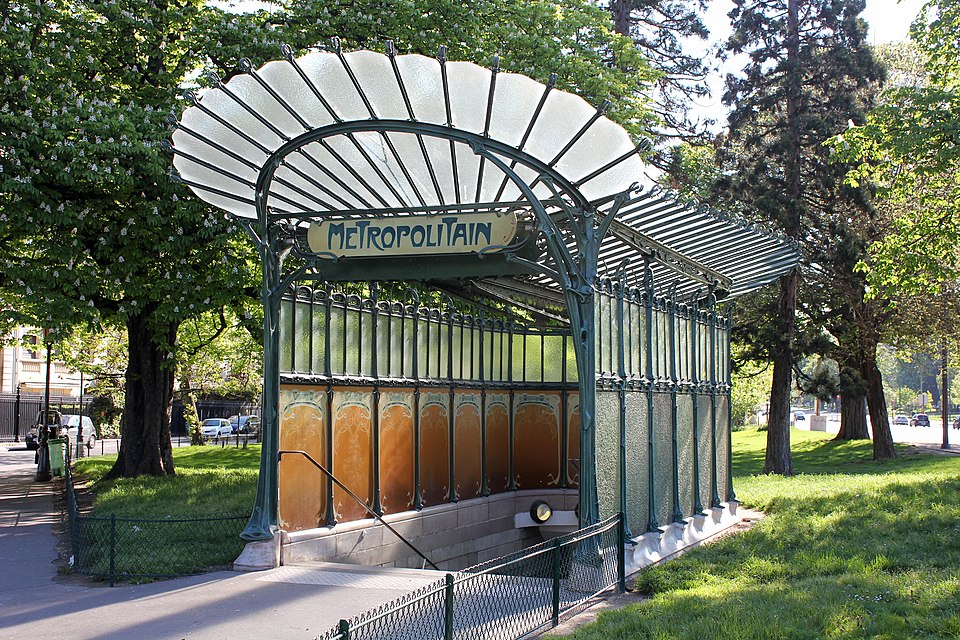 A metro station entrance in Paris. A good example of the Art Nouveau style.
It’s beautiful, I love it to death.
It’s worth giving Robert Schmutzler’s Art Nouveau book a read here or Geoffrey Warren’s All Color Book of Art Nouveau here if you want to see more examples of the style. There are many others if you look under the topic on Internet Archive here. It wouldn’t actually be all that surprising if some of these are the same books the art team on Infinite referenced themselves at some point or another.
Mind, I’m not an expert on the subject, beyond an admirer of it, but a rather funny titbit that gave me a little chuckle is that Nouveau translates as New in French. So it’s uh, Art New. But in France it was referred to as Style moderne, so, style modern. And if I understand right, the term apparently originated in the UK where it was referred to as Modern Style? Very creative…
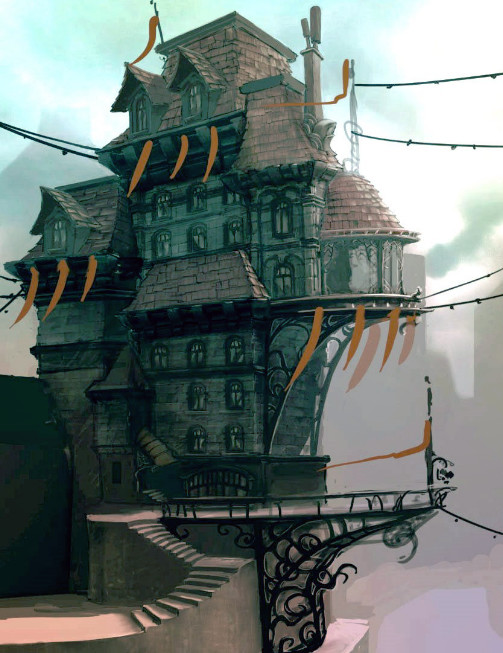
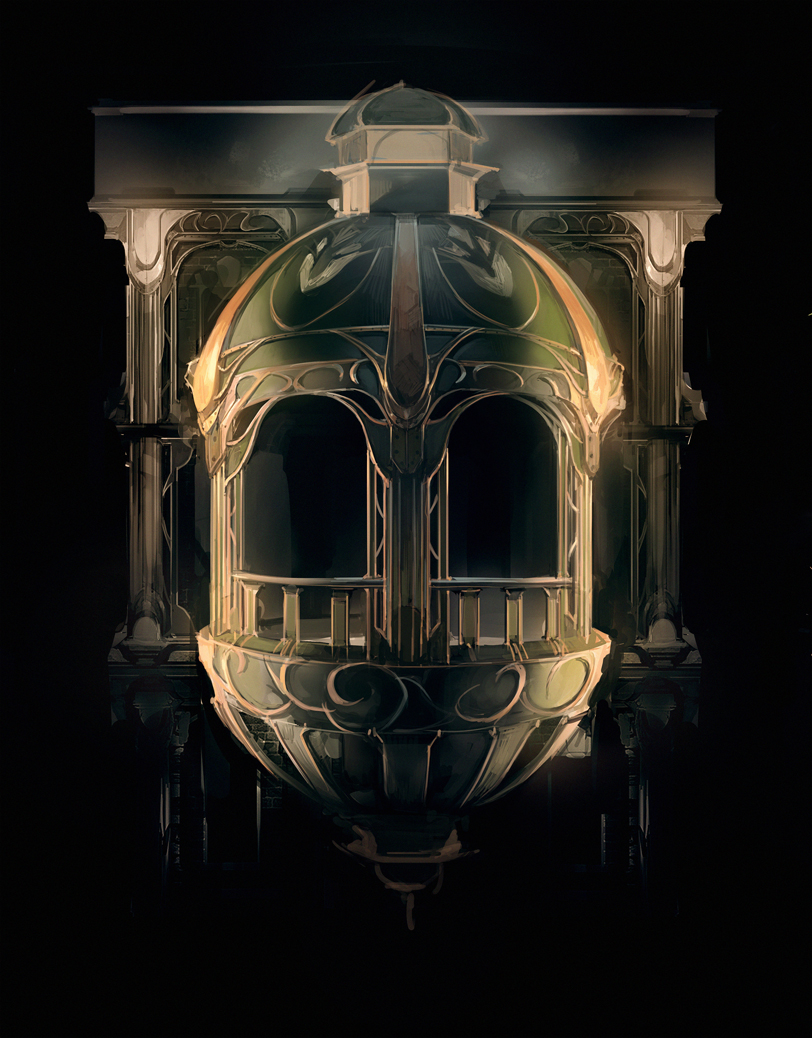
Below are some screenshots showing an earlier iteration of the game which incorporated this style. Some of these are from The Art of BioShock Infinite book, which I do recommend giving a look!
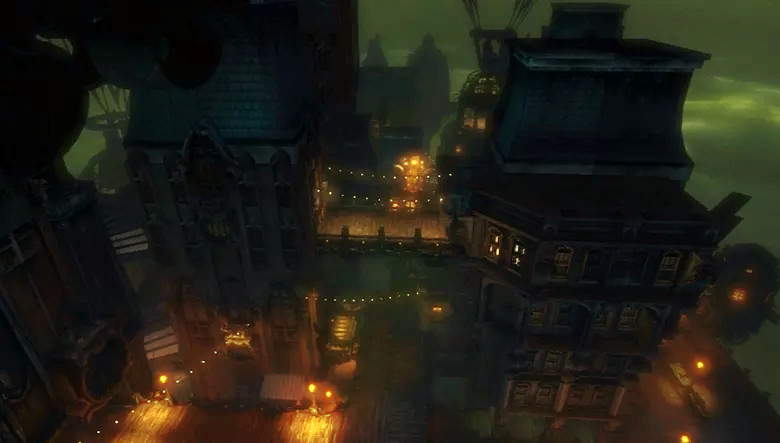
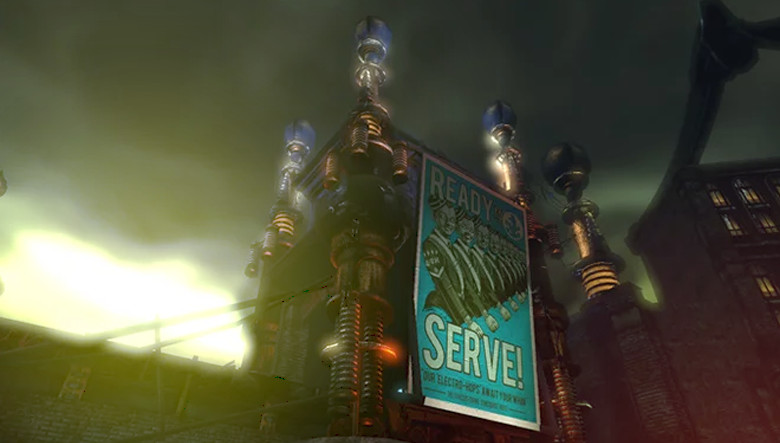
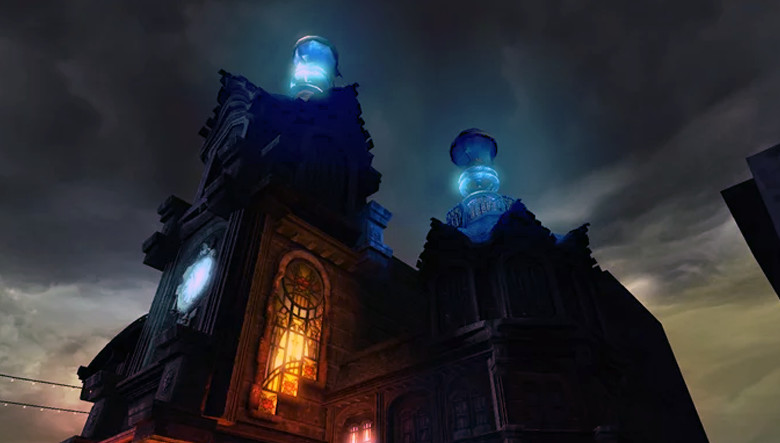
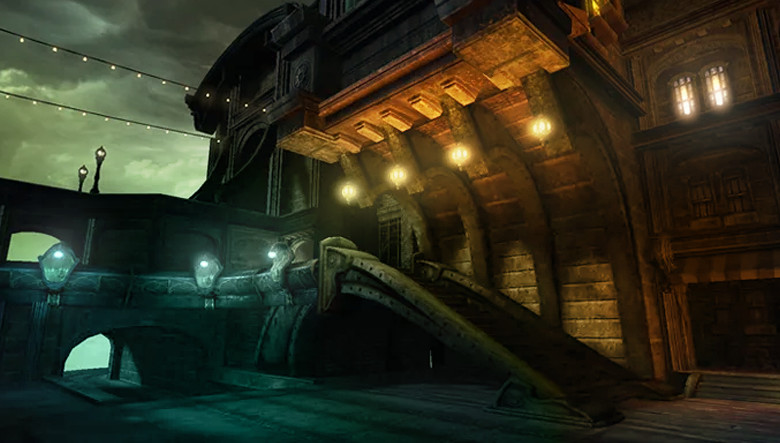
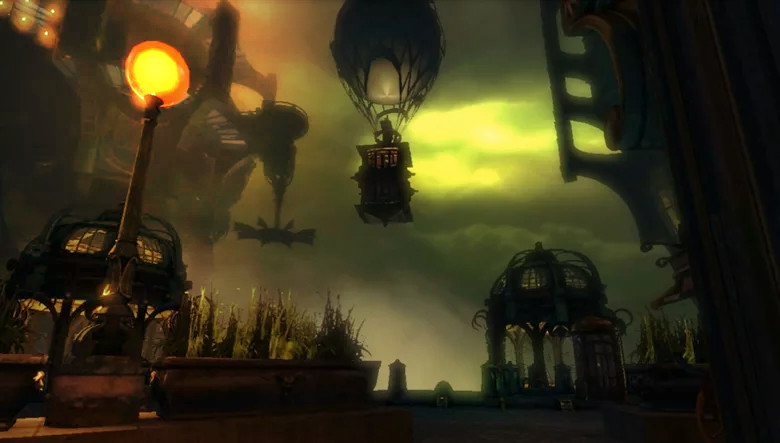
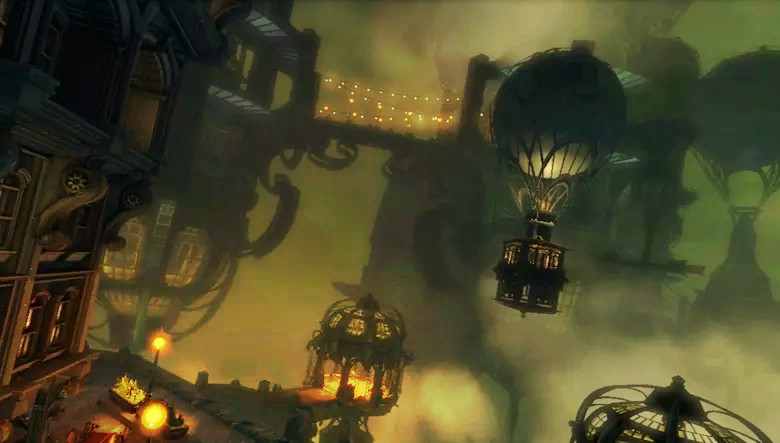
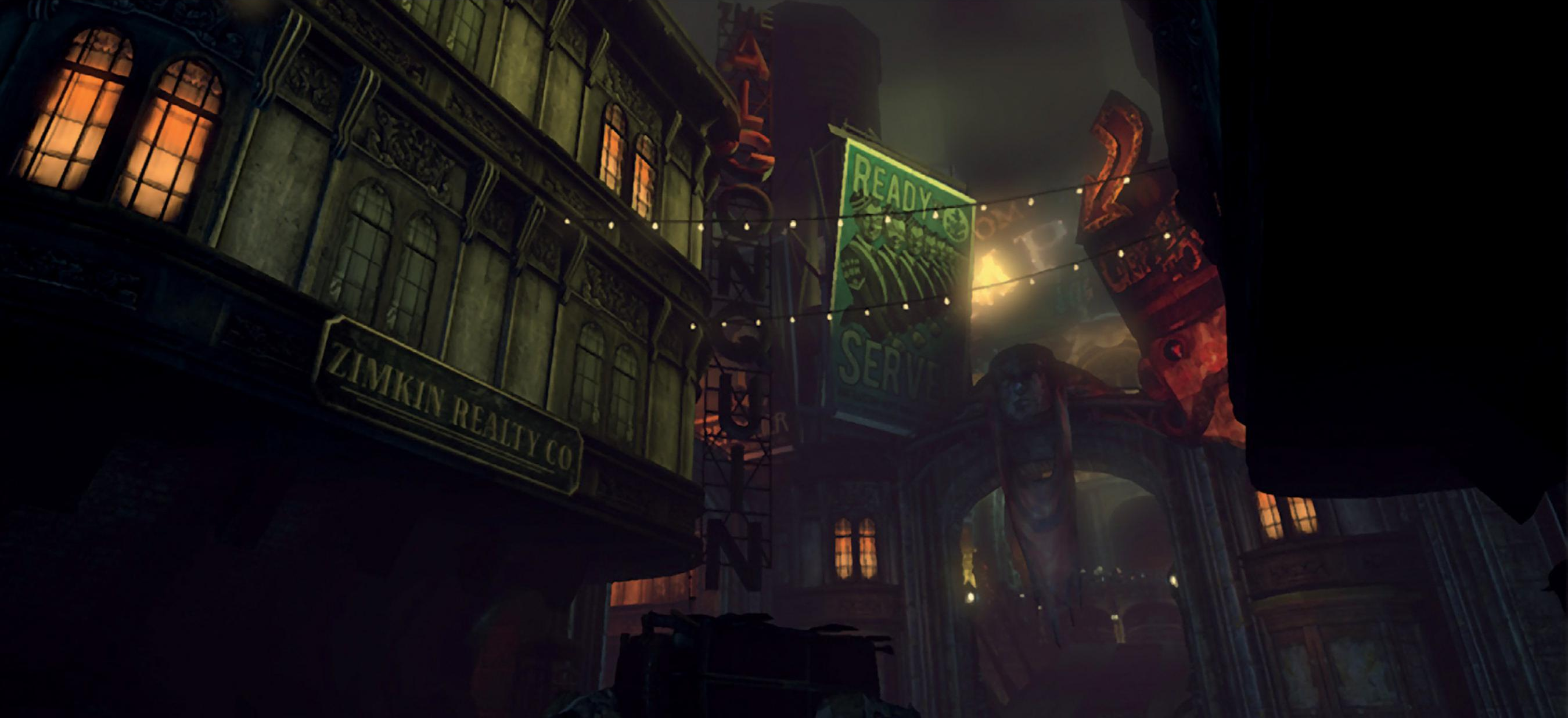
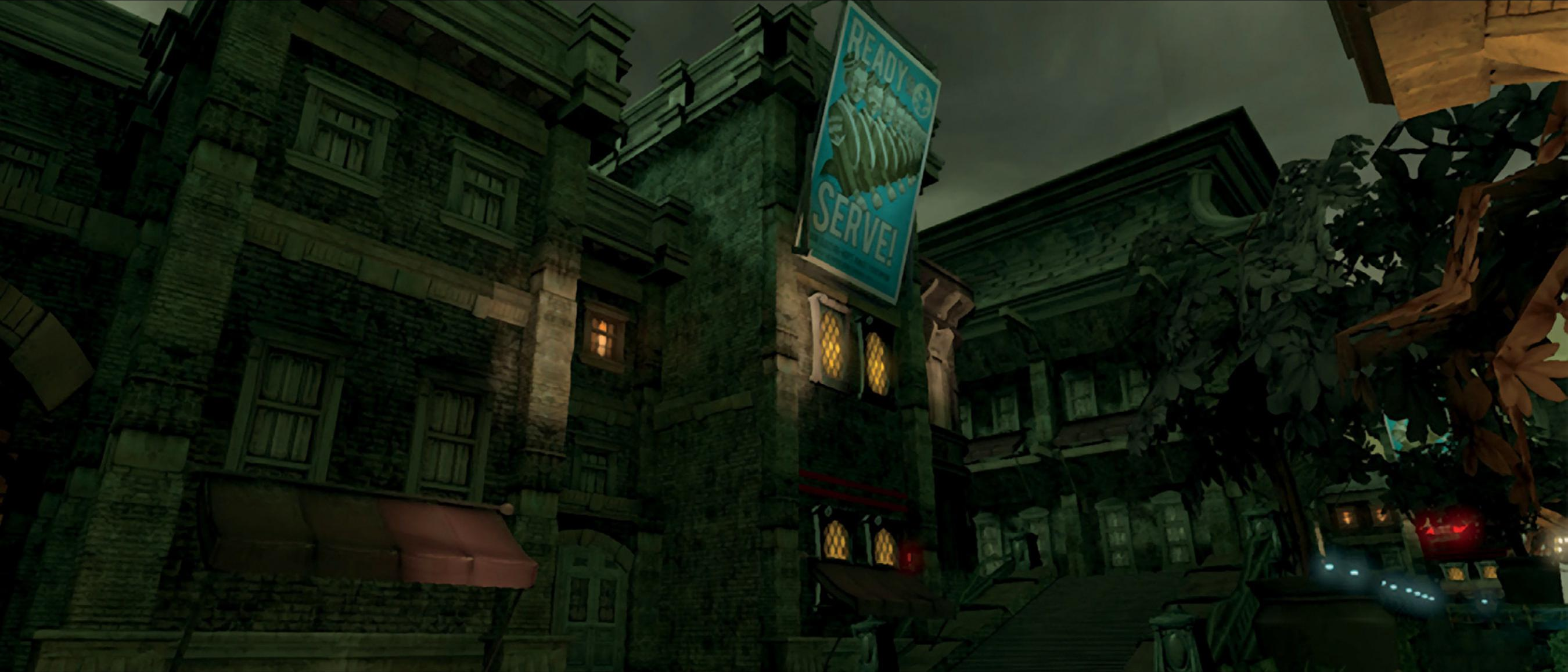
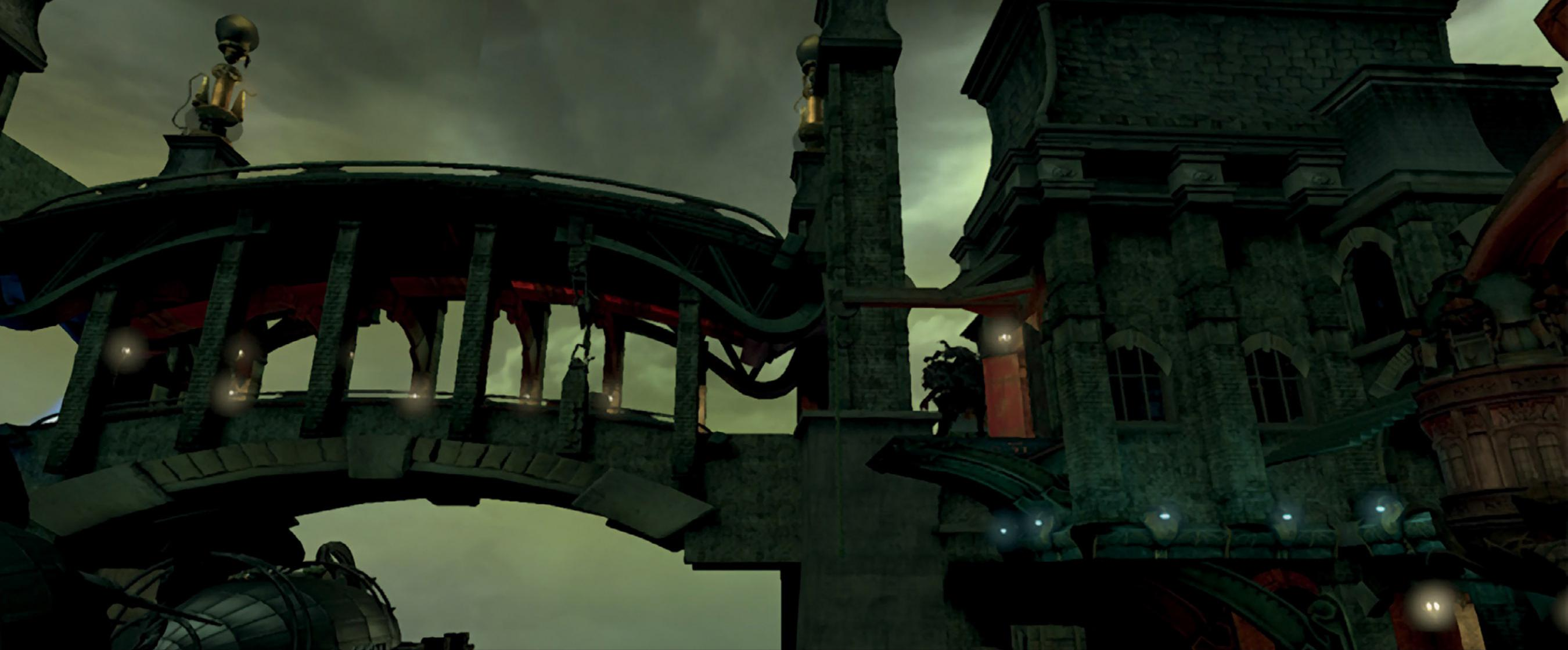
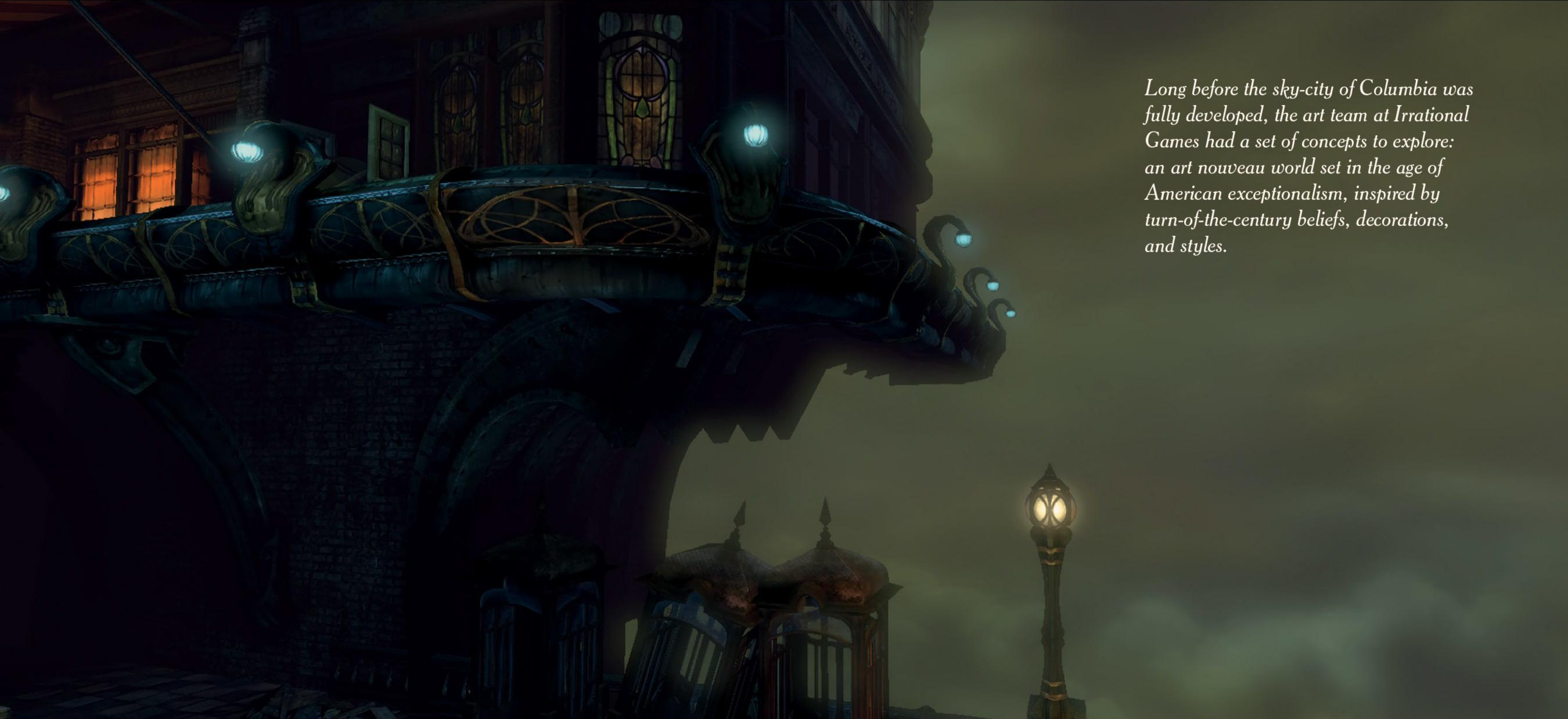
And some artwork, for good measure.
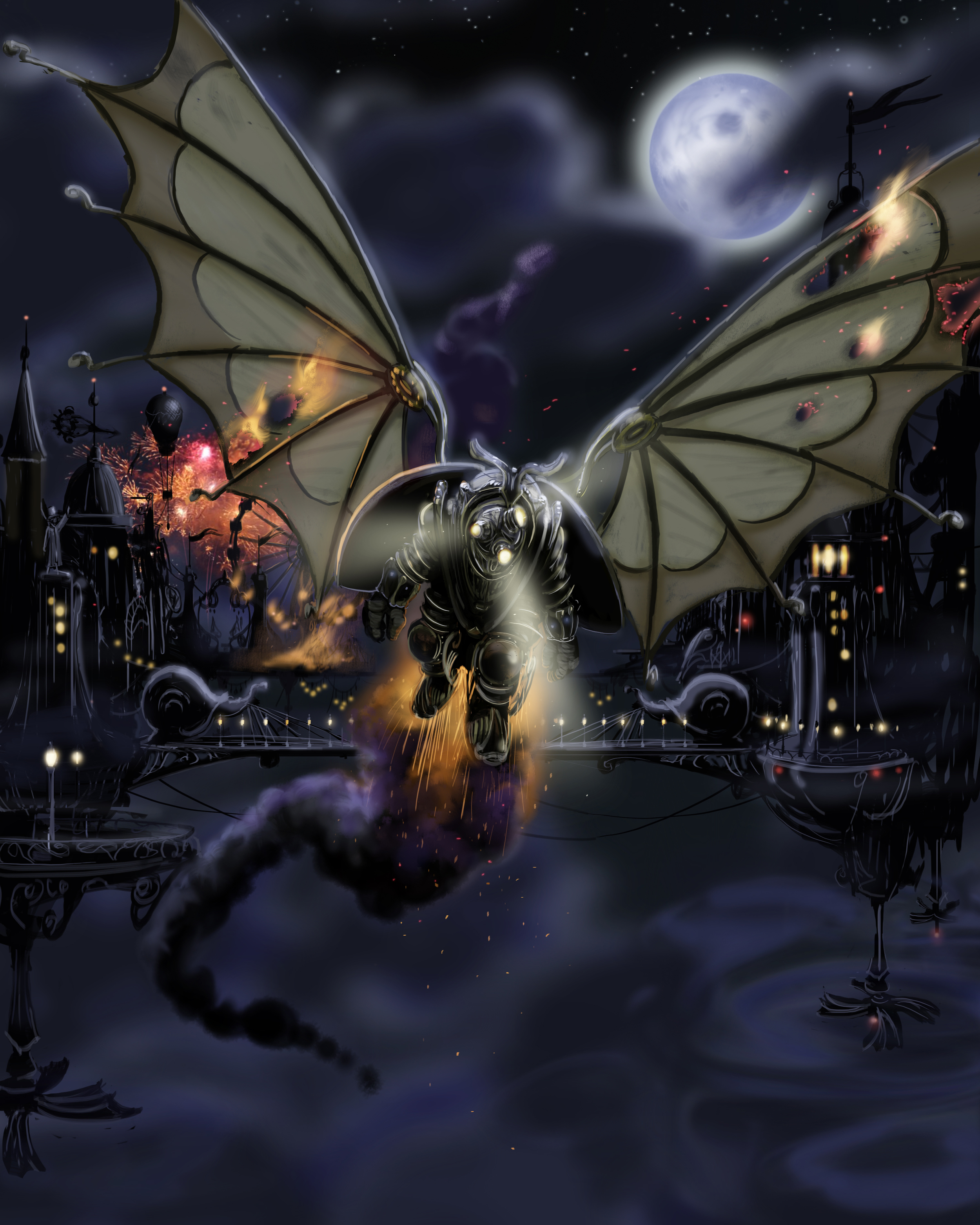
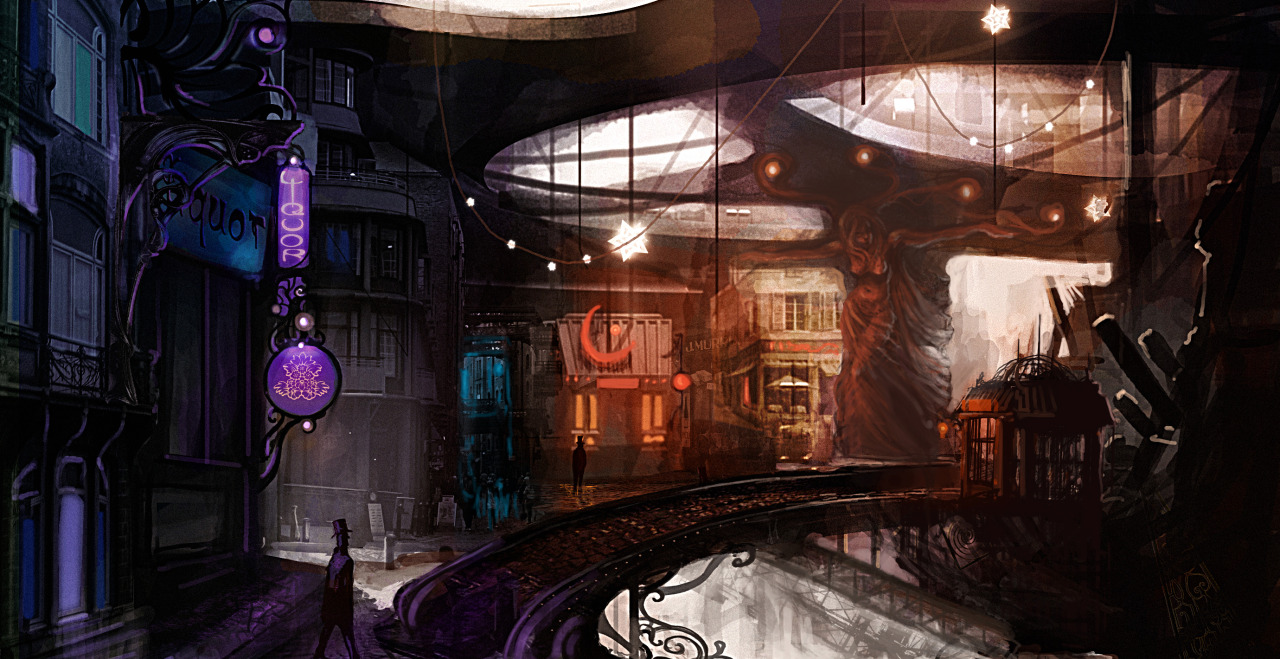
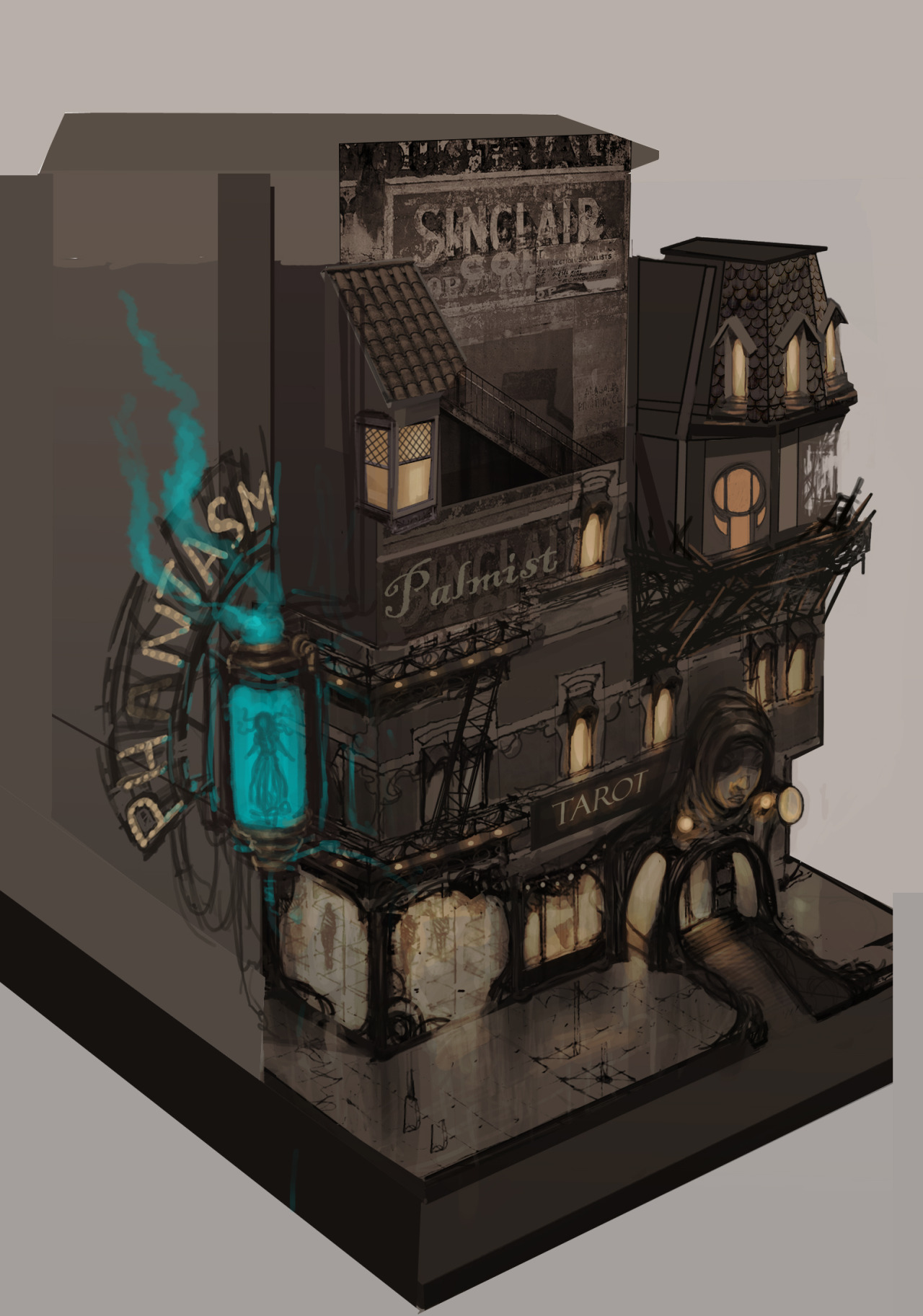
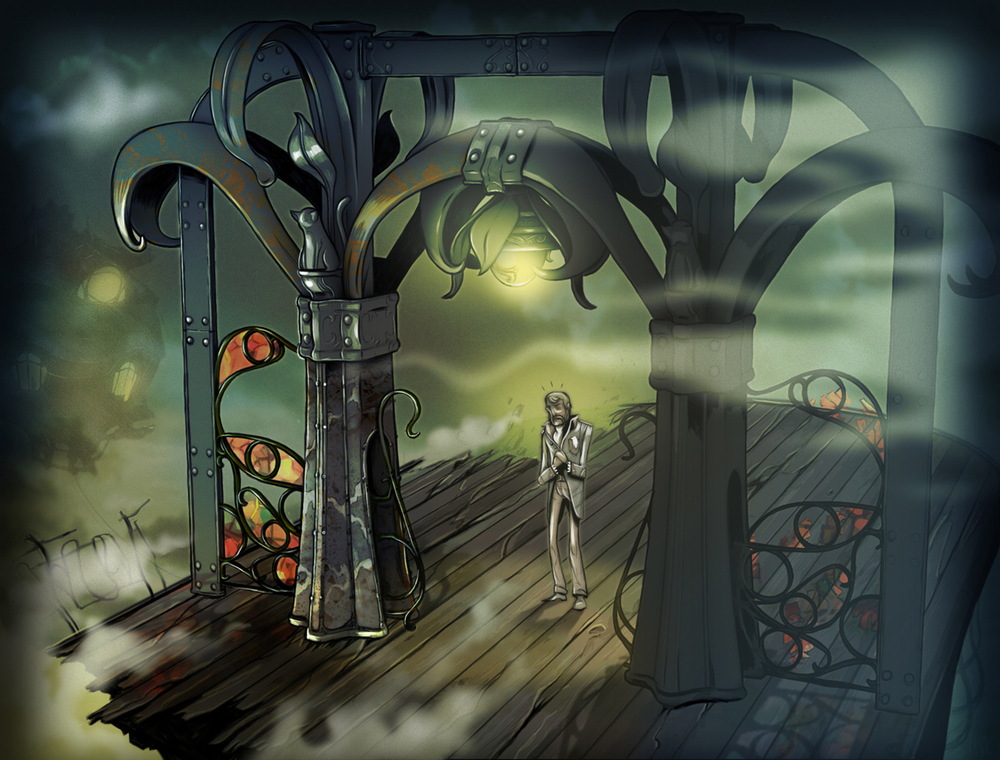
Why did they drop it?
At PAX 2011, it was said they felt the style was “… claustrophobic, too similar to Rapture”. This was again mentioned during an interview with Shawn Robertson, lead artist, with Engadget in 2011; “… first few maps we built might as well have been Rapture. We brought the clouds in, it was dark and stormy, the clouds had a greenish tinge to them, it was very claustrophobic.”
Additionally, according to Jamie McNulty, the lead environment artist on the game, “… we learned how hard it was to have so many french curves and round things in a level and running well on an xbox [360] and ps3.” So besides wanting to move away from Rapture a bit more, the decision may have also been due to technical concerns.
But this is why we’re here today! While the art style was ultimately dropped, it’s not entirely gone from Columbia, and elements of it do actually survive in the finished title. Very subtly, mind.
Interior Set
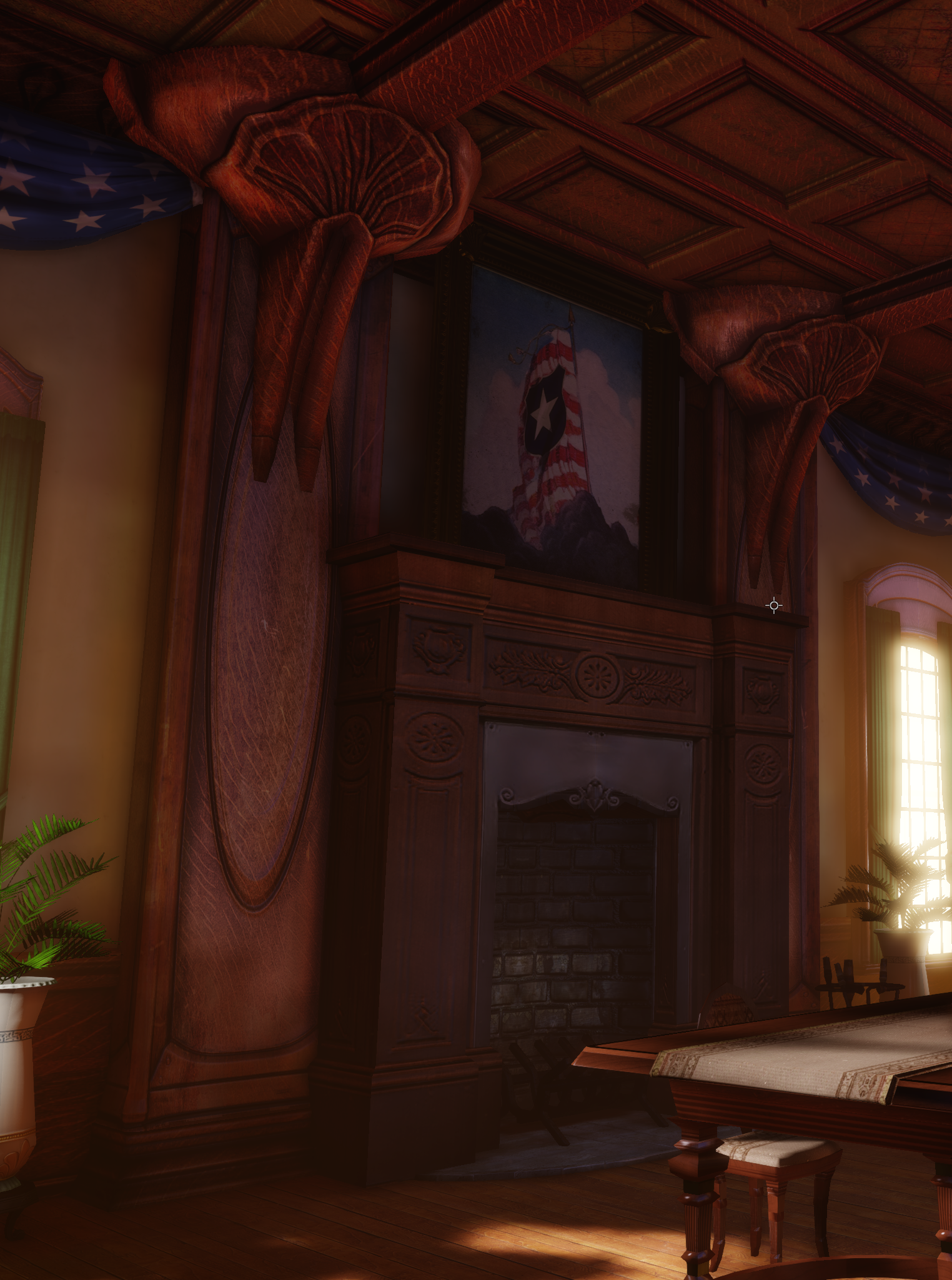
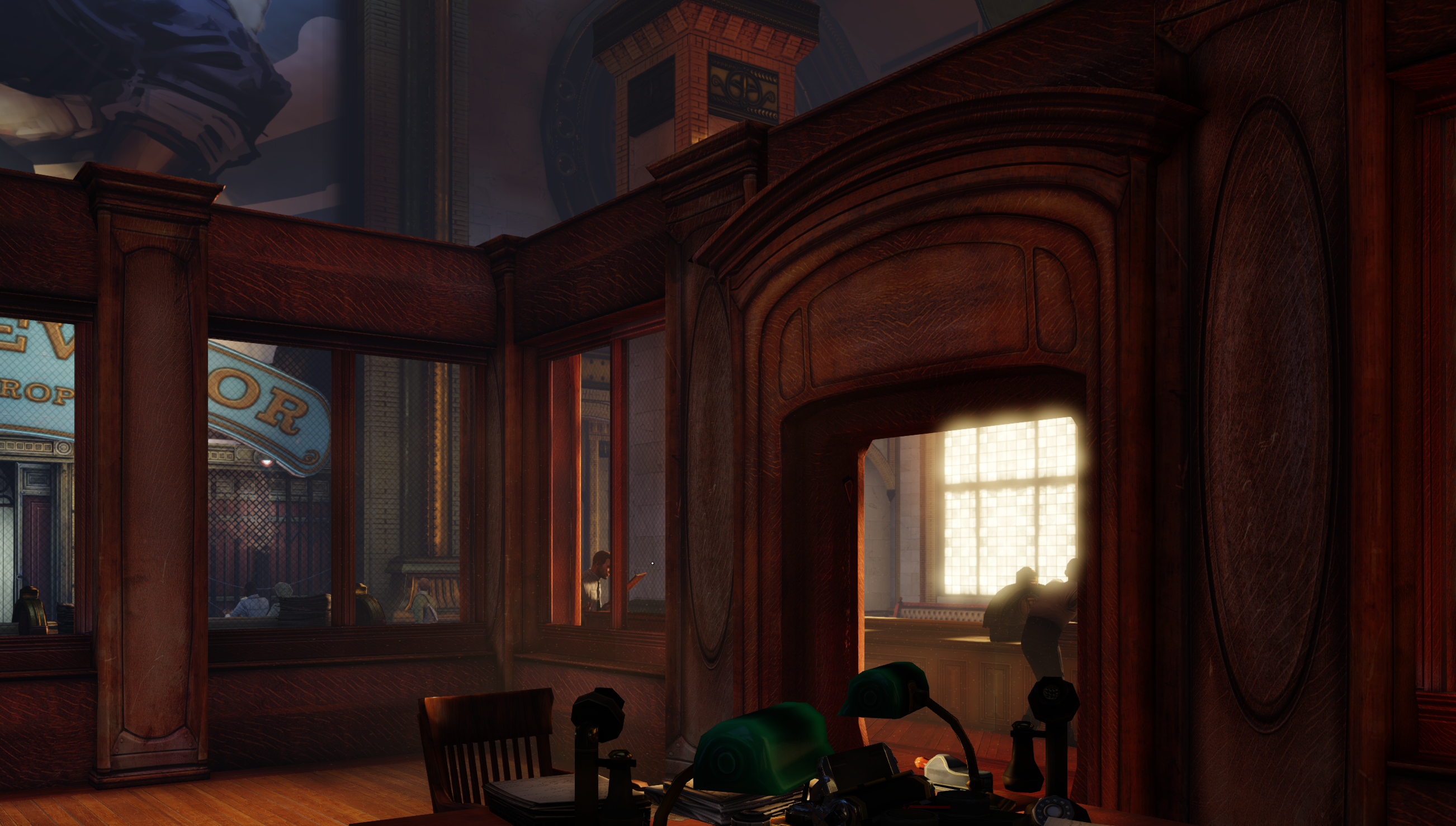
First up we’re going to look at a set of models referred to as Int_Set_01, which are essentially a collection of interior building blocks.
These are actually used widely throughout the game, for all sorts of things.
Even as part of a dressing table in one location!
Reusing models like this all over the place is a widespread practice. Without getting too technical, it’s a lot cheaper to do this instead of building your level out with lots of dense BSP details as the engine can more easily cache the geometry on the GPU and even use instancing; fewer explicit requests to the GPU and less work on the CPU.
You would be very surprised how many uses you can get out of rotating and scaling things around.
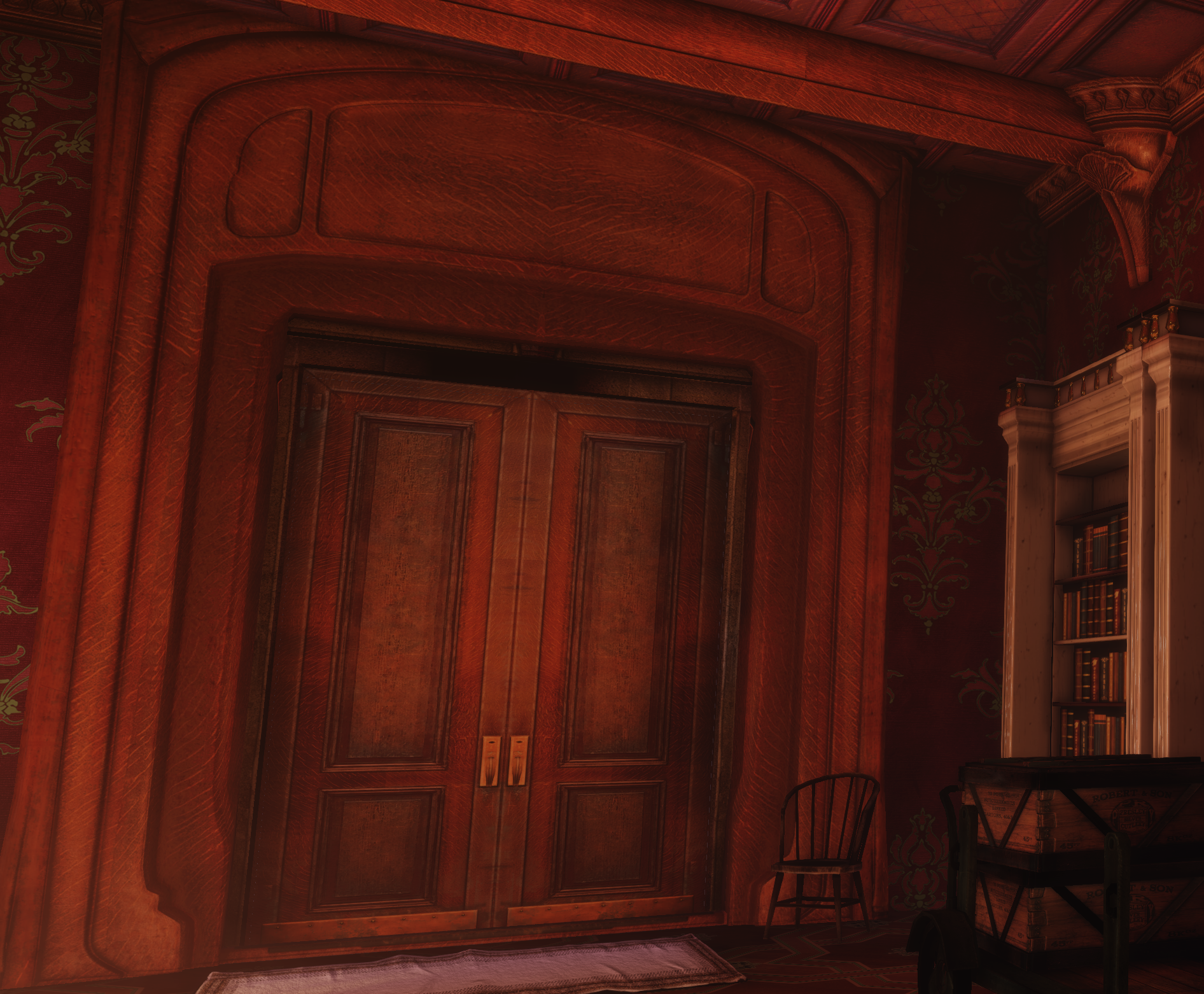
To my surprise there’s no Int_Set_02 etc., and the only other “Int_Set_” collection is called NrsyInt_Set_01, which is very clearly something produced after the change in art style (so we’ll be skipping that).
Below is a gallery of each model individually just to give you a better look (mind these are without the specular and normal map).
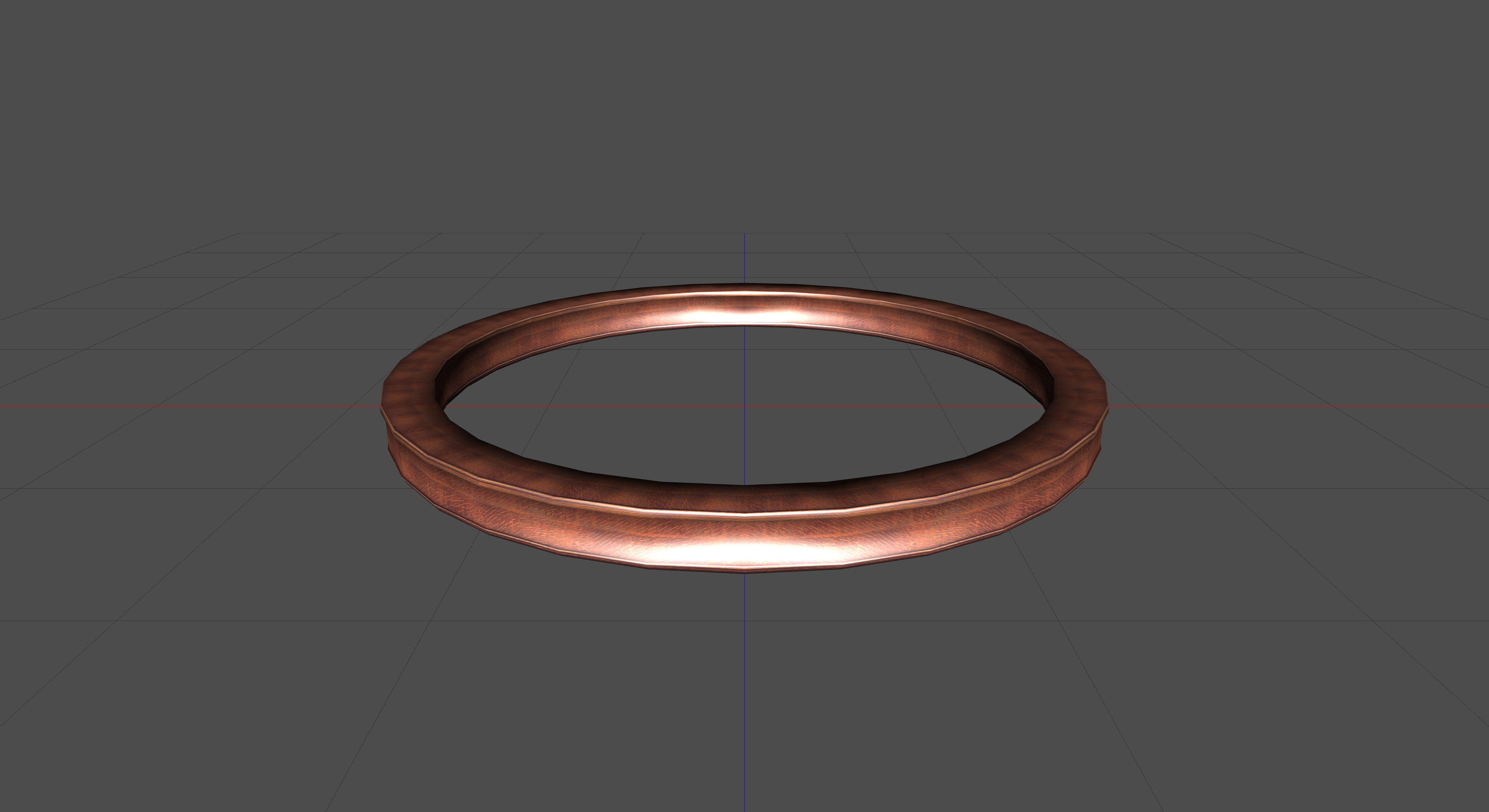
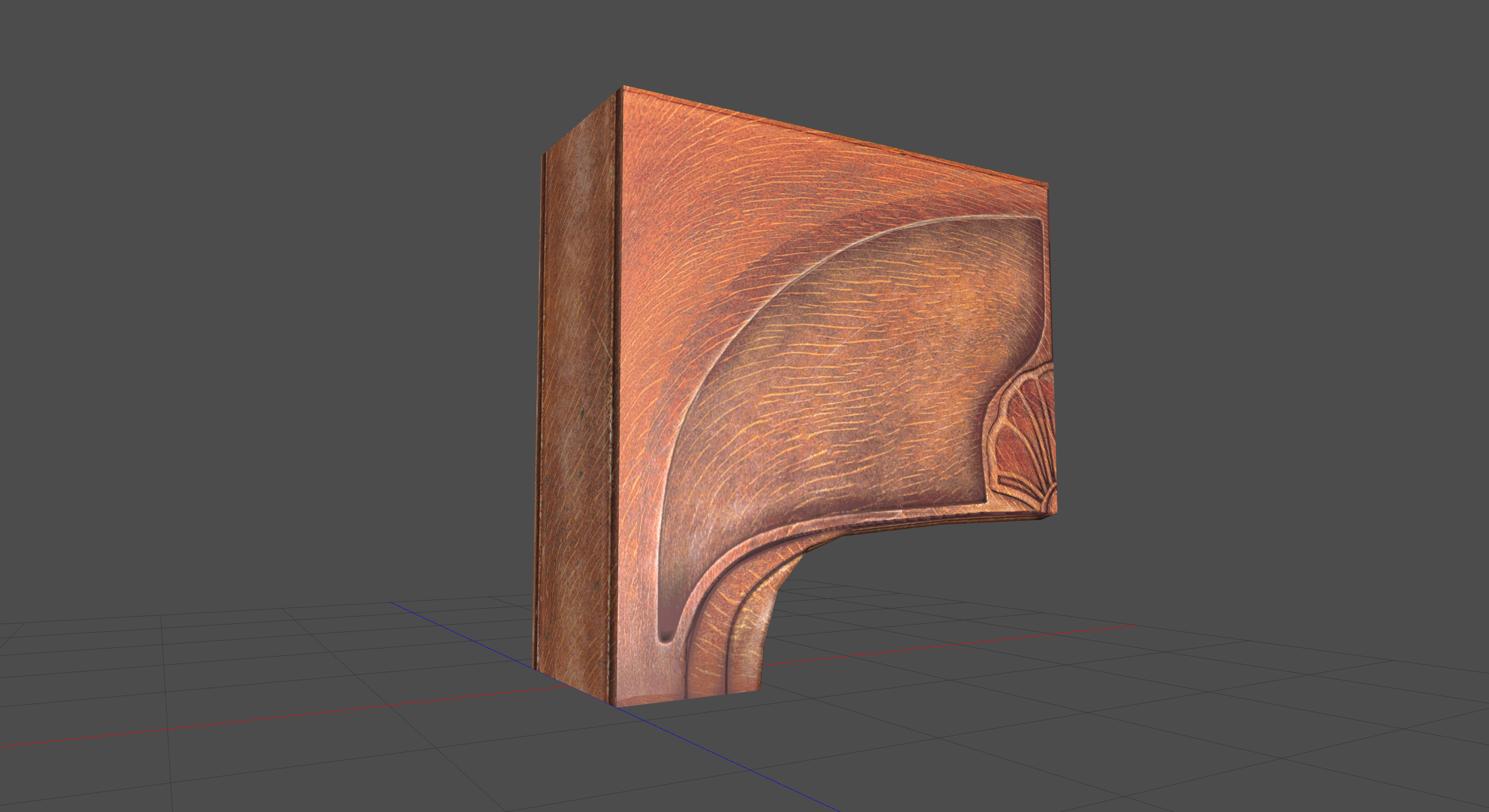
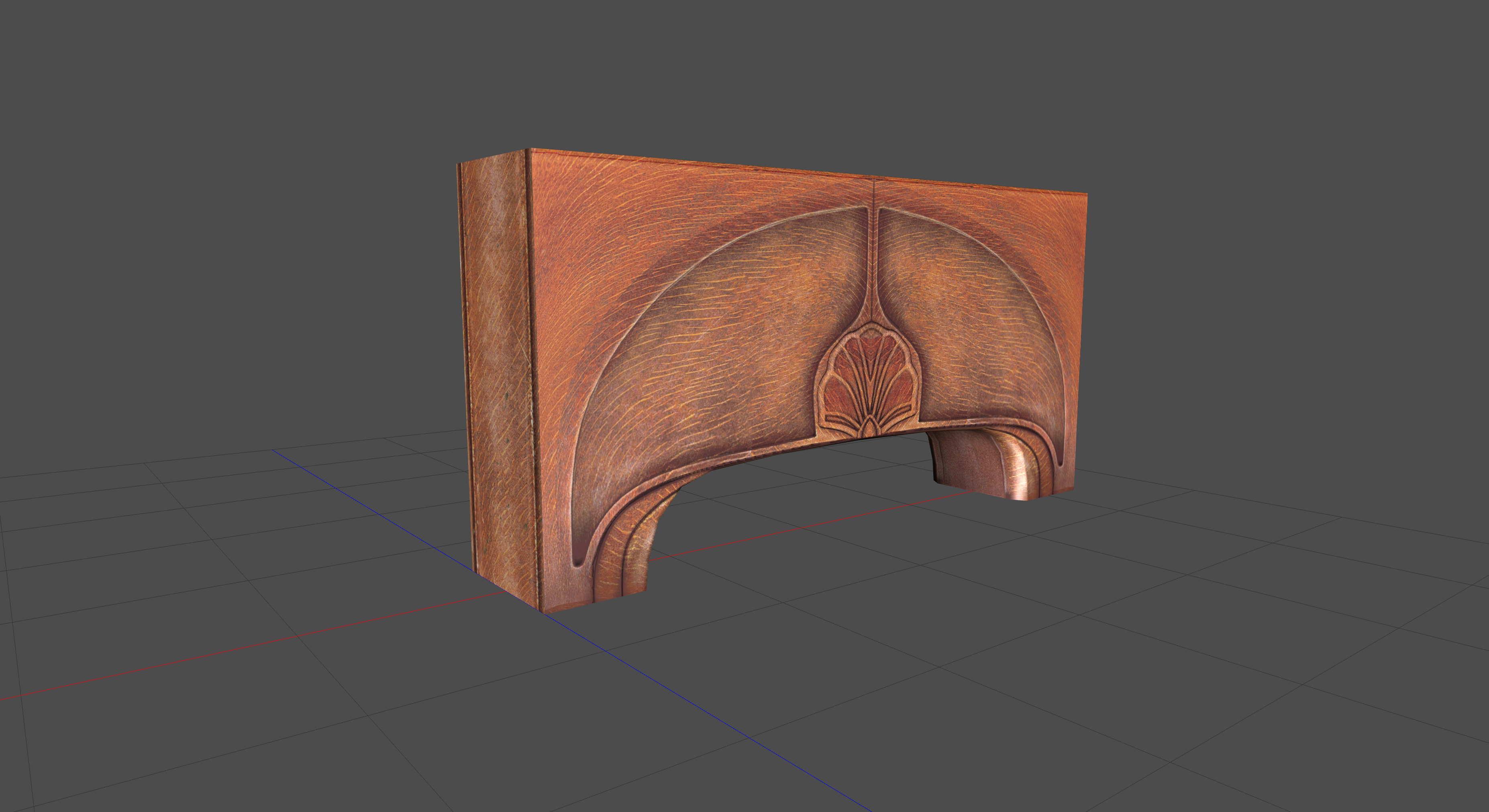
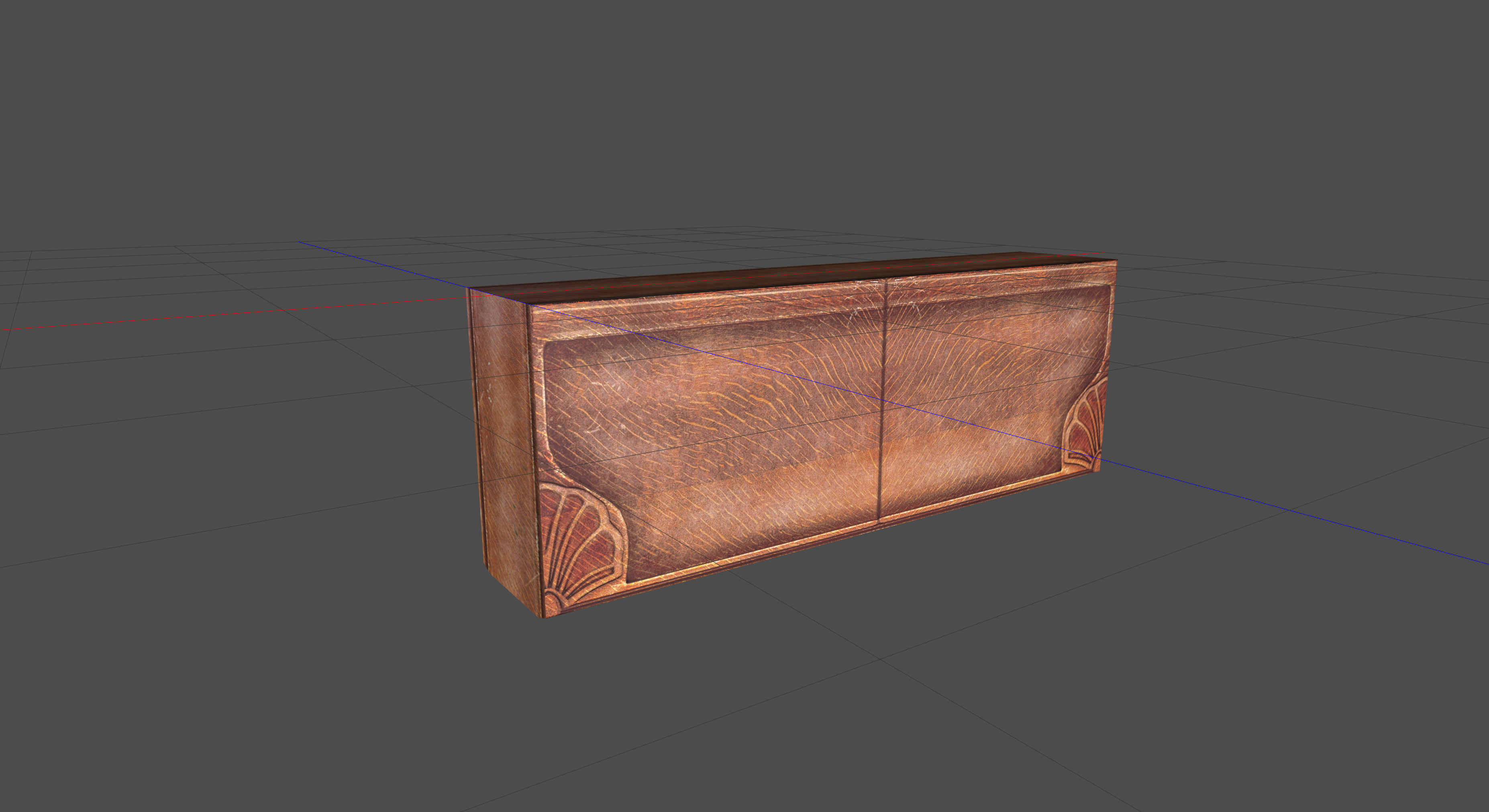
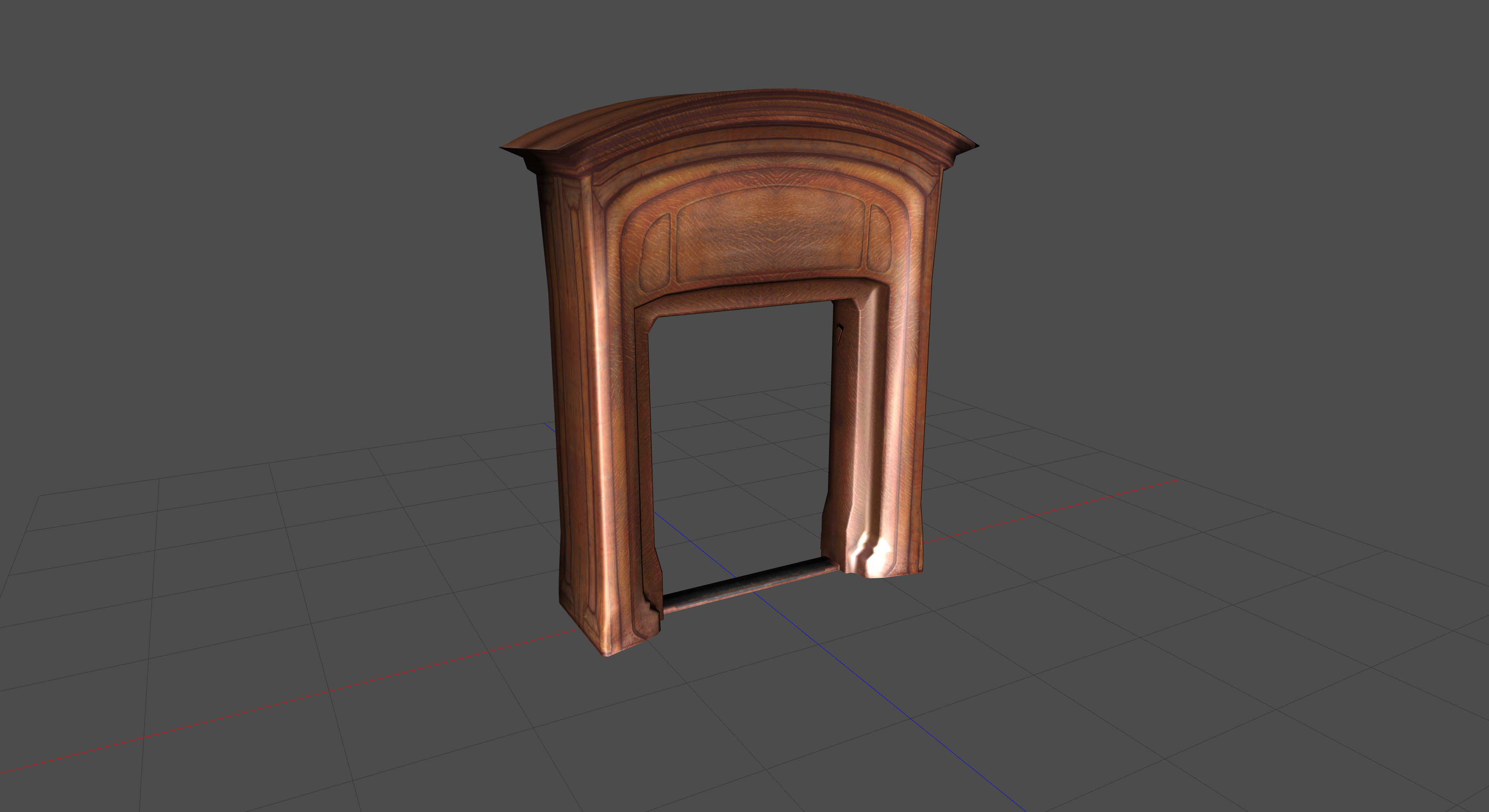
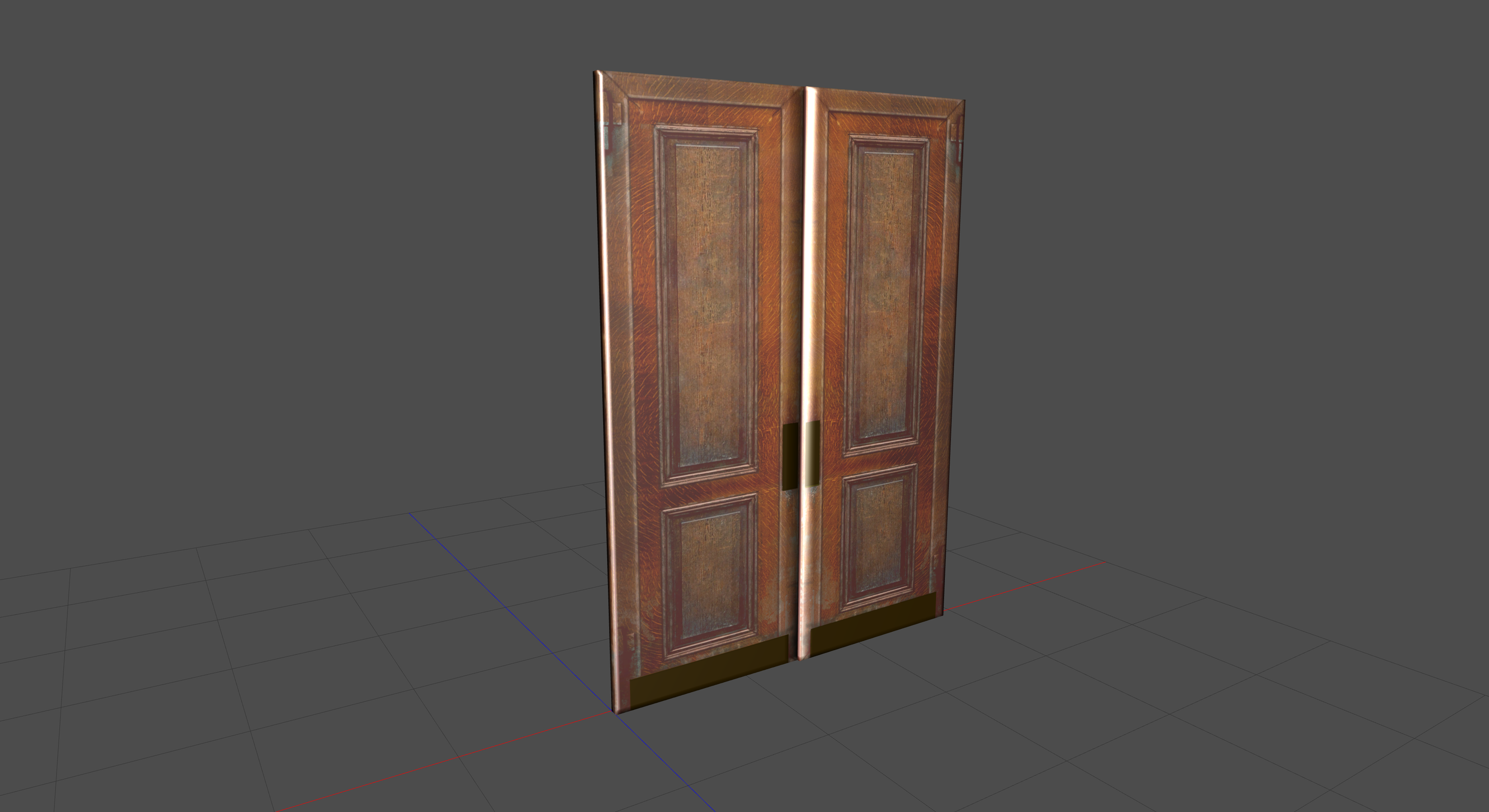
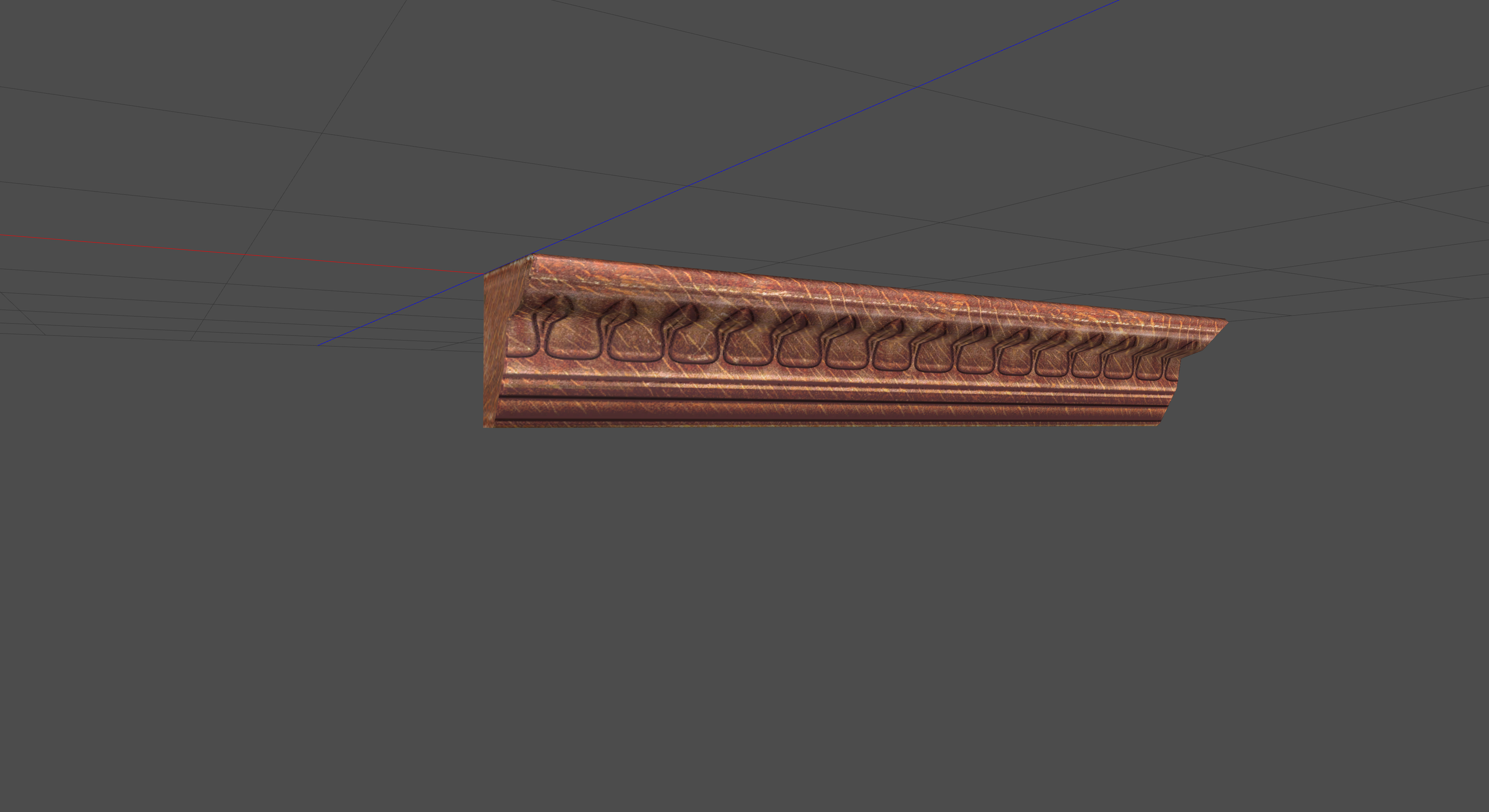
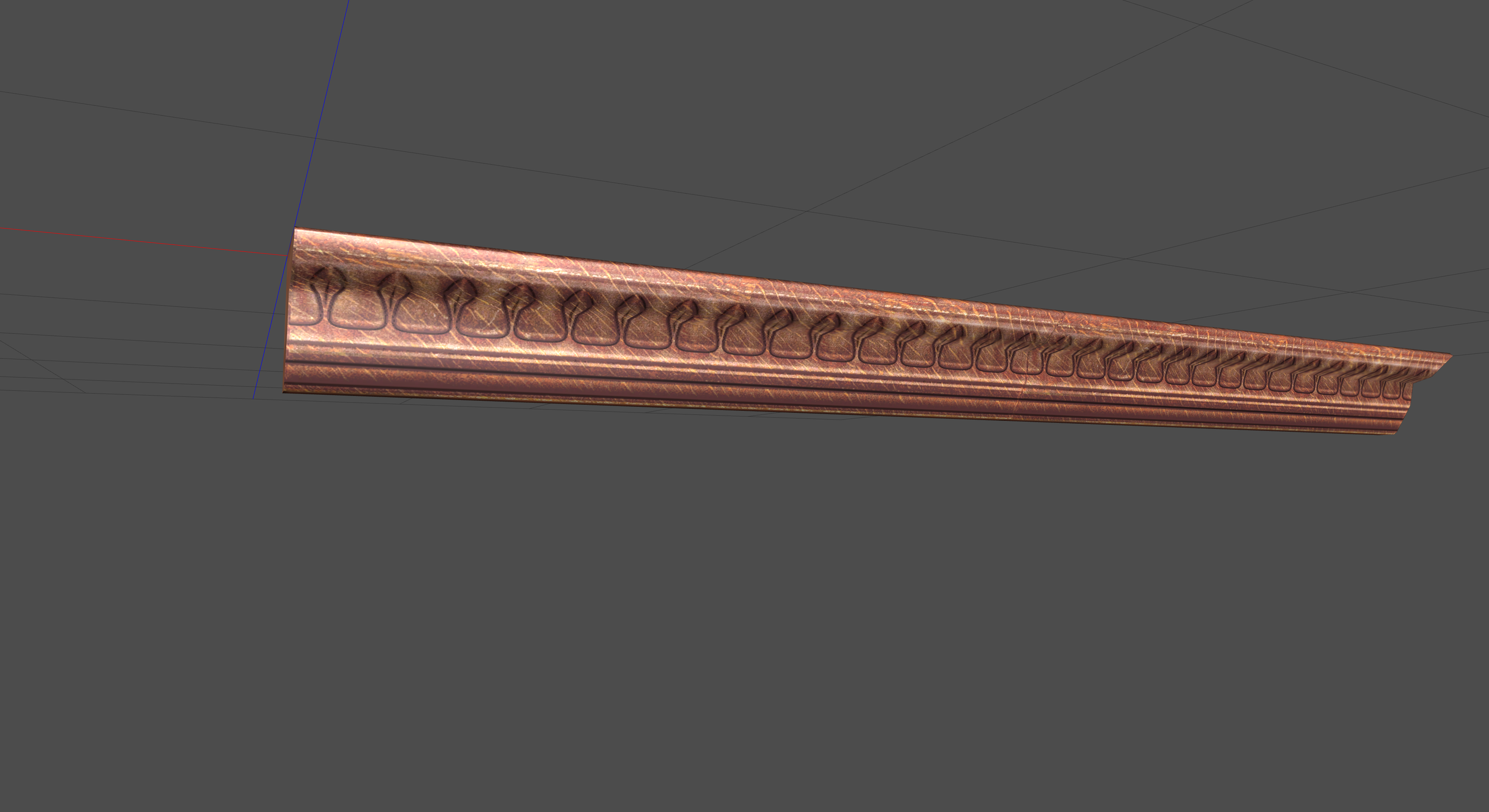
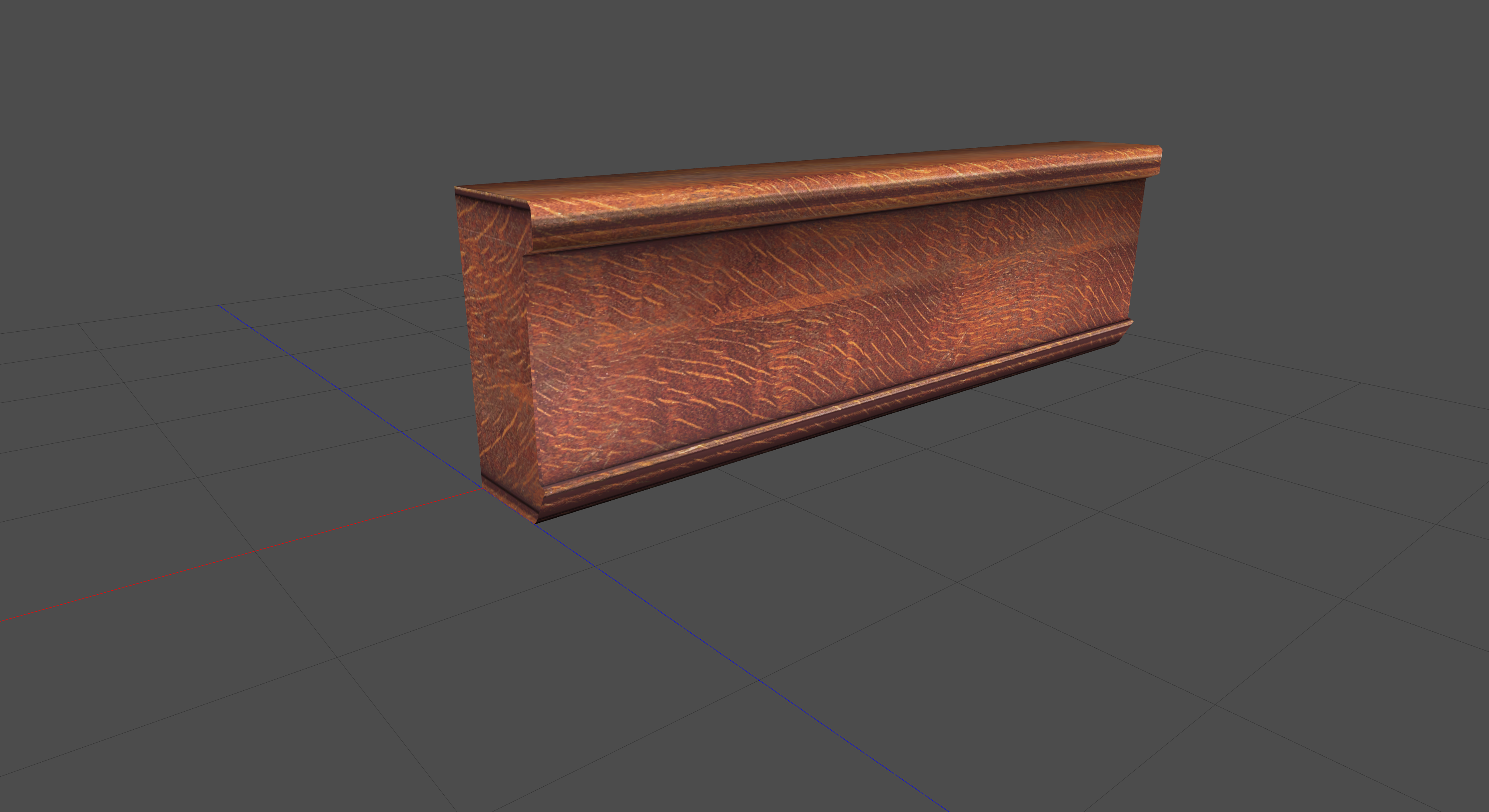
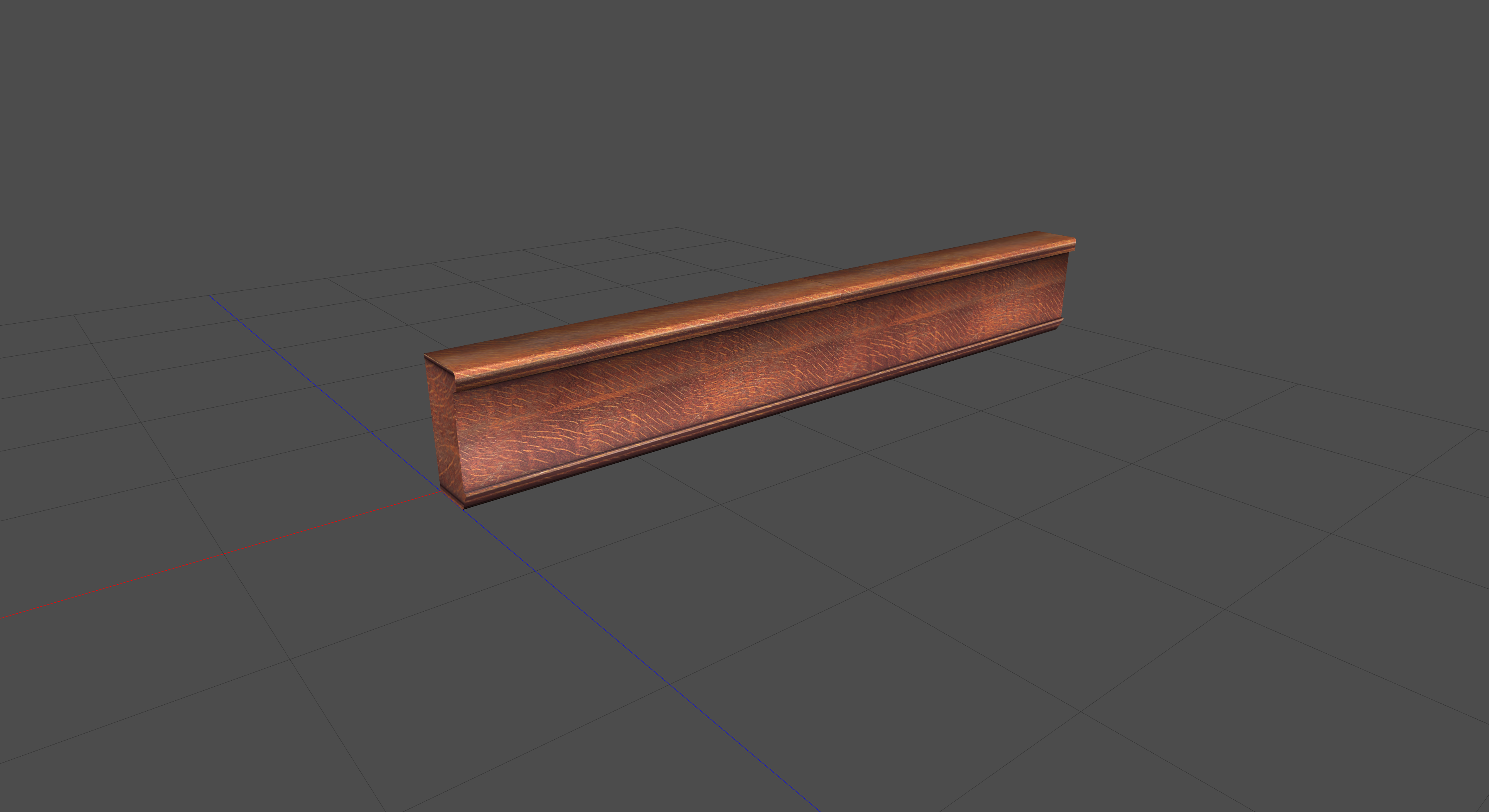
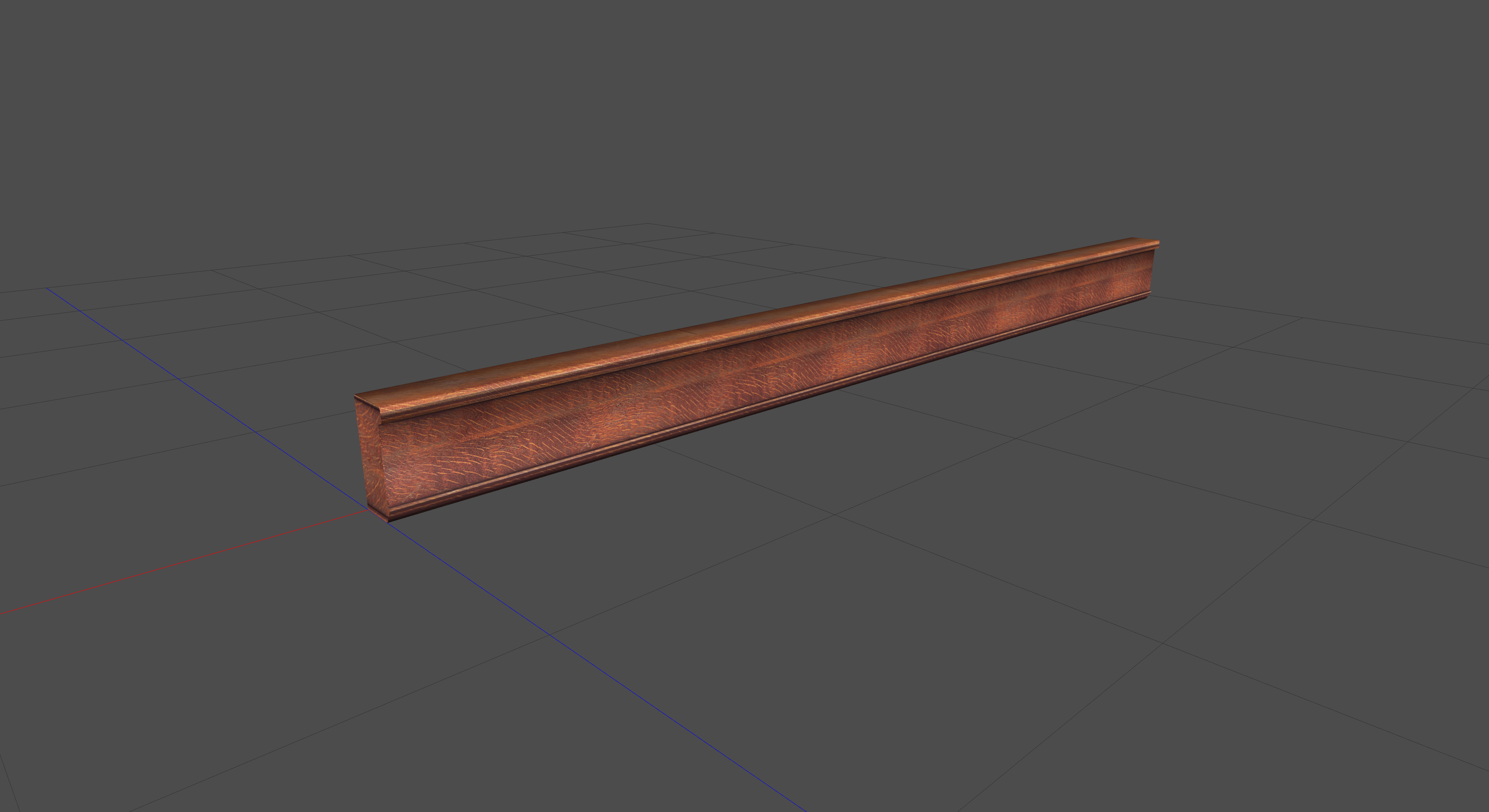
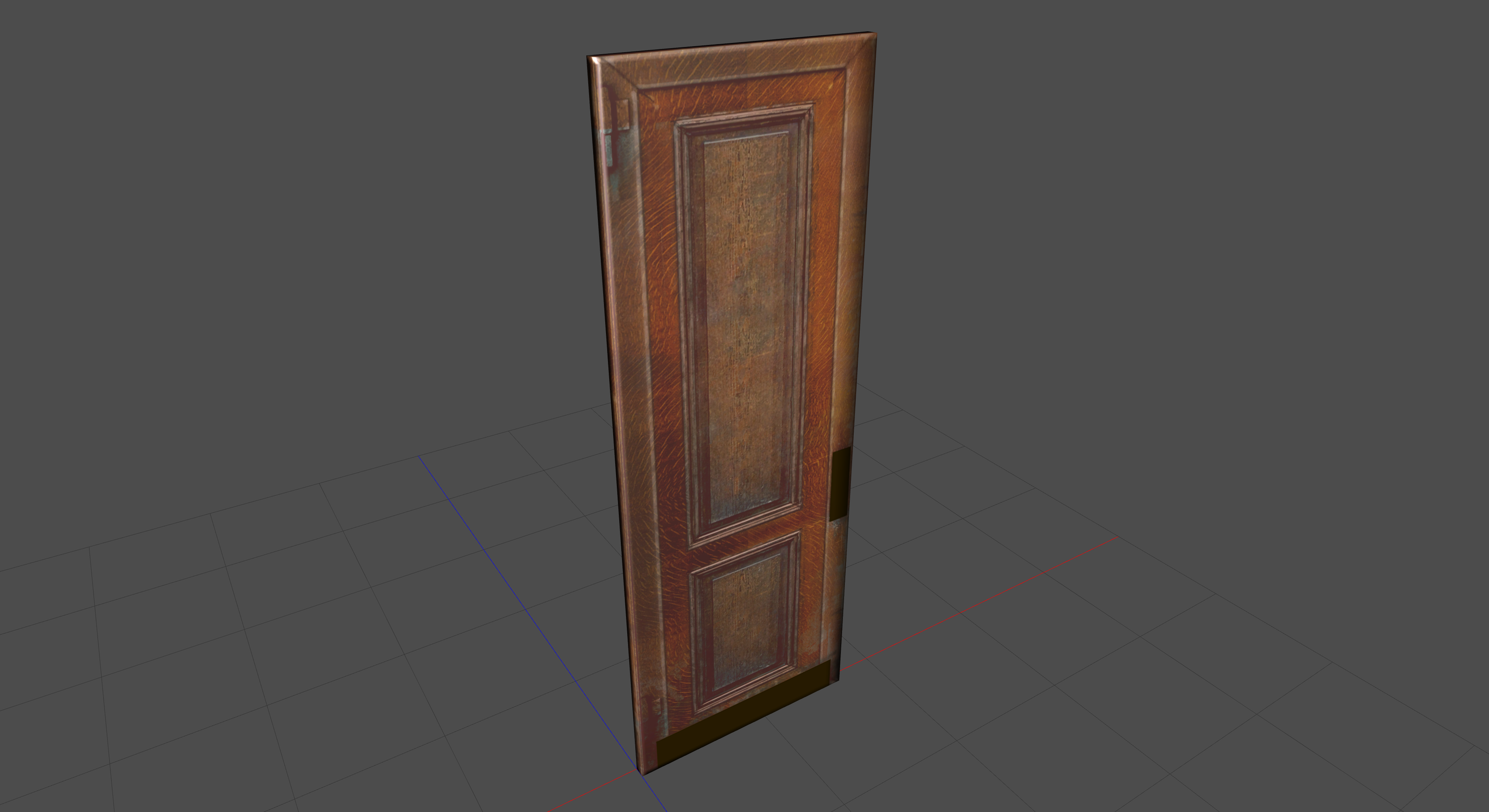
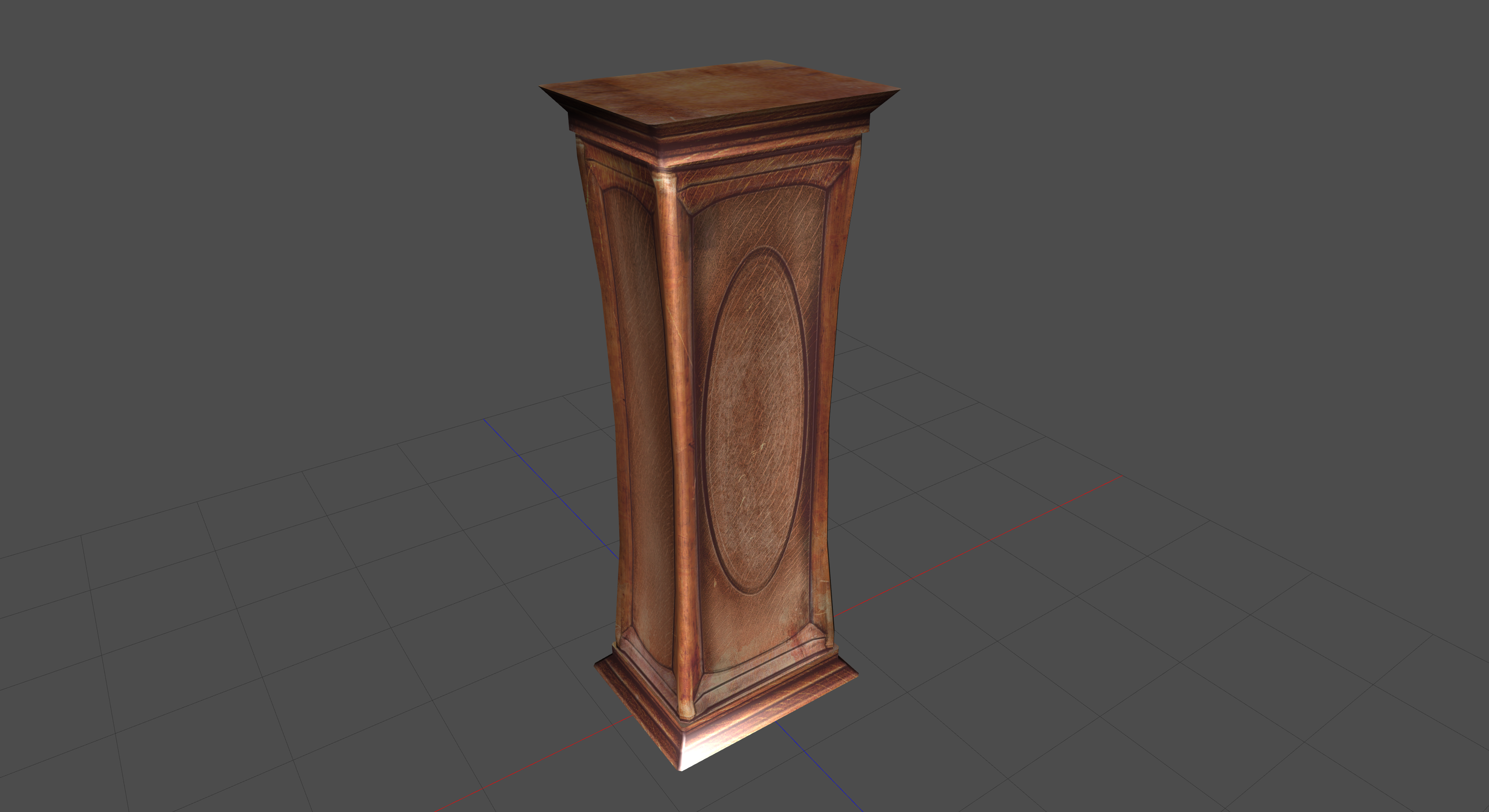
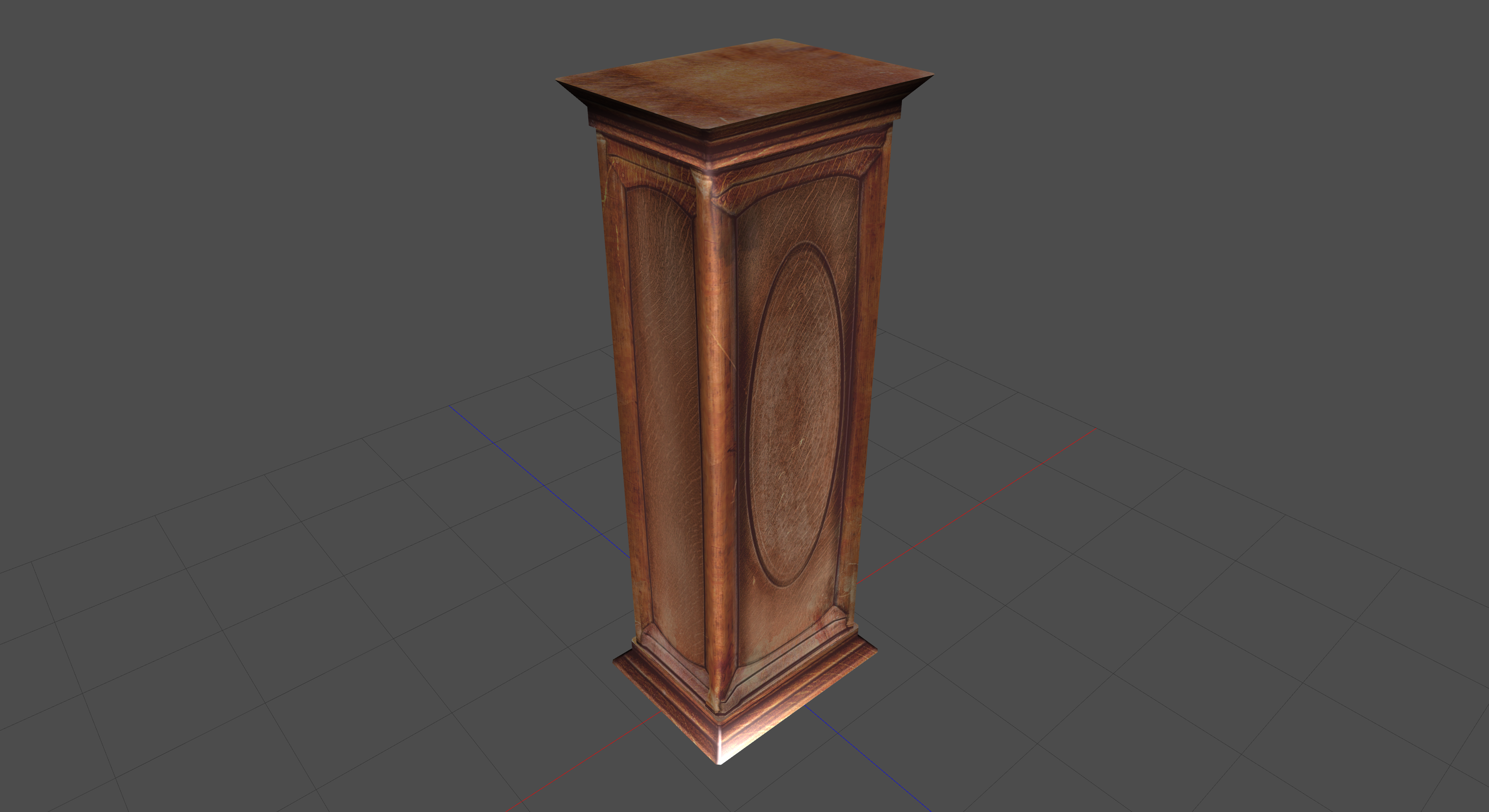
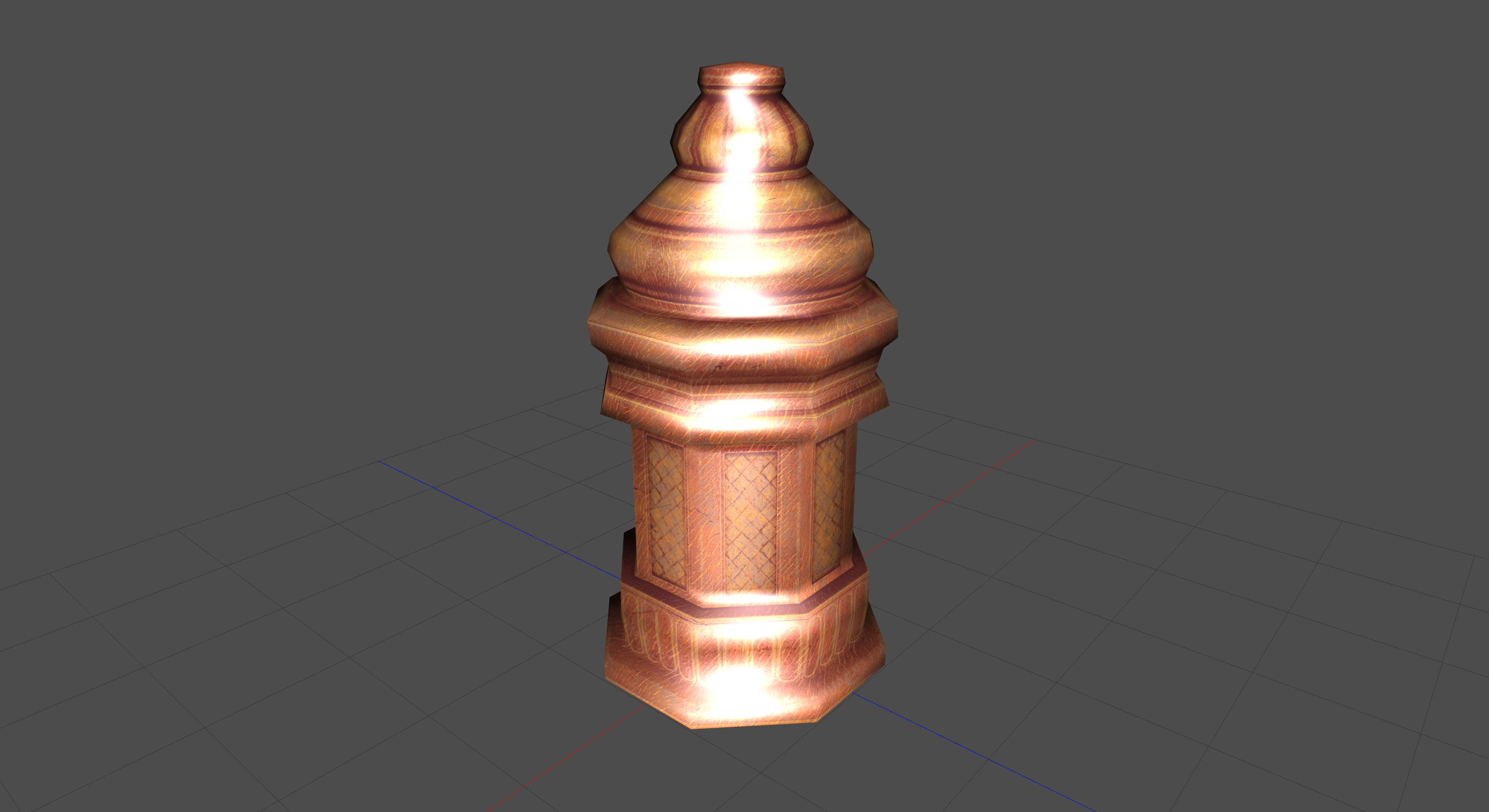
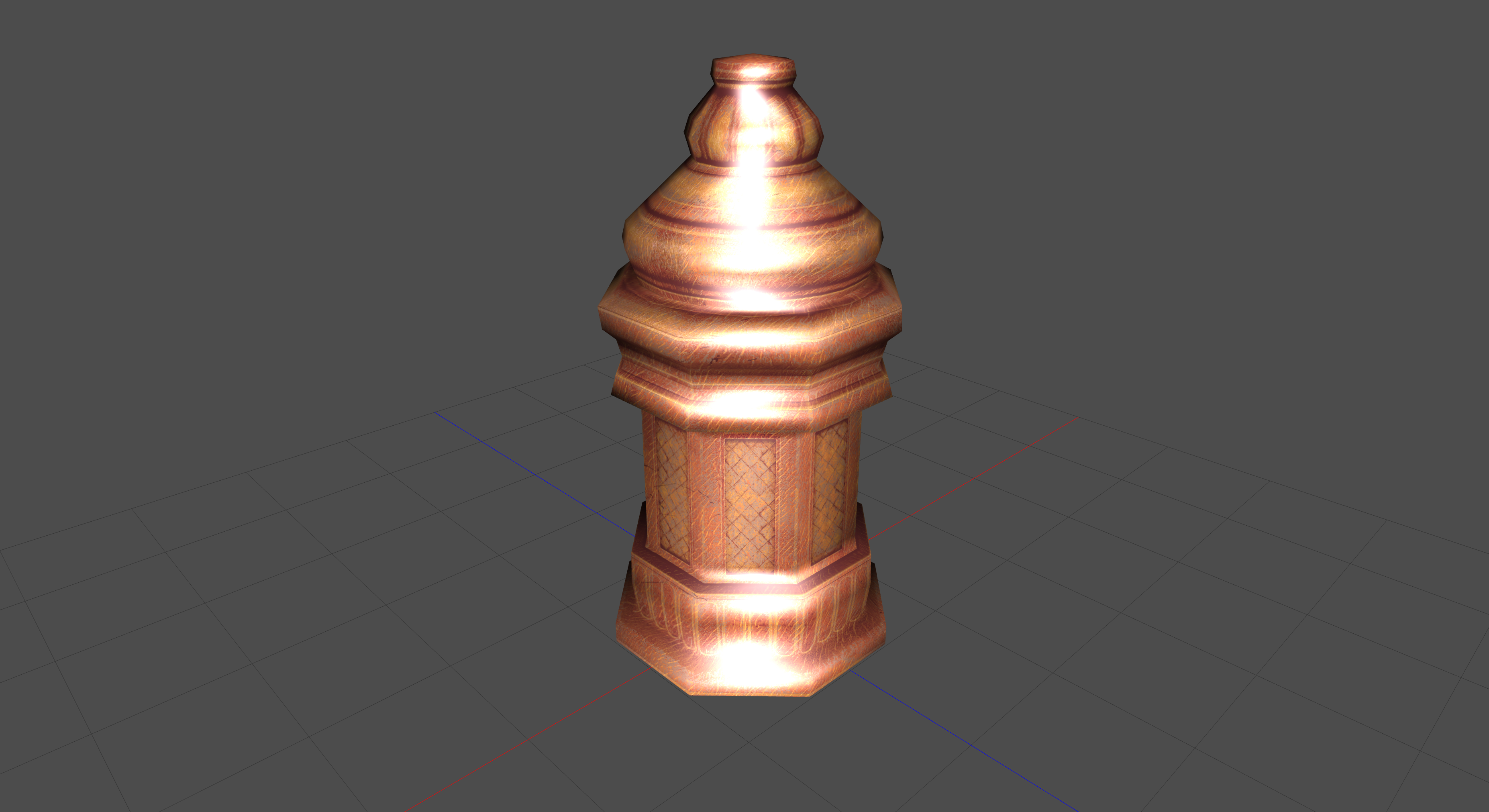
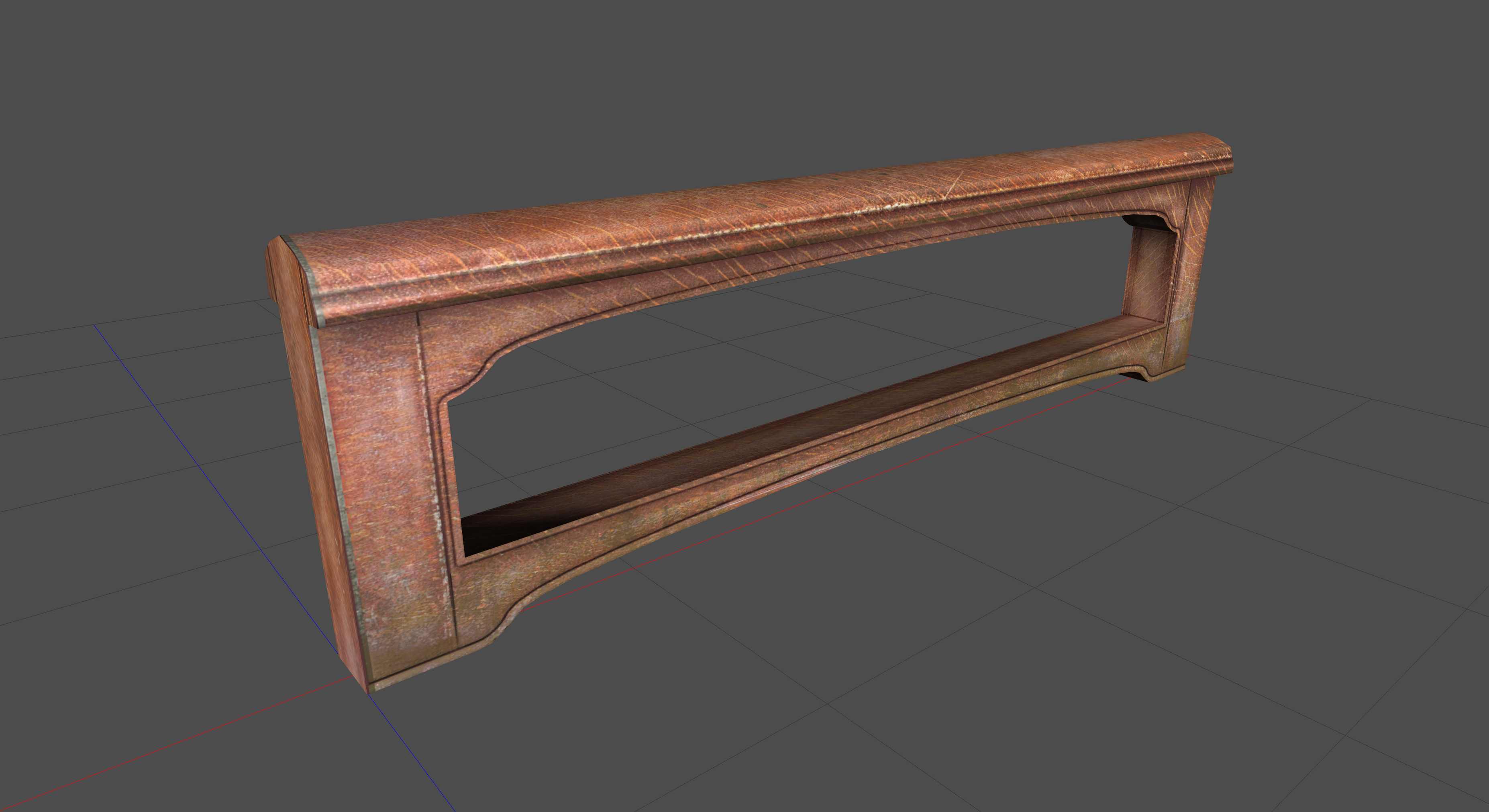
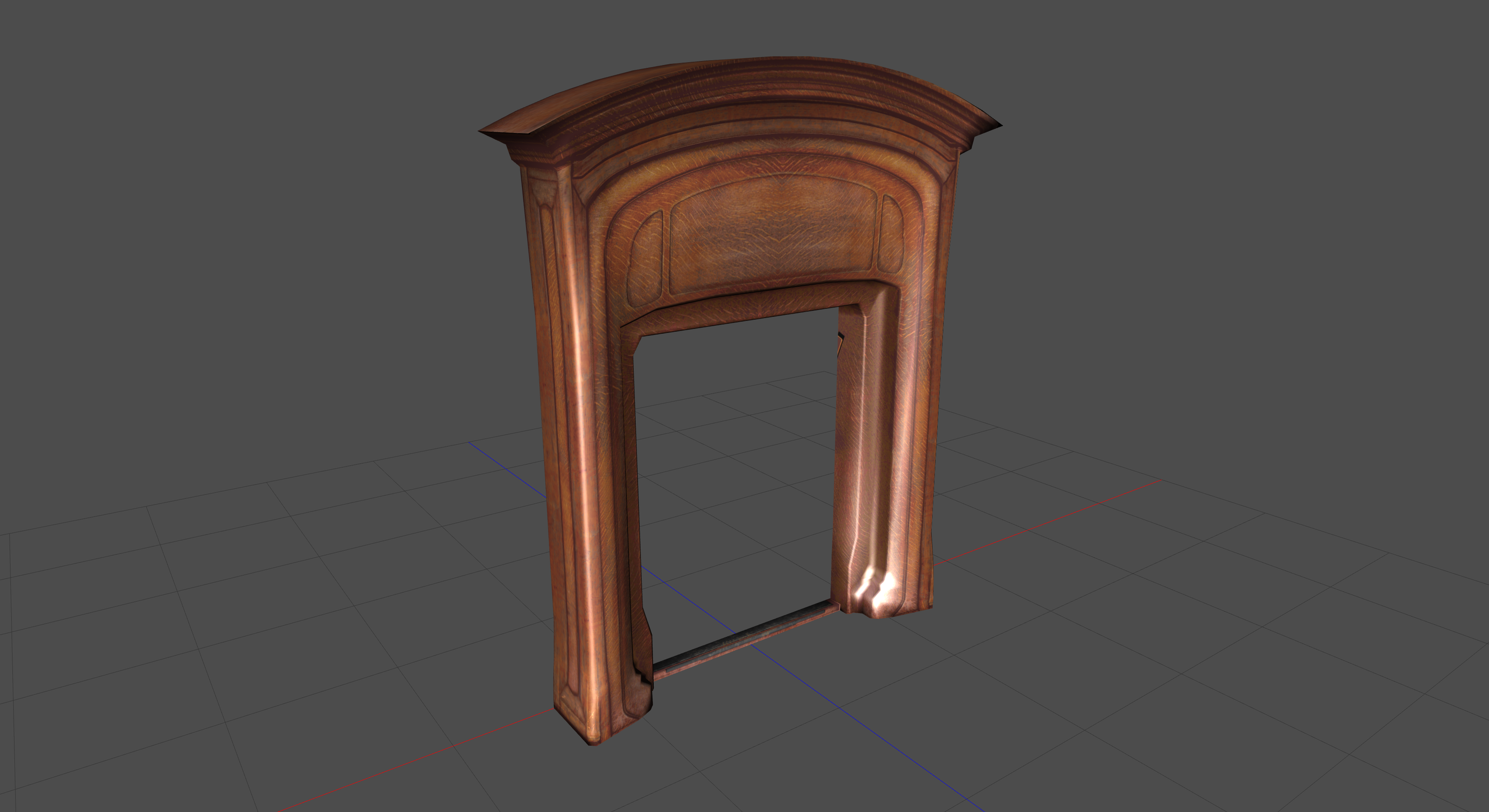
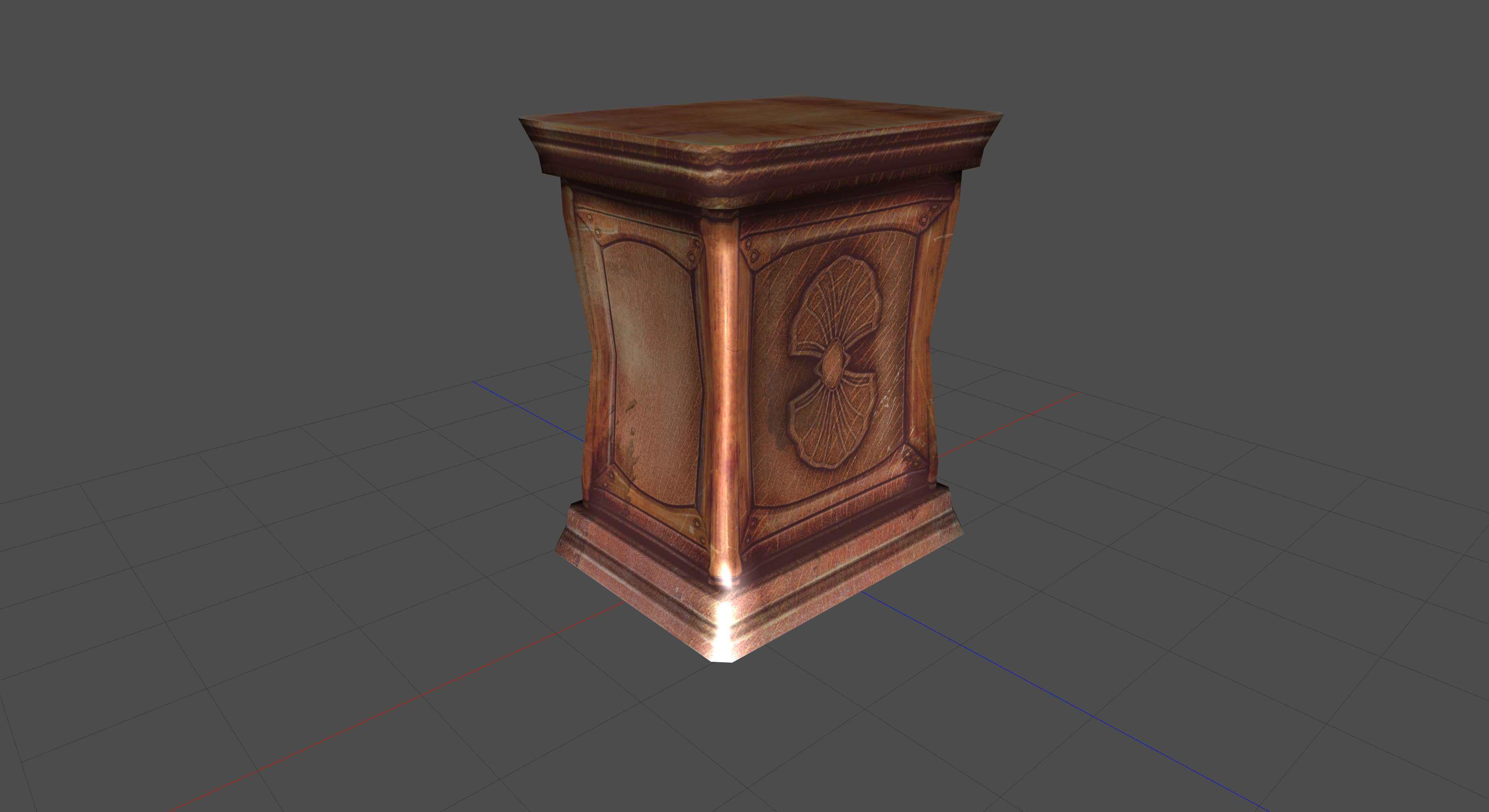
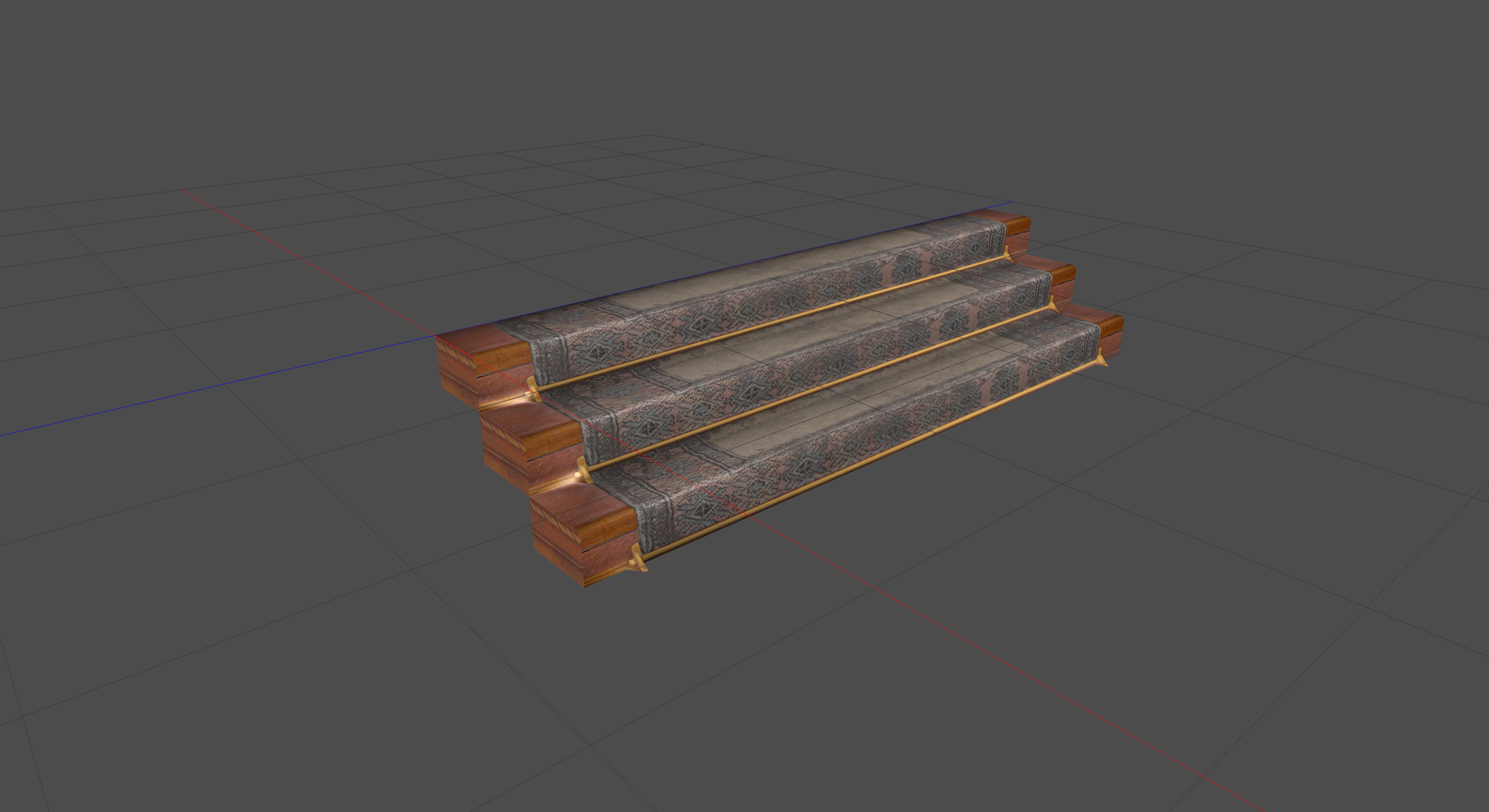
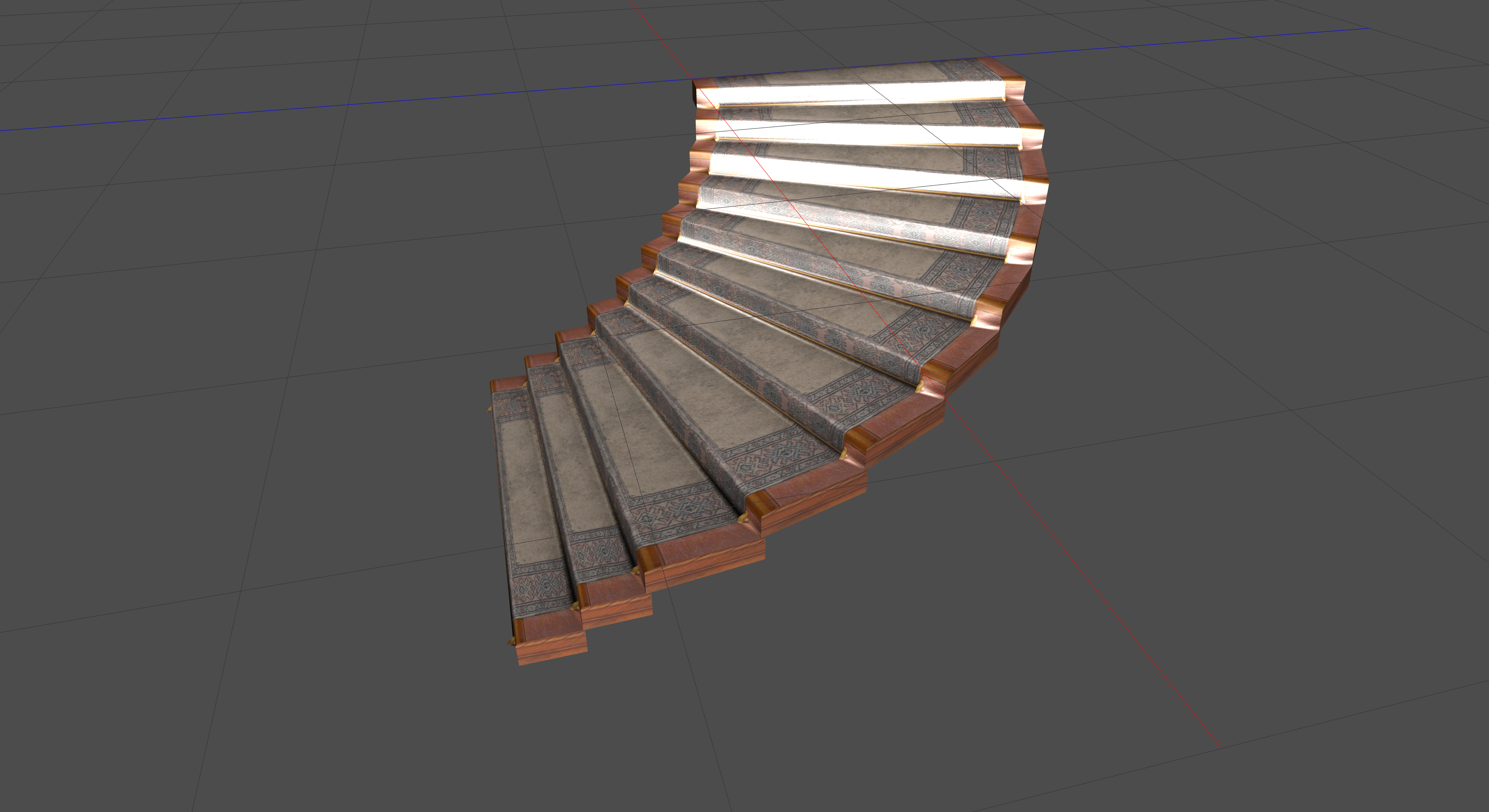
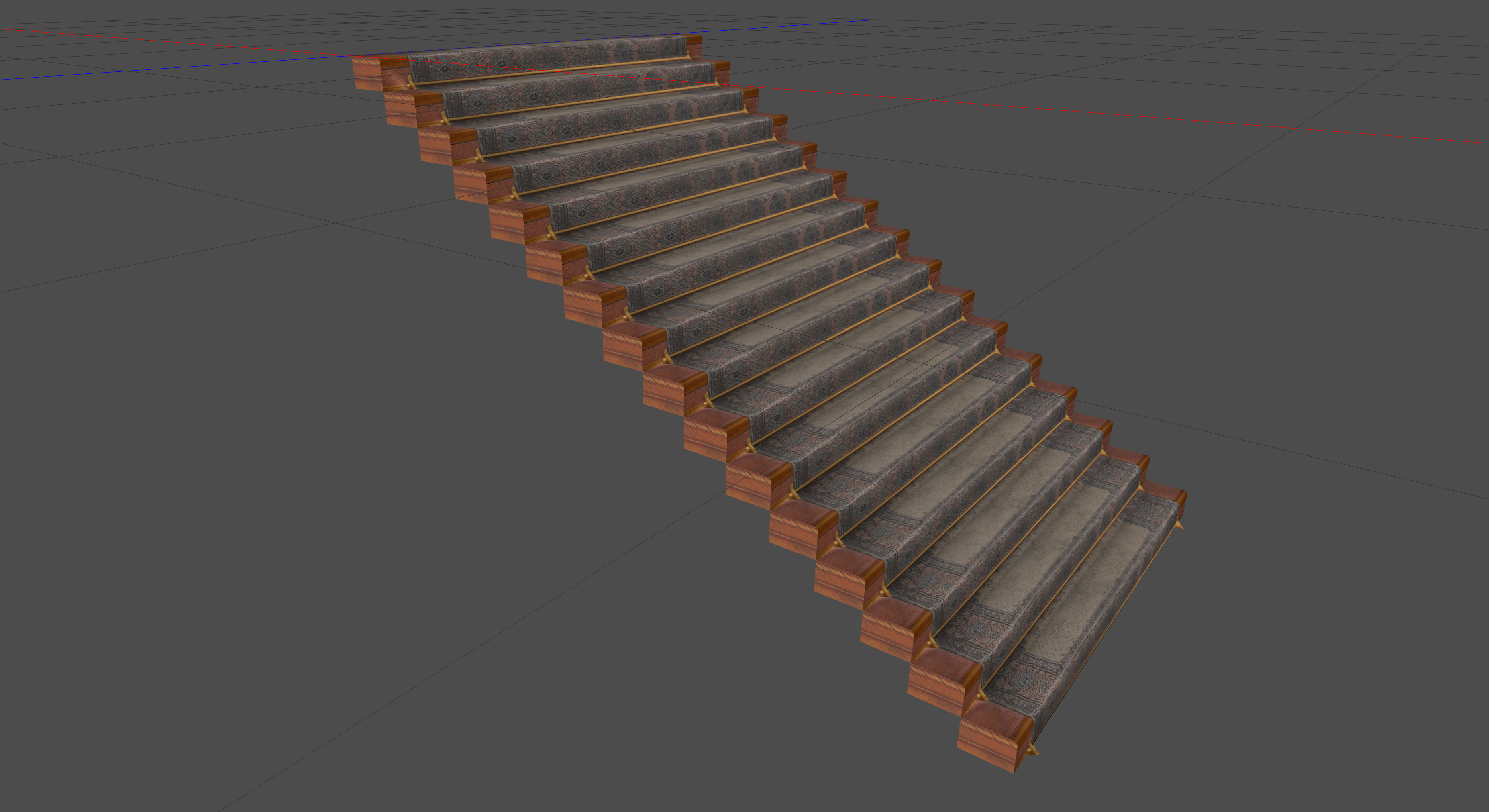
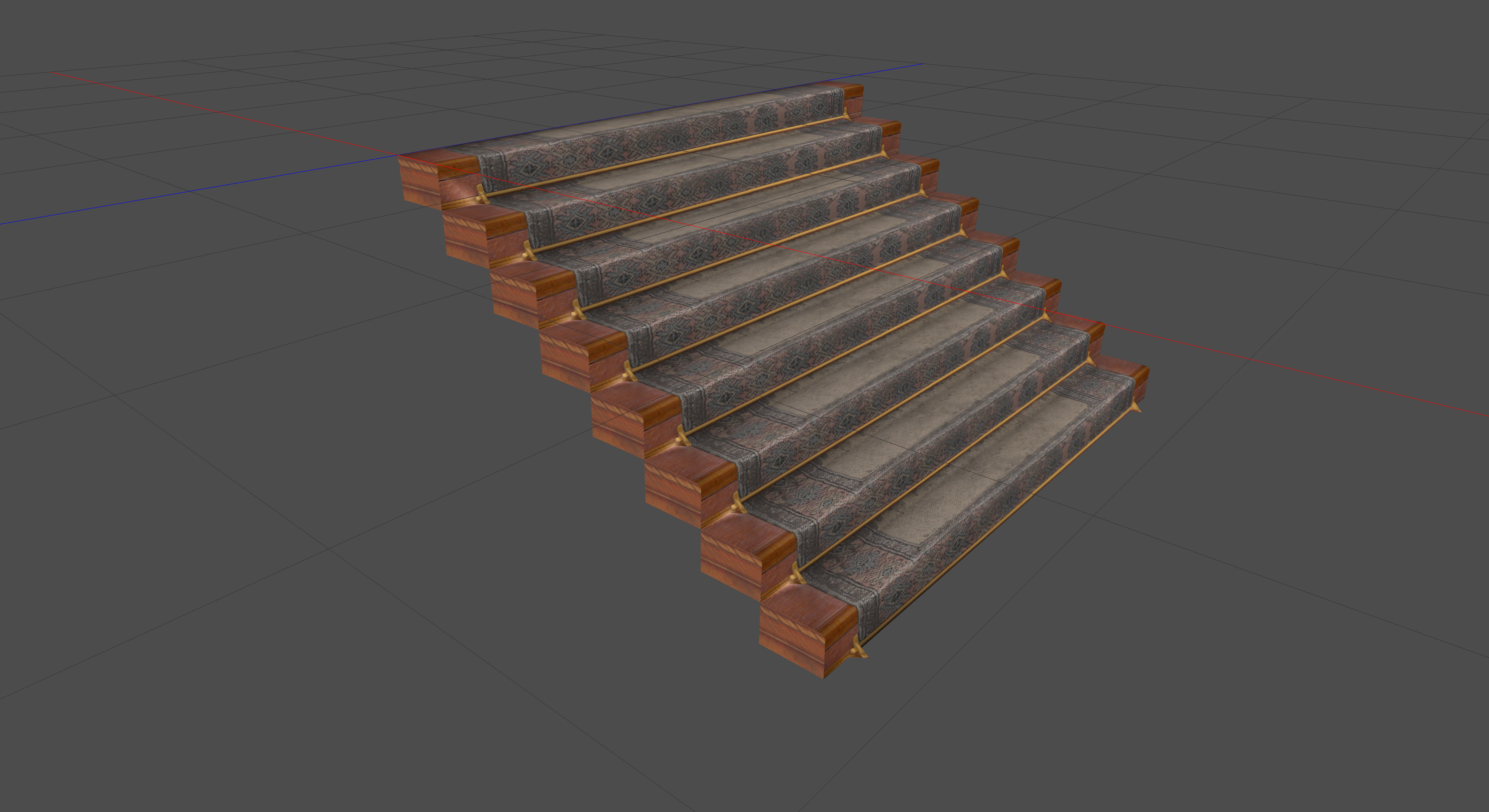
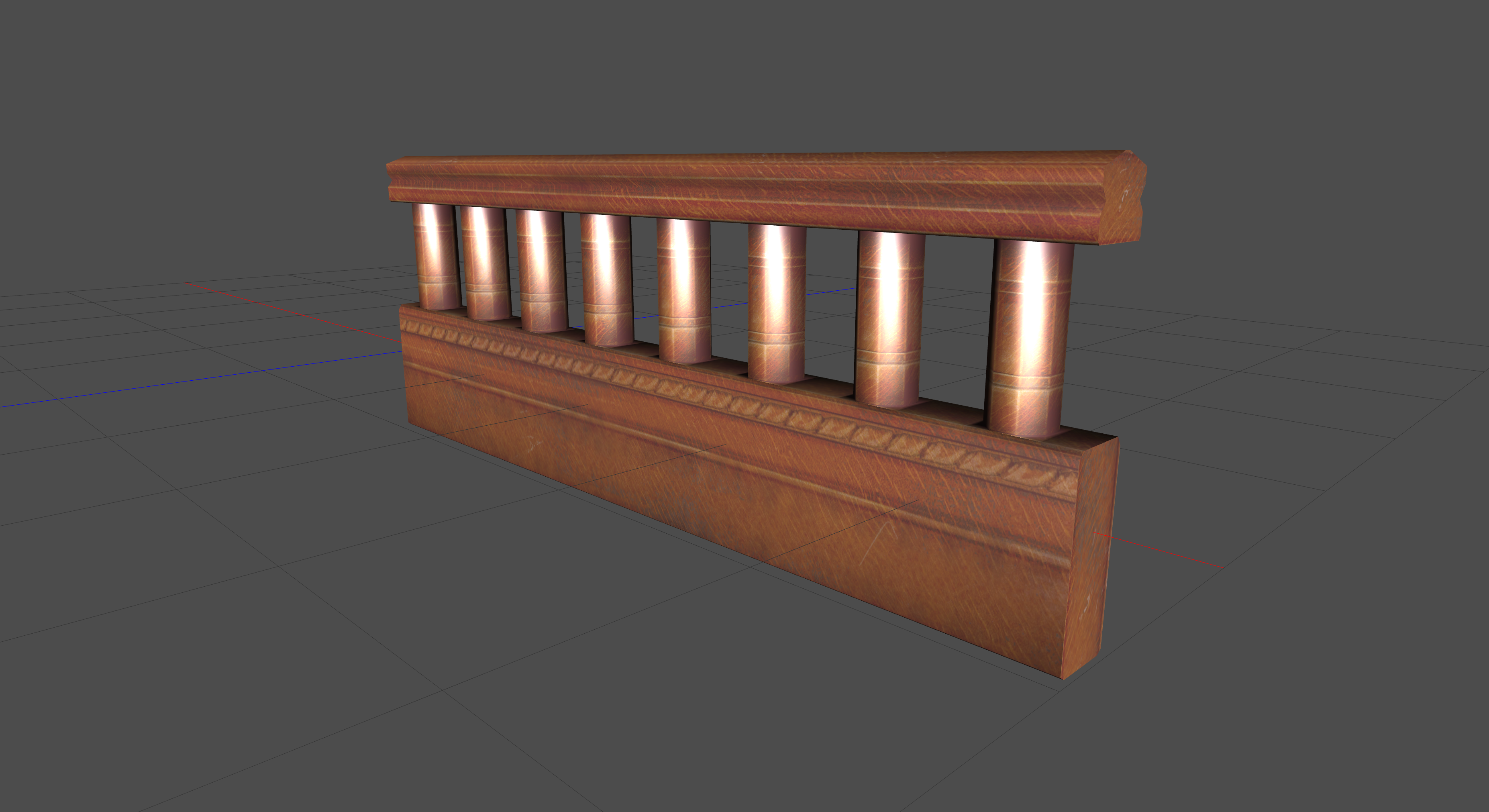
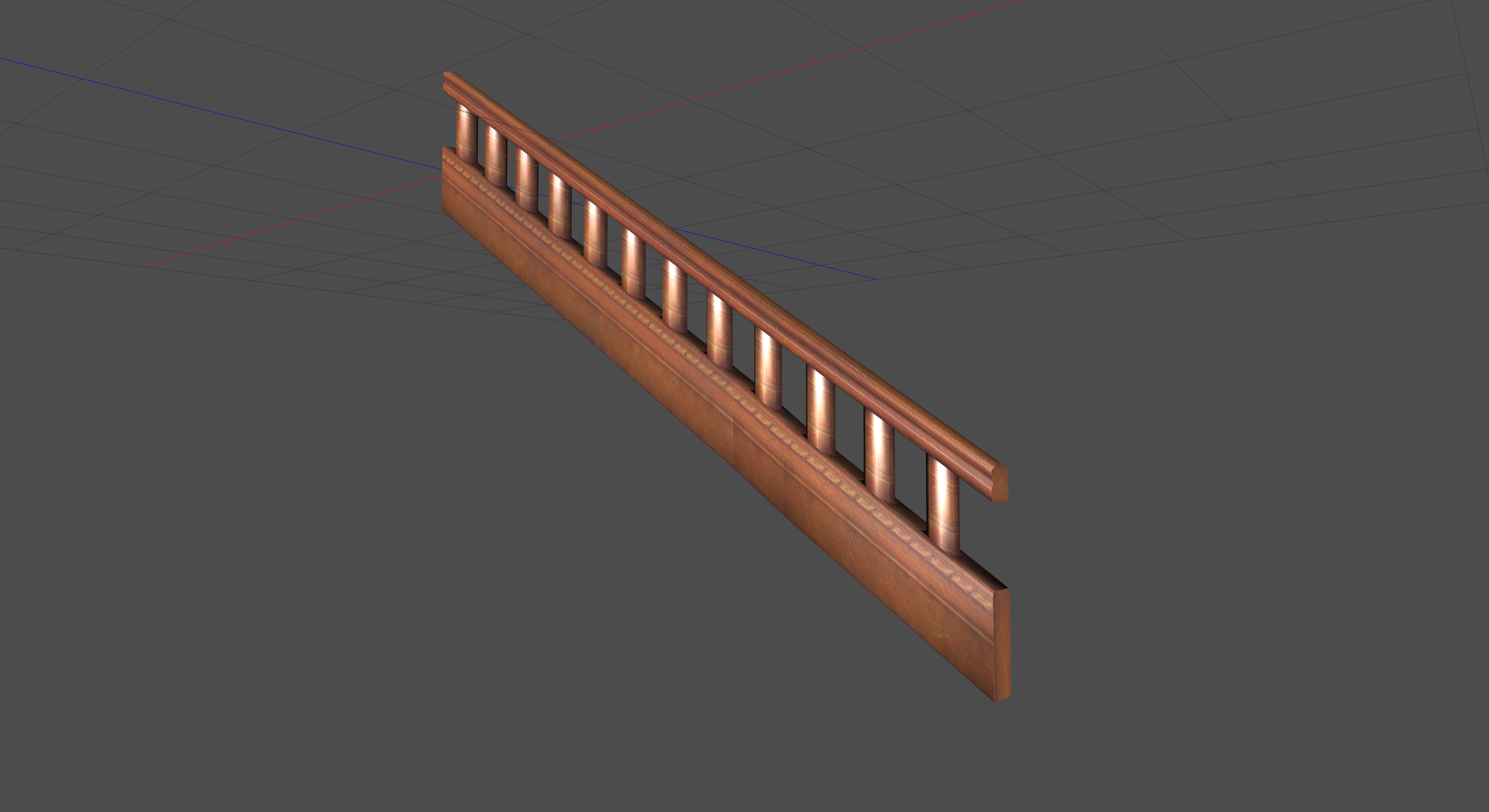
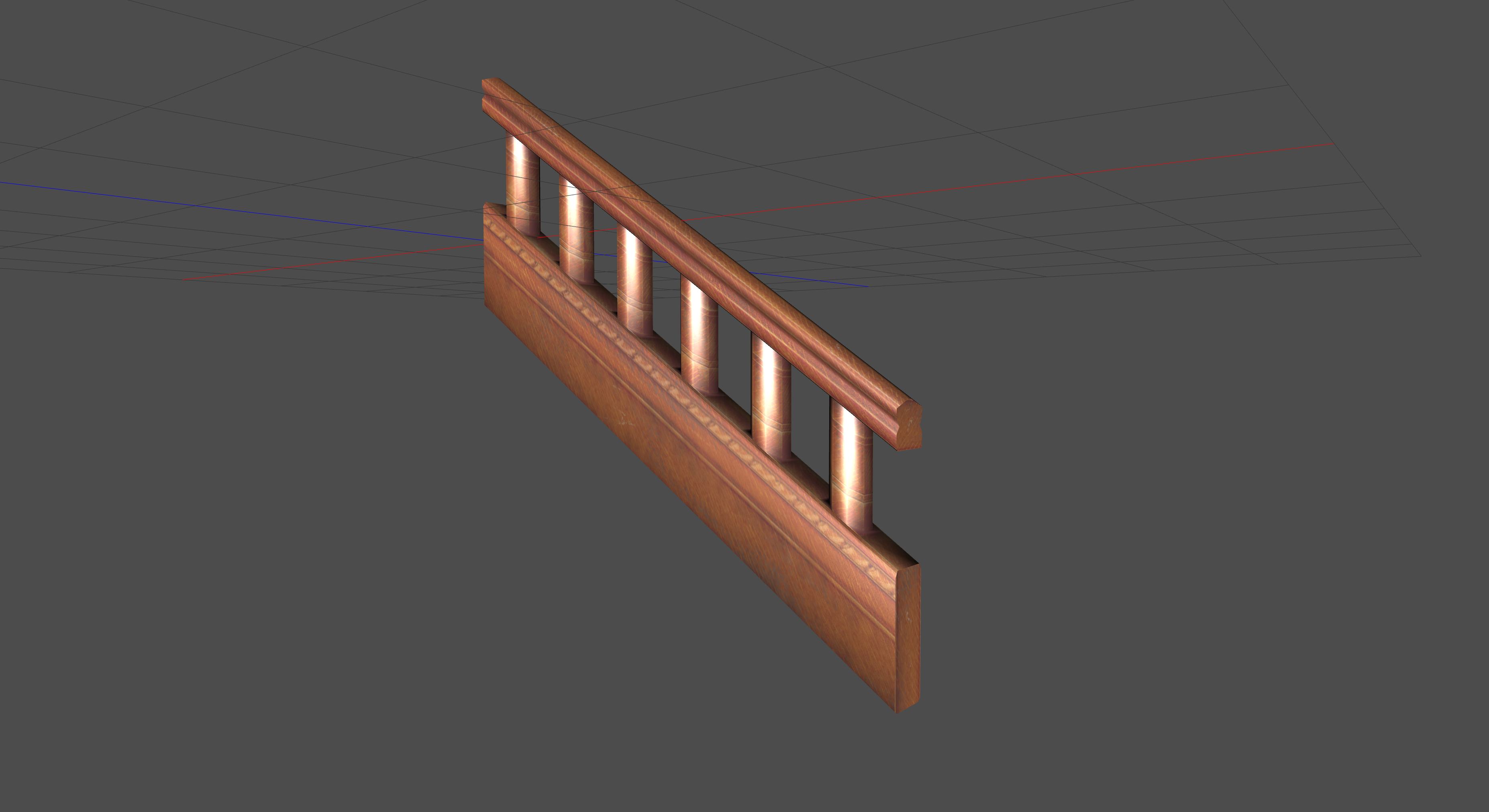
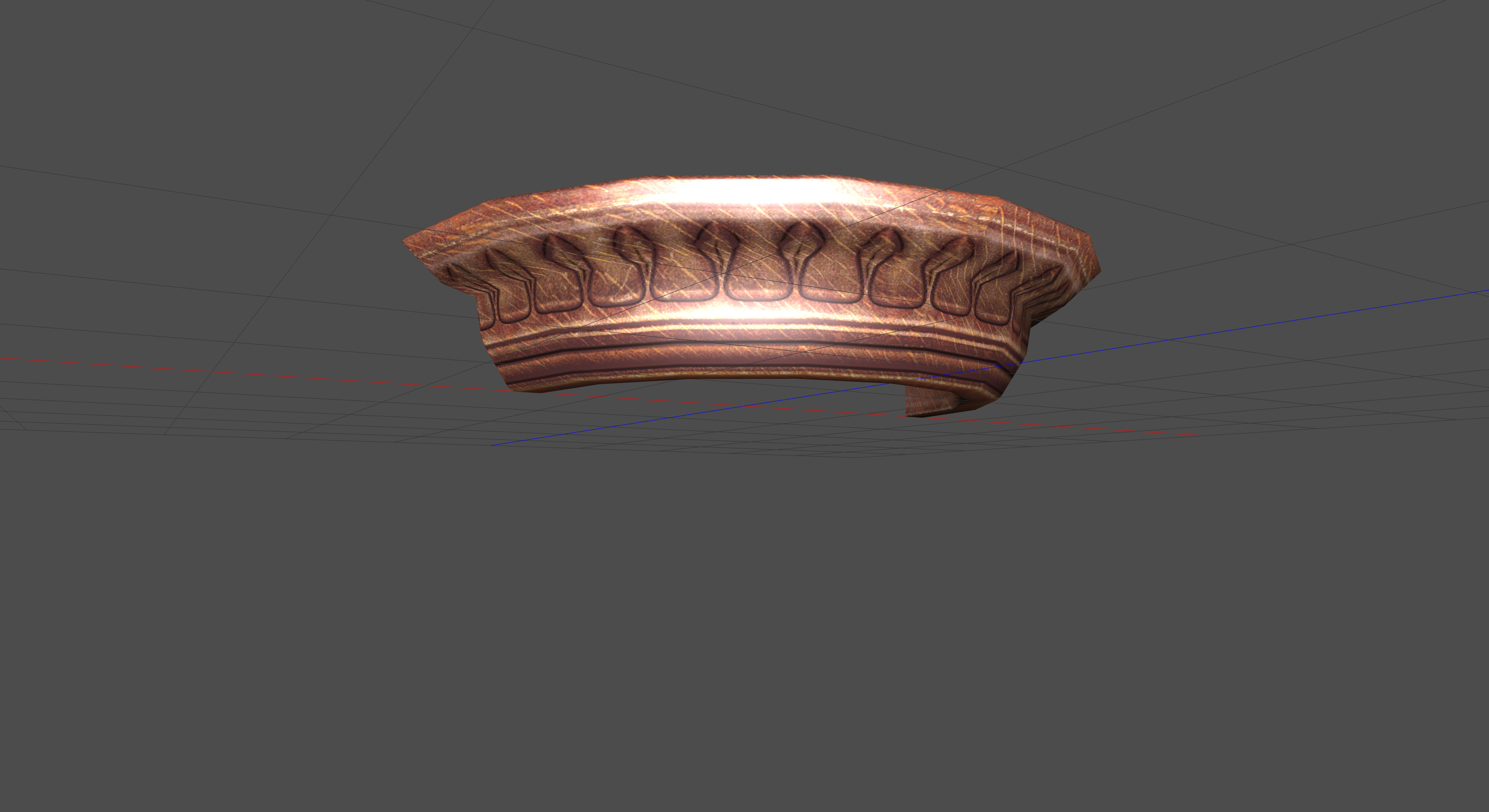
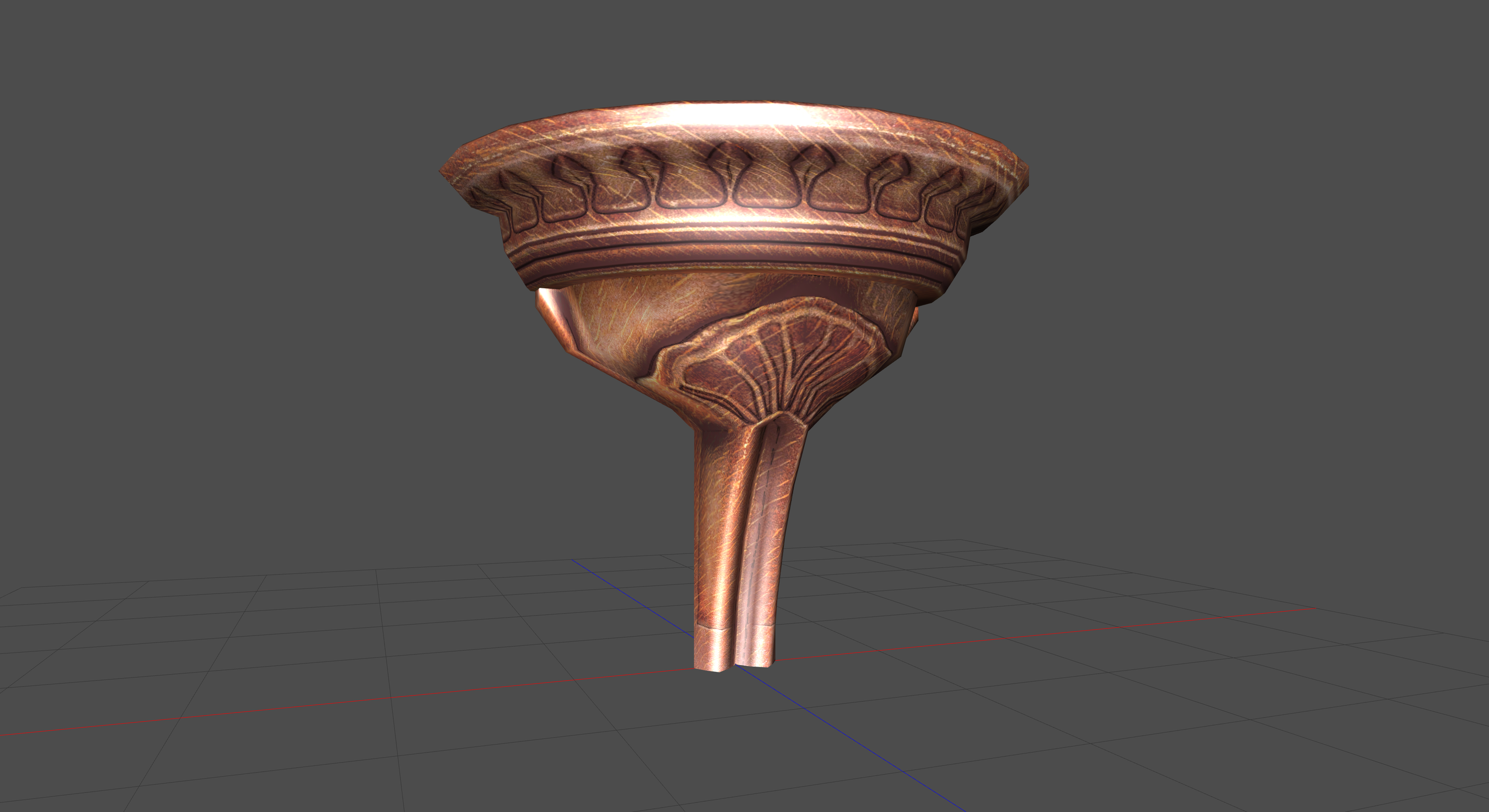
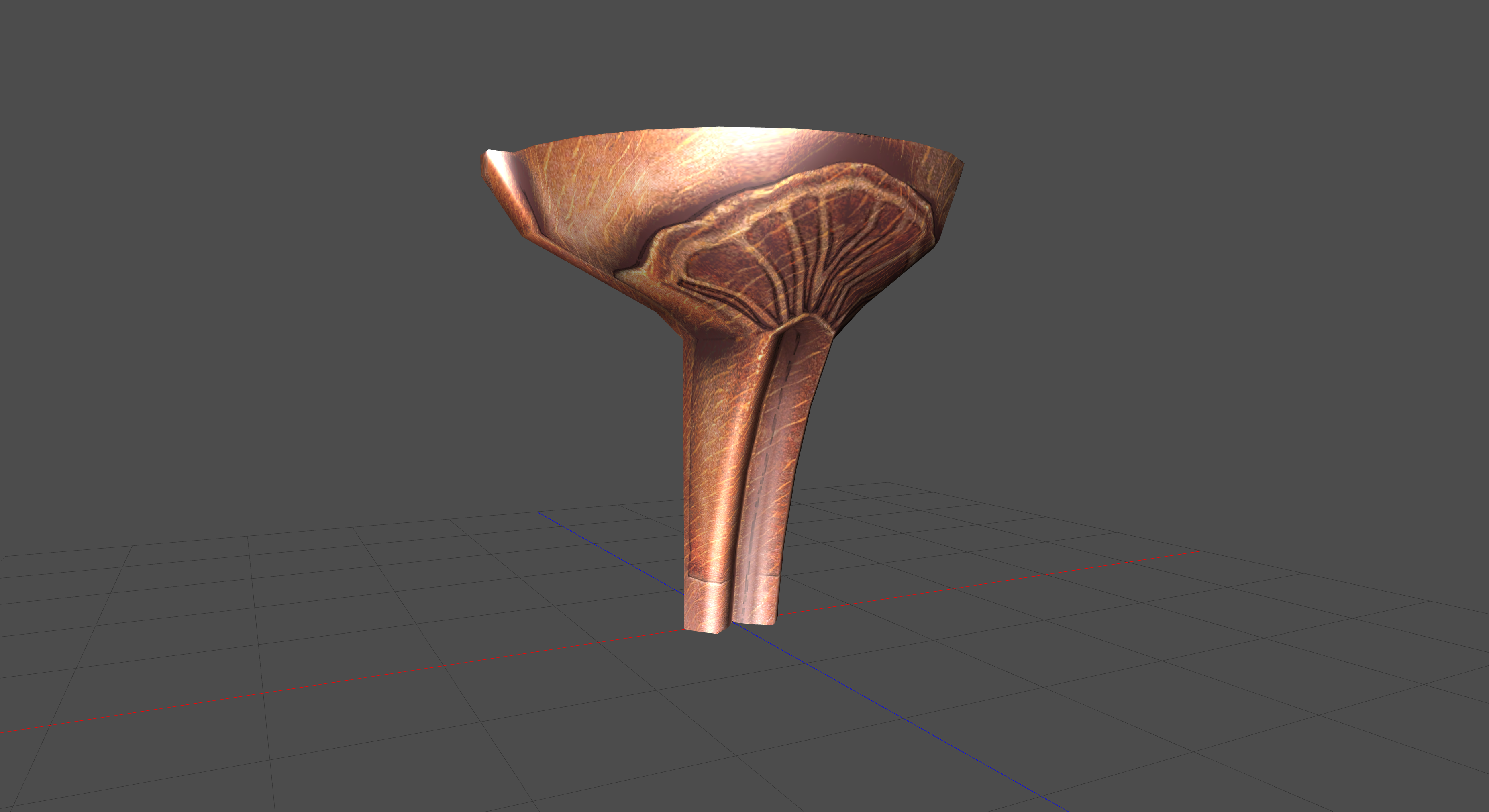
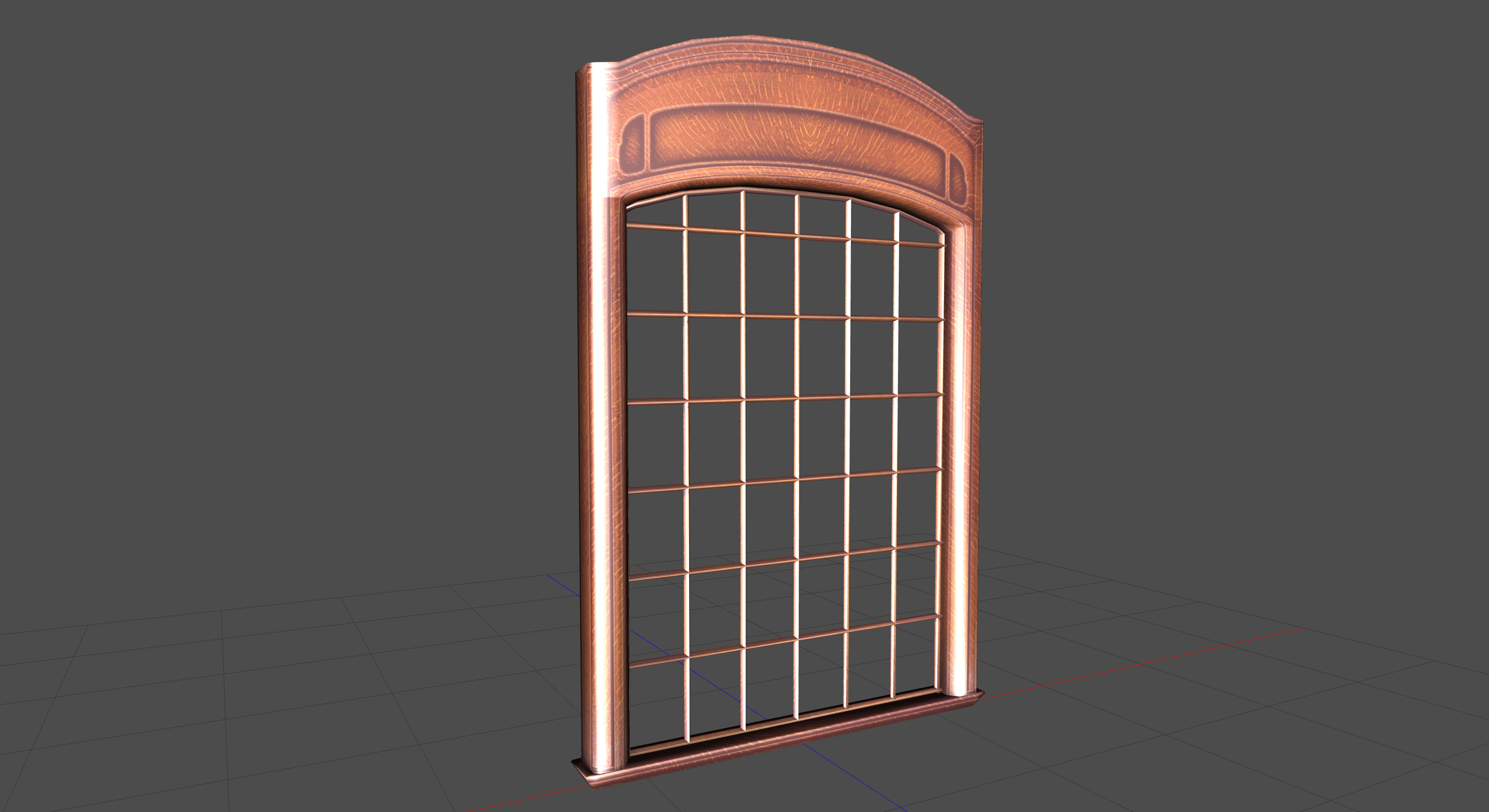
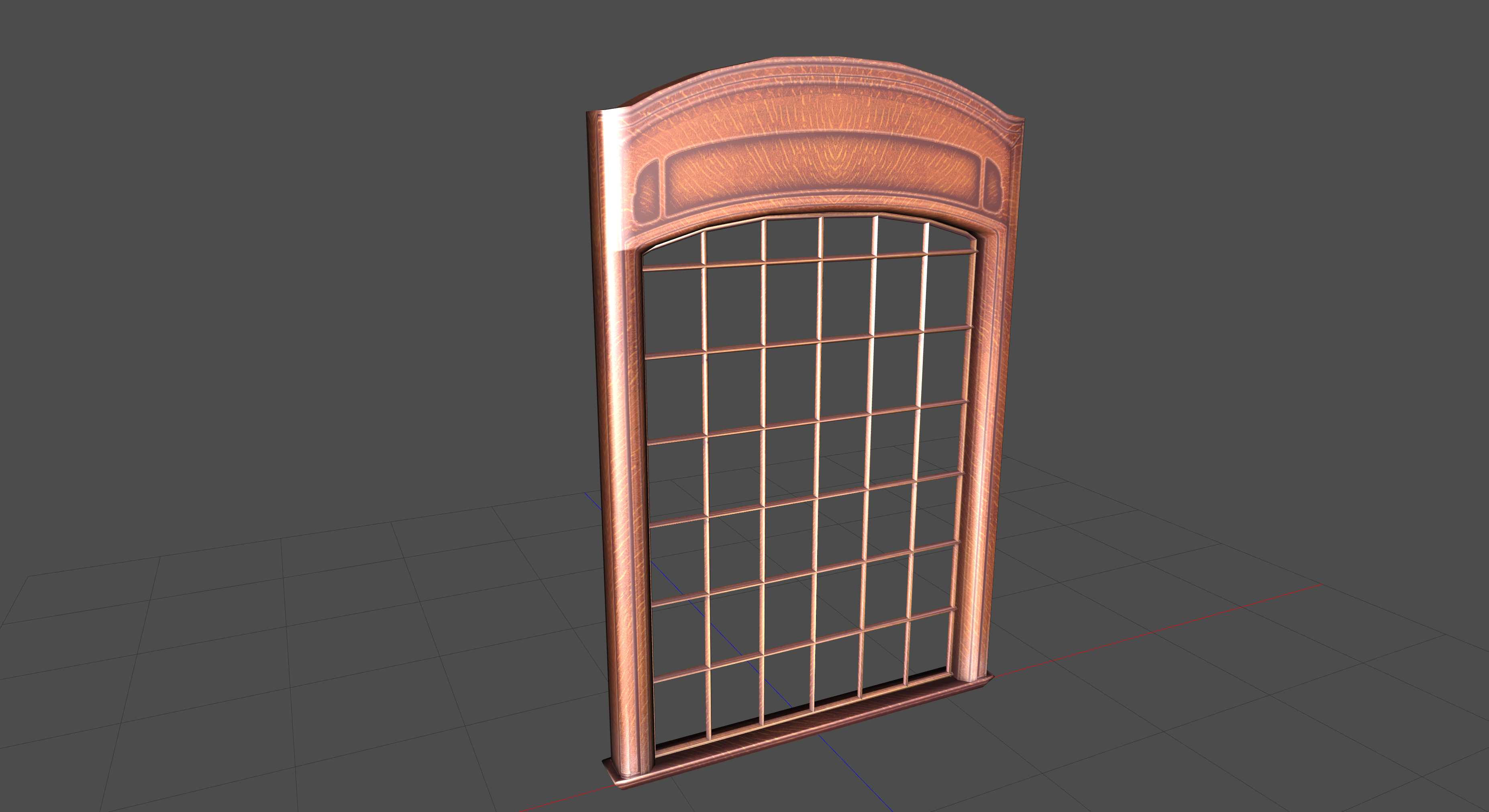
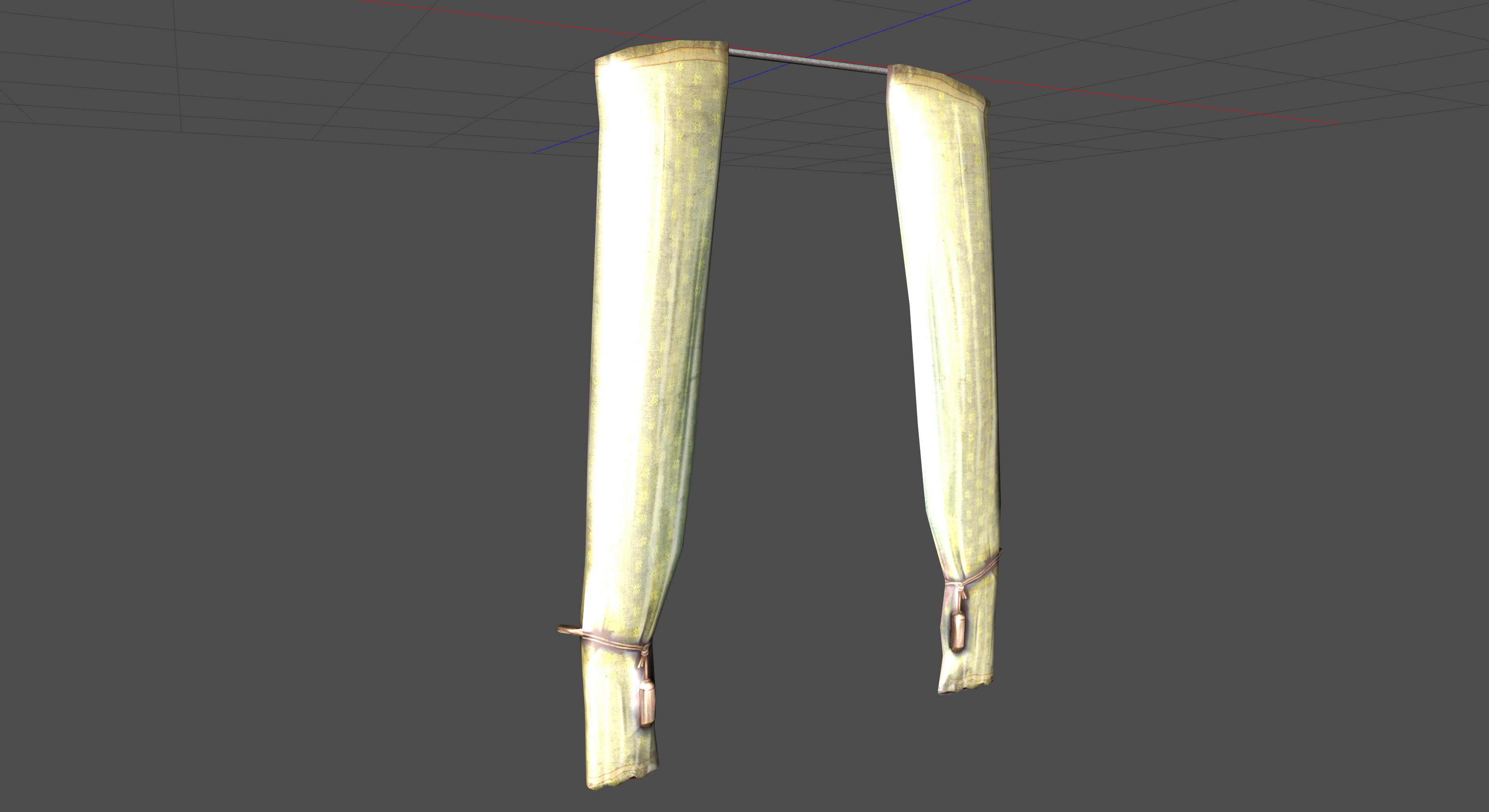
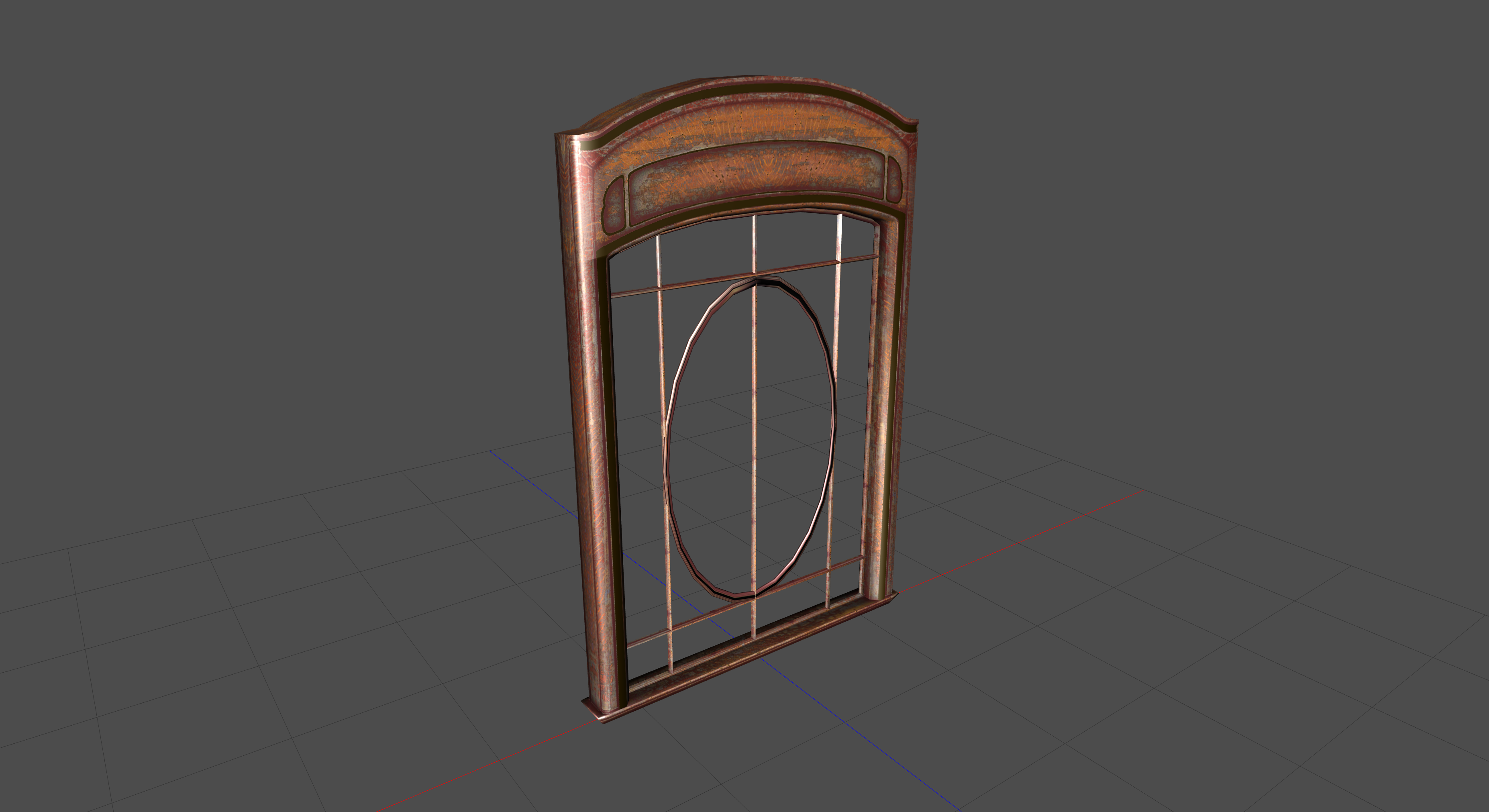
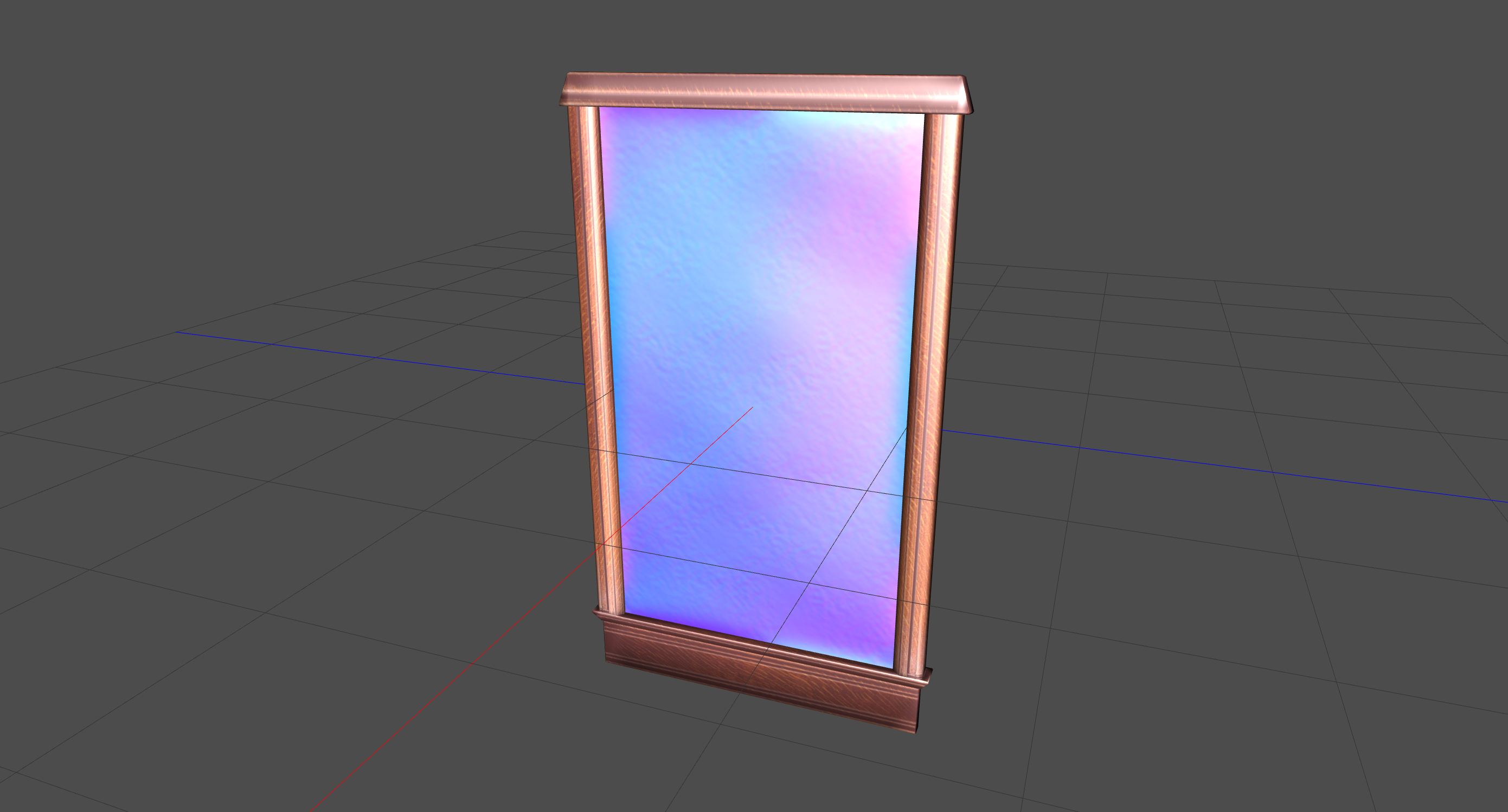
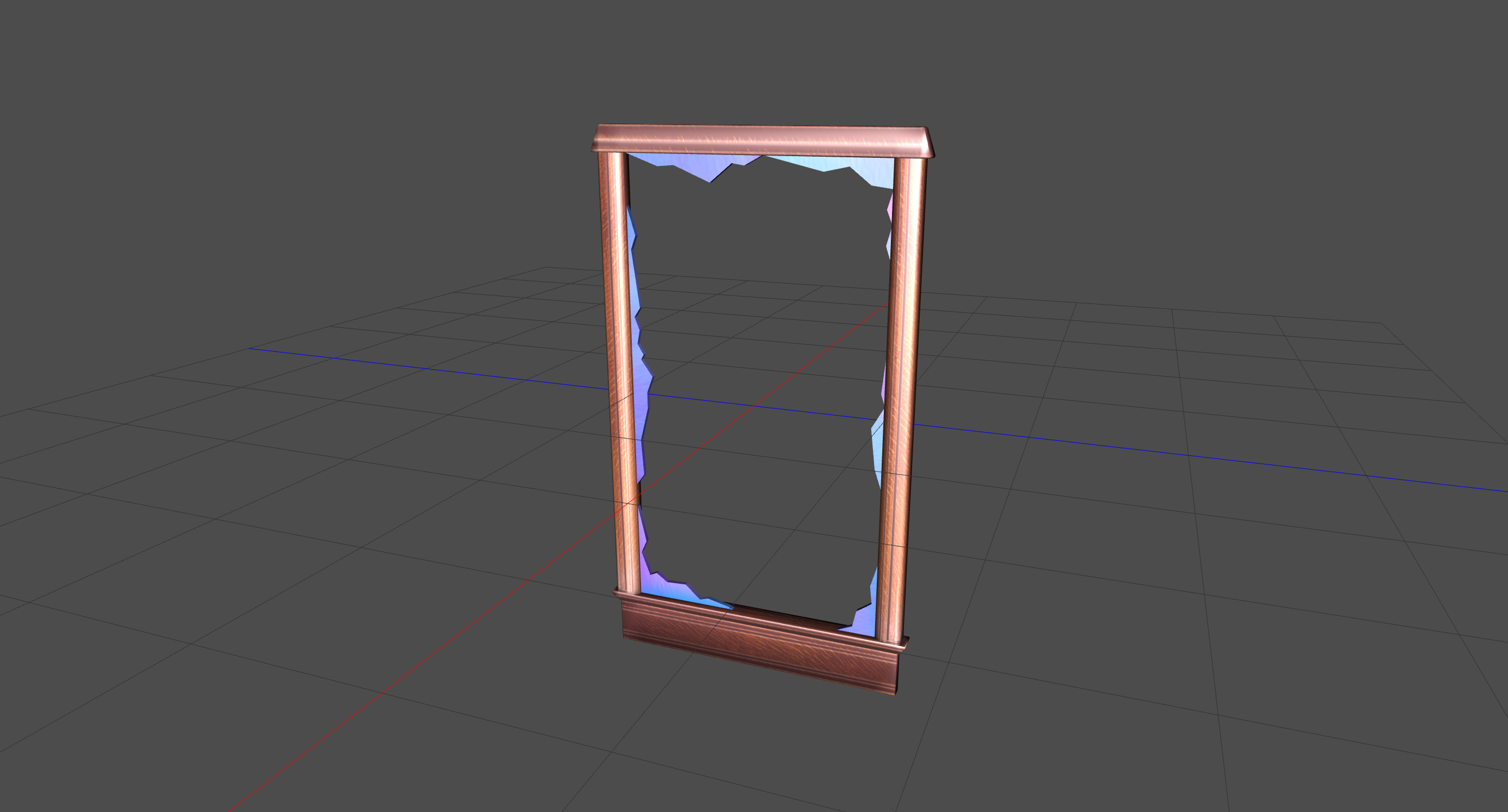
It’s worth mentioning that for some of these there are alternate textures.
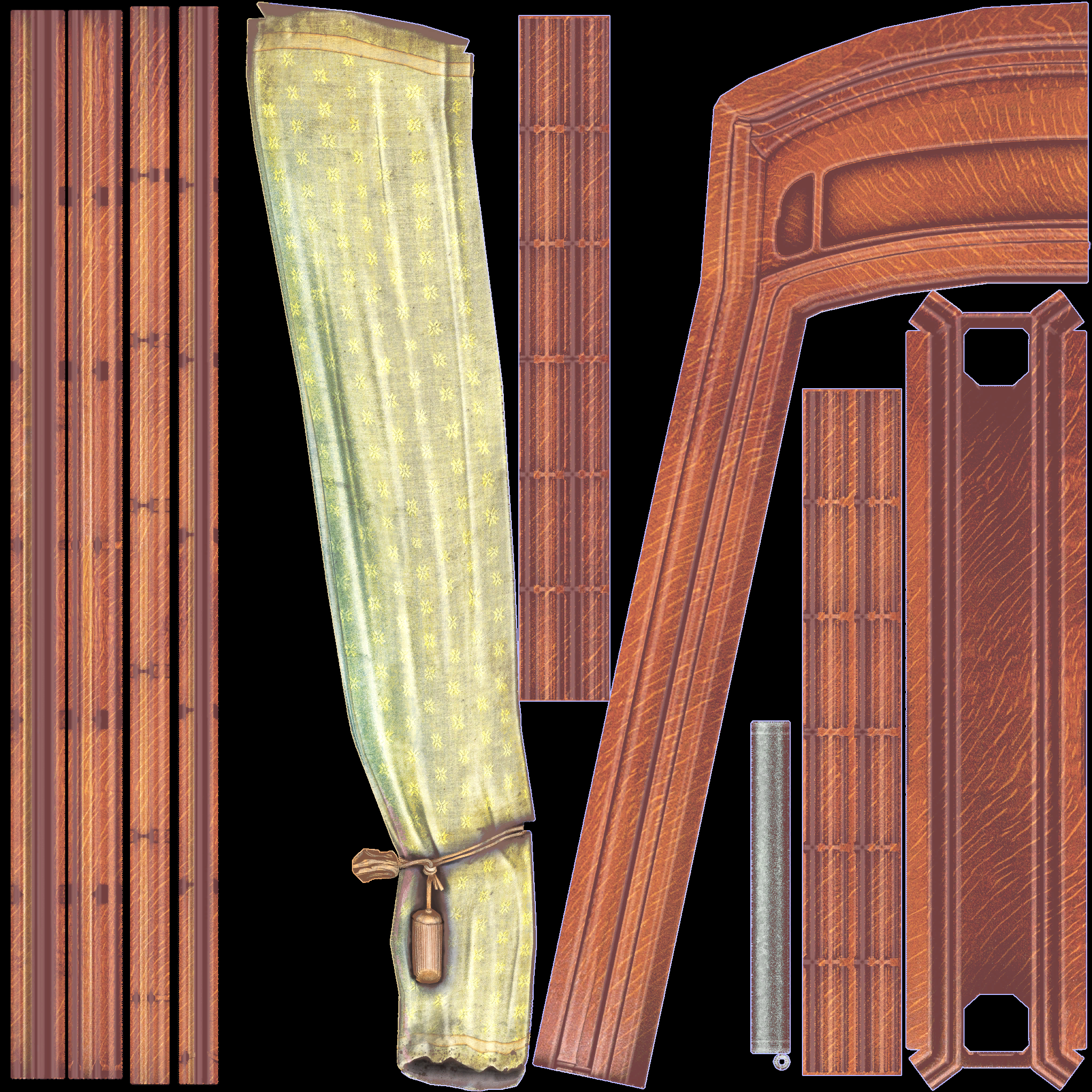
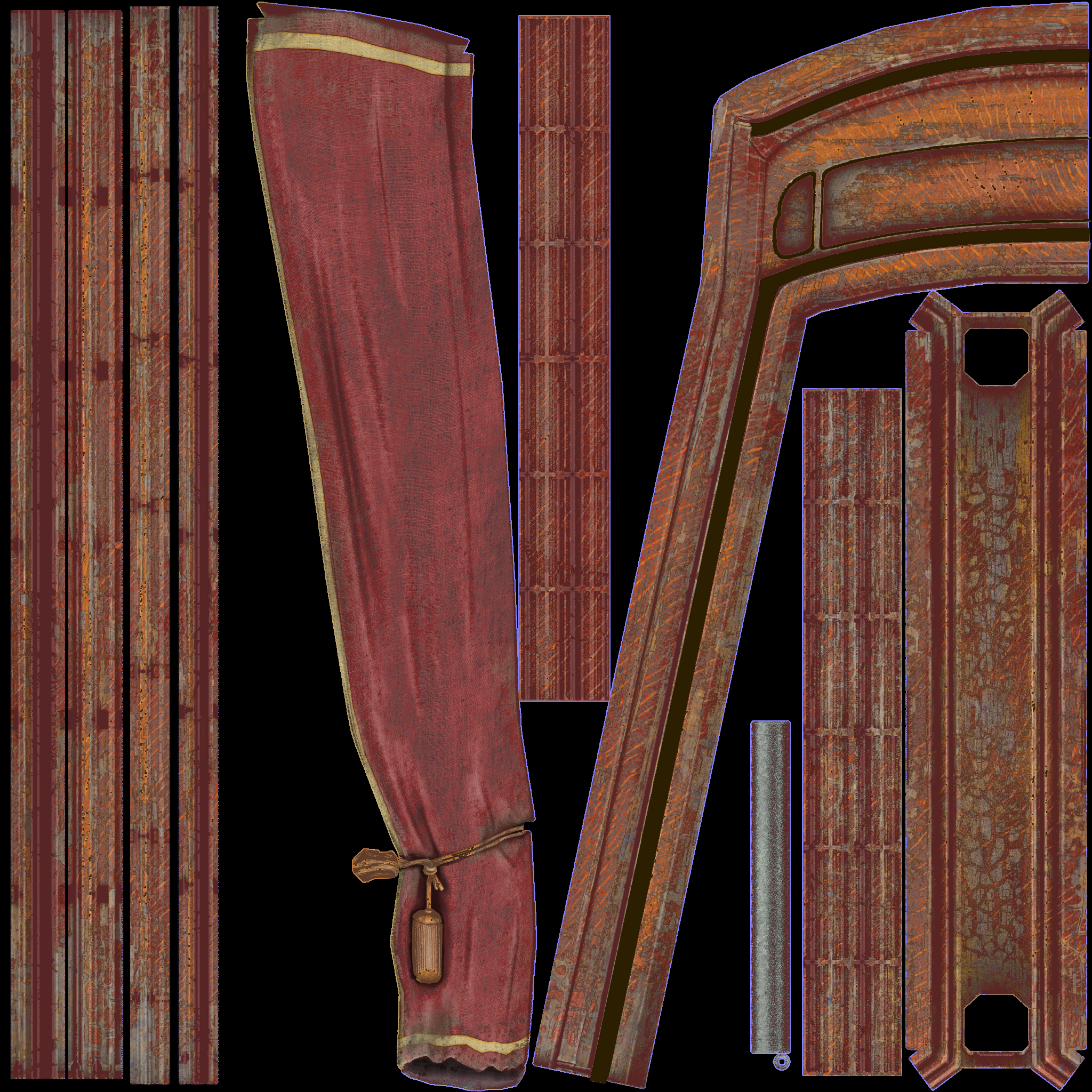
The Art Nouveau aesthetic is quite subtle for these, likely why they’re still in such wide use, but you can see some of it seeping through with the curved organic elements coming through on a few of them.
I appreciate it if you’re not quite convinced or perhaps even confused for the moment. Perhaps, even afraid… Do not fear! To support my point, we can actually see some of these models in use in an old screenshot. Per my uh, rather crude overlay here.
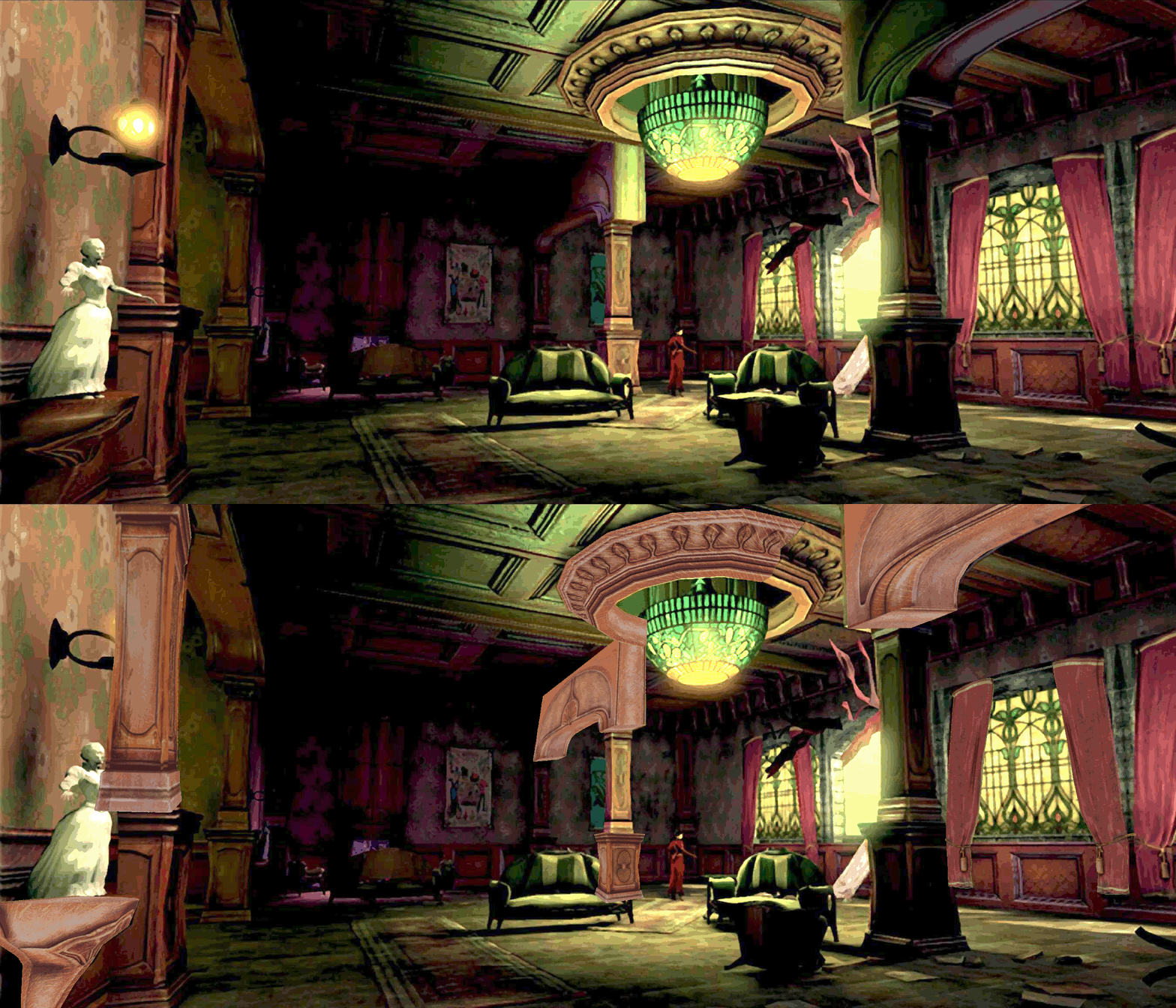
So yeah, these, or at least certainly some of them, do appear to have been carried over from the earlier work on the game. Neat, right? It makes you really appreciate the legacy some props in the game might have that you otherwise might not have thought about.
That said, this isn’t all that surprising. Models are quite time-consuming to produce. And again, the style is very subtle for these; they still fit very well with the Columbia that shipped. So much so that I’d not even realised until working on this piece (I started off looking at something completely different when I’d started).
Something I’d noticed while working on the comparison above is that the taller columns are just the shorter columns stretched like so.
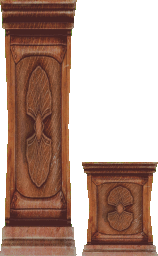
This is despite there being two taller columns in the set (here and here), which may imply that those weren’t yet created at the time they made the environment featured in the screenshot. Perhaps the level designers stretching the shorter column like this prompted the artists to create the taller columns?
They really got a lot of use out of this set of models in general. I don’t want to go too crazy, as we’ve got plenty more to look at, but even in some early paintovers you can see many of them being used; just as one example I’ve highlighted below where they’ve reused the same model with different scales applied to get a lot of use out of it.
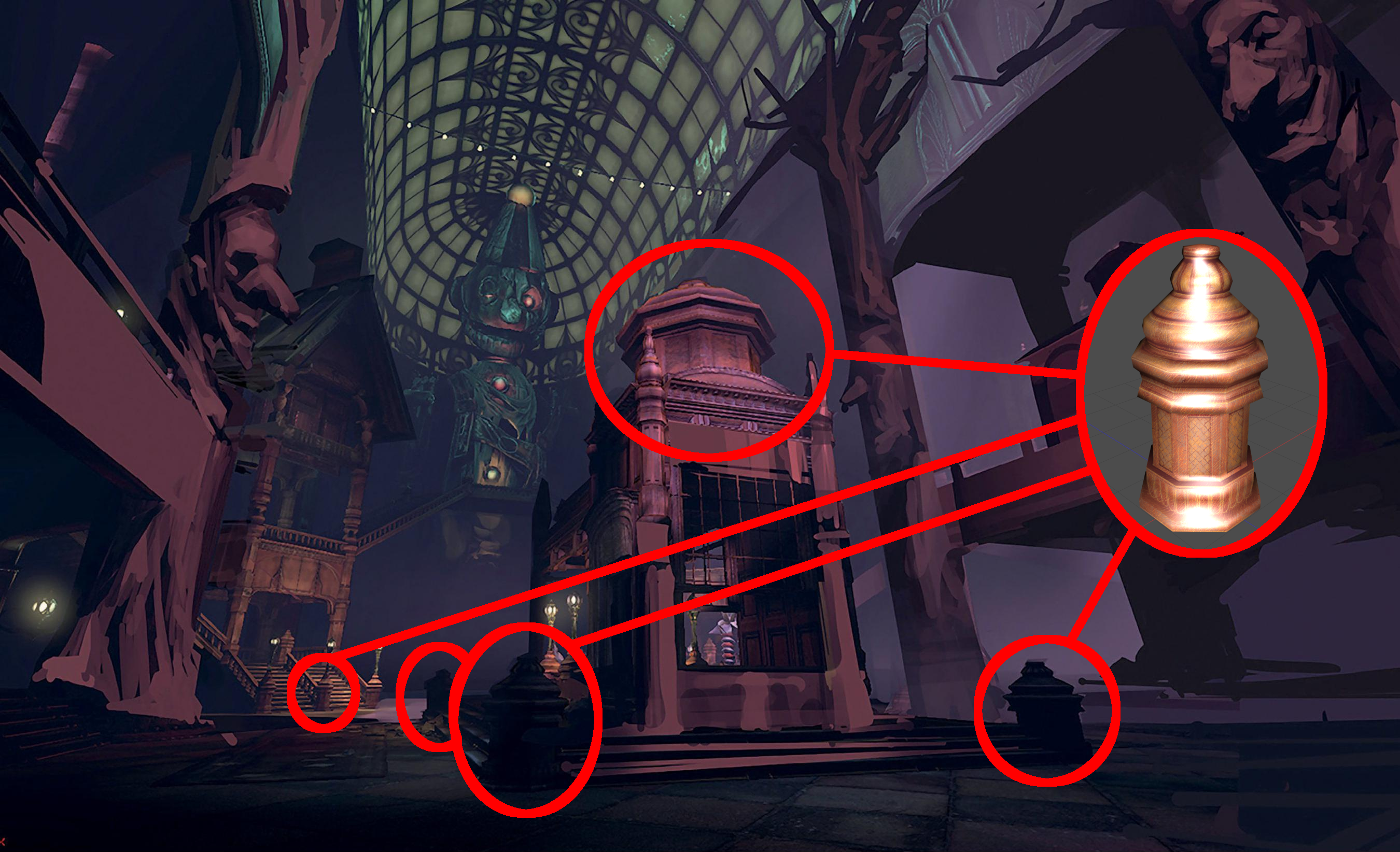
See if you can spot some others! There’s another paintover where you can see some of these being used if you look close, but I think you get the idea. The team got good use out of these, and they survived seemingly almost from start to end!
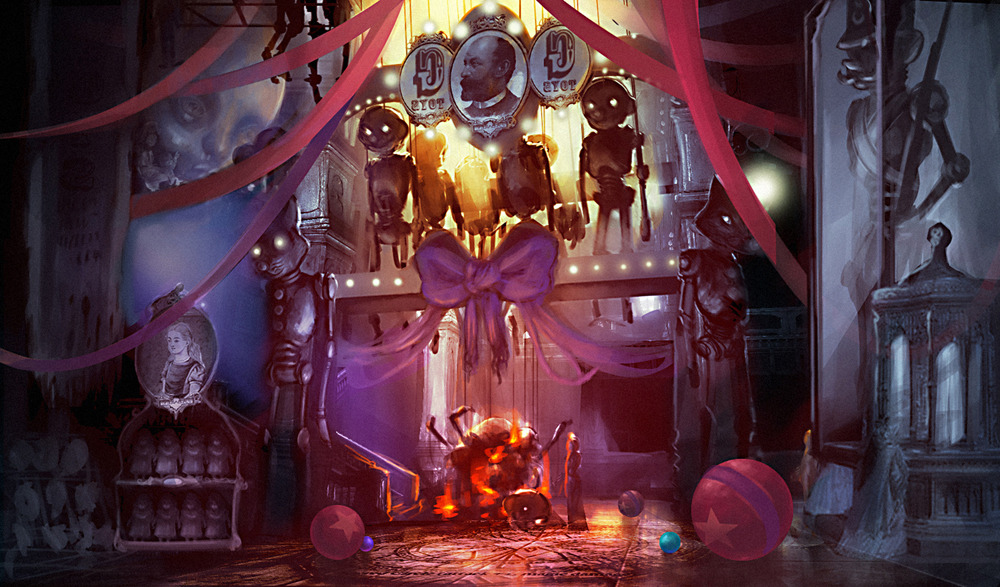
As a final note of curiosity, in the September 2010 demo there’s actually an interesting variation of the set that appears to be painted with gold trims.
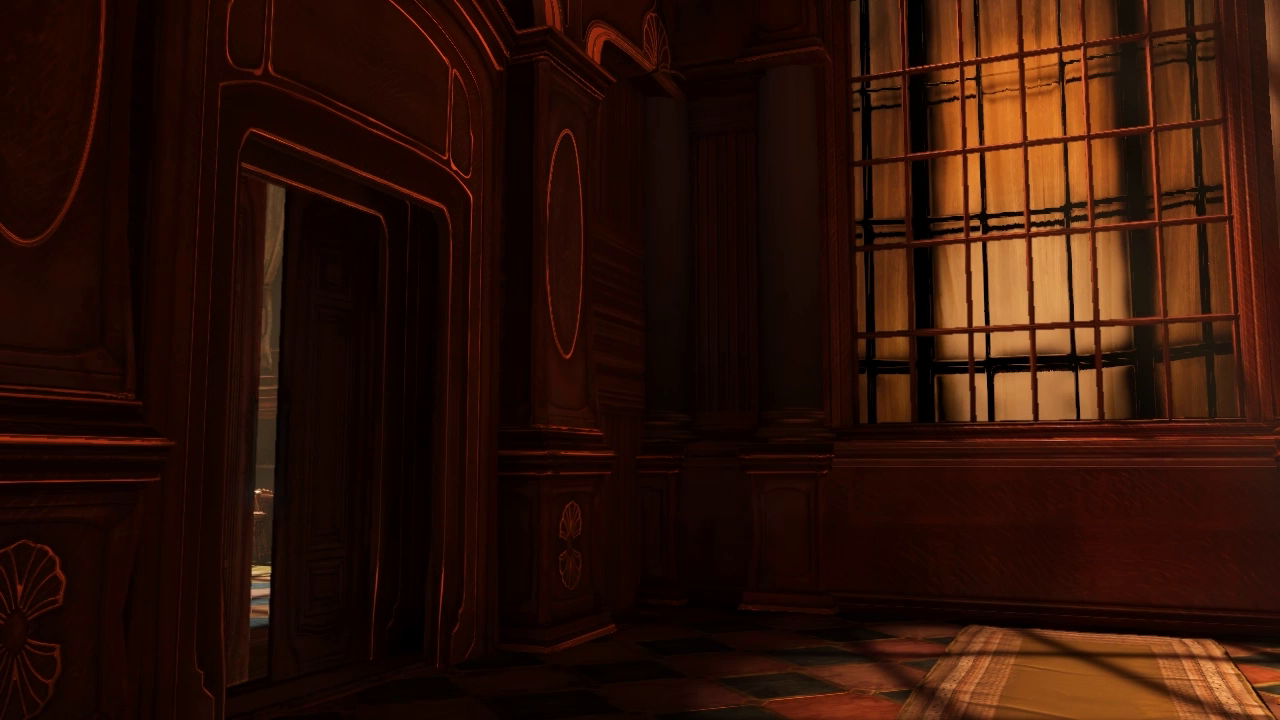
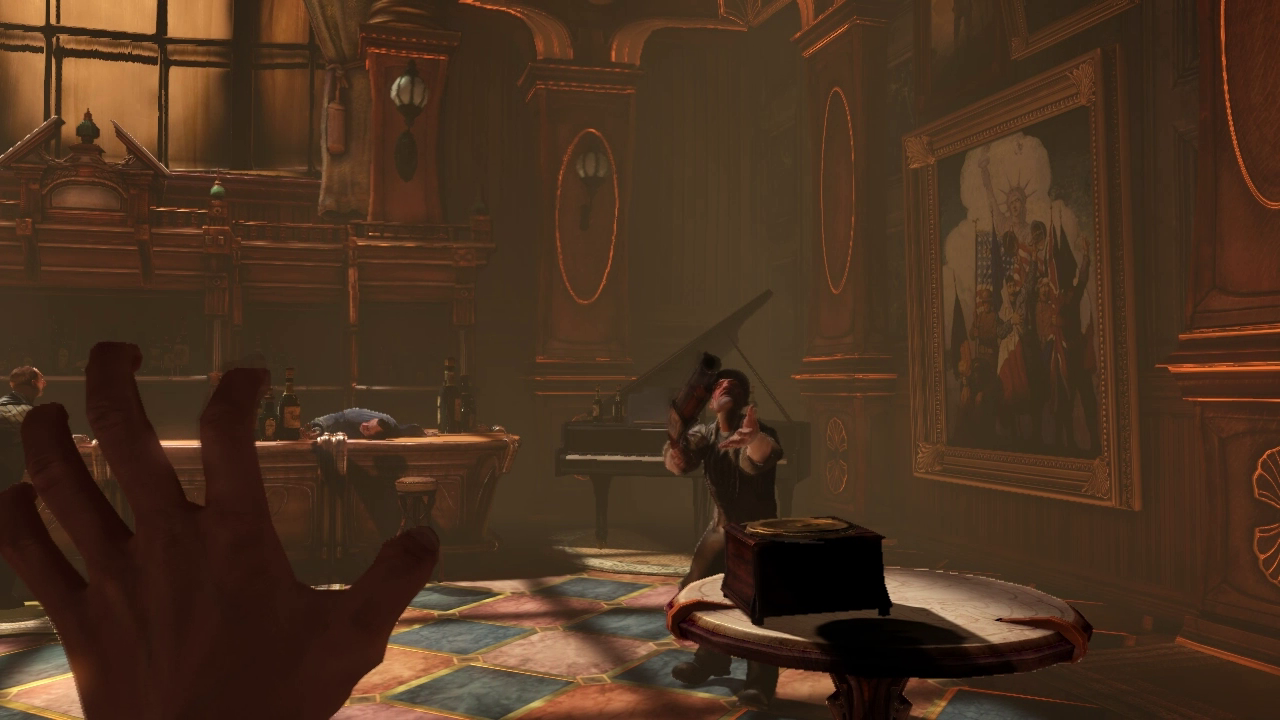
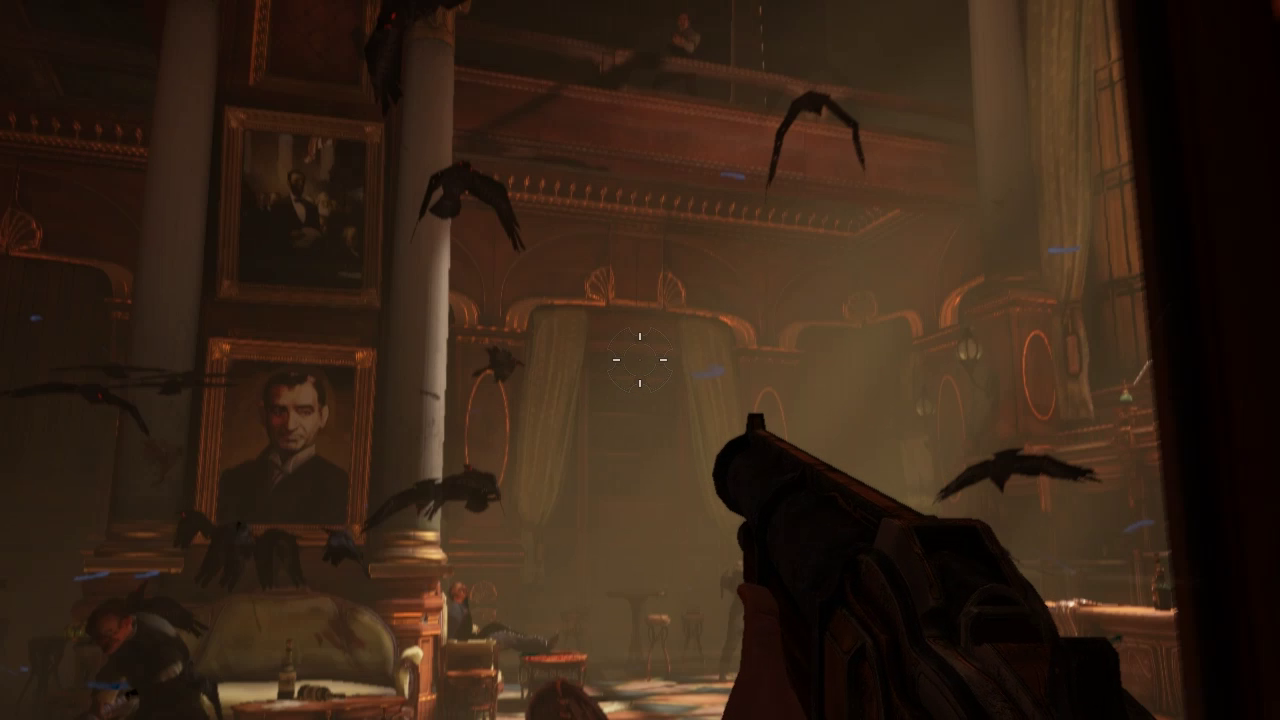
This is the only bit of public media I’m aware of where these show up, and this texture variation is apparently gone from the final game.
There’s a lot more I could say about that 2010 demo, but I’ll fortunately refrain, at least for today.
Furniture
Let’s look at our next models here, all part of a furniture set. I’m fairly sure a lot of people have noticed a couple of these already, but again, not really documented anywhere to my knowledge.
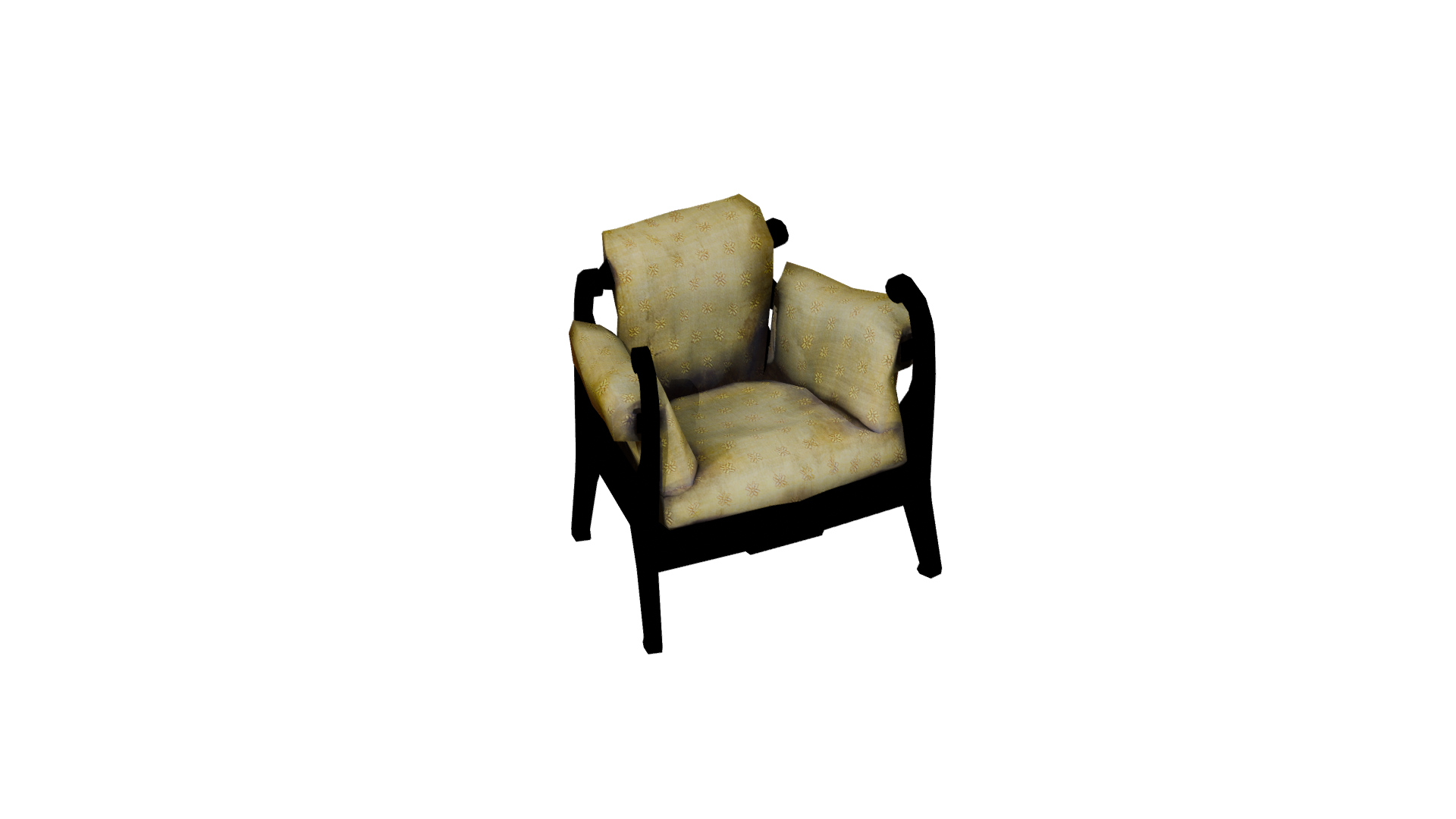
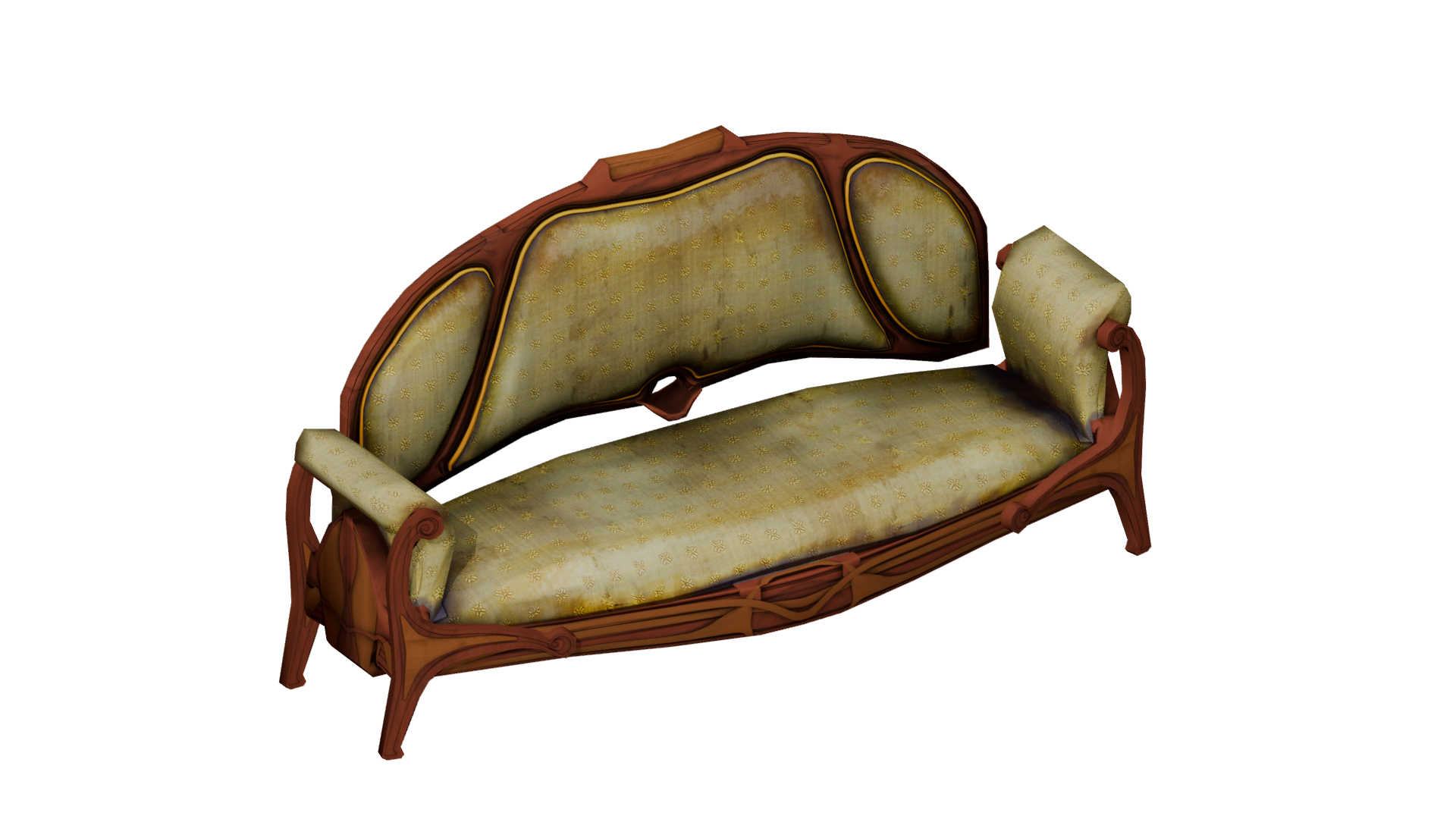
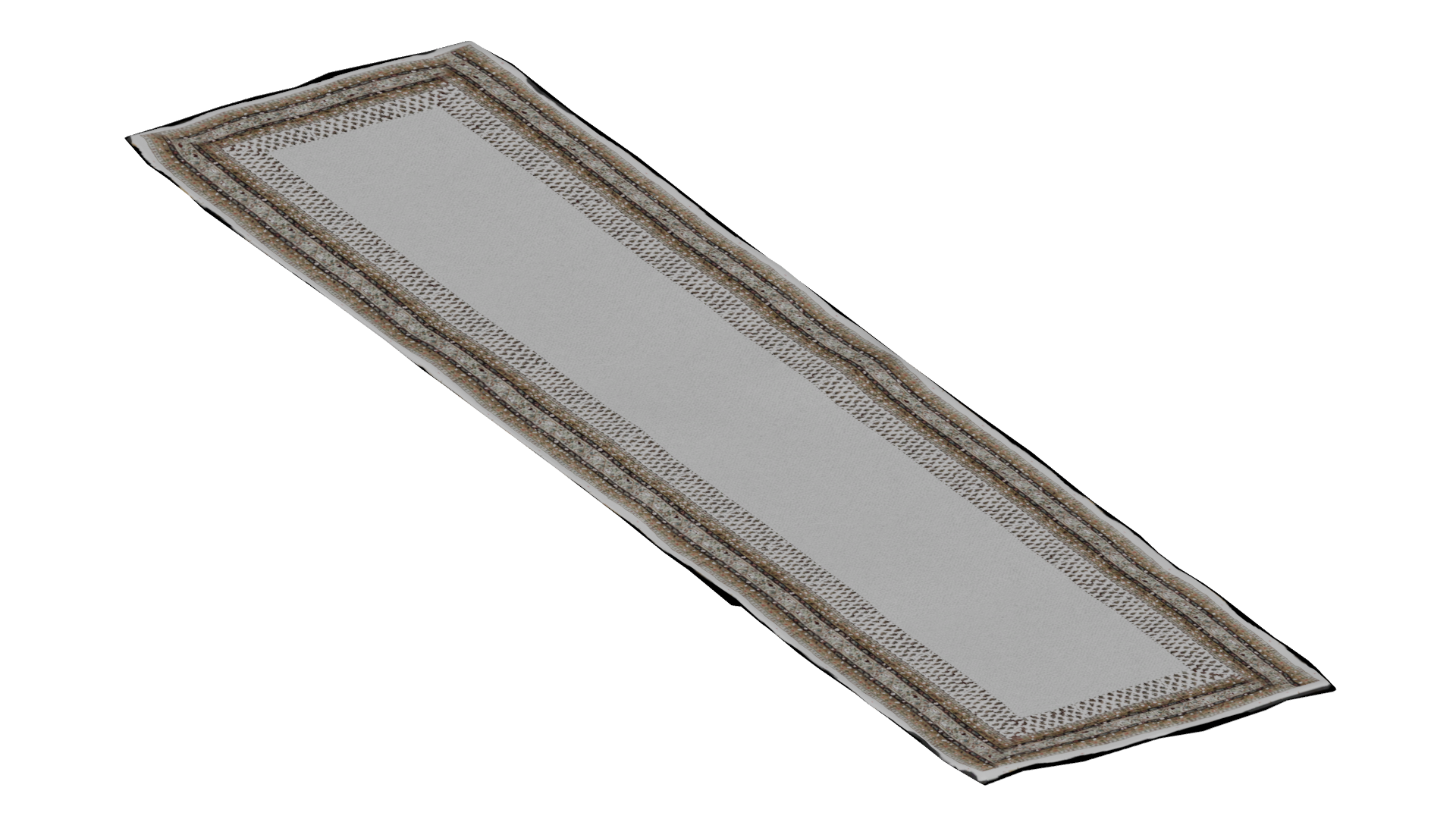
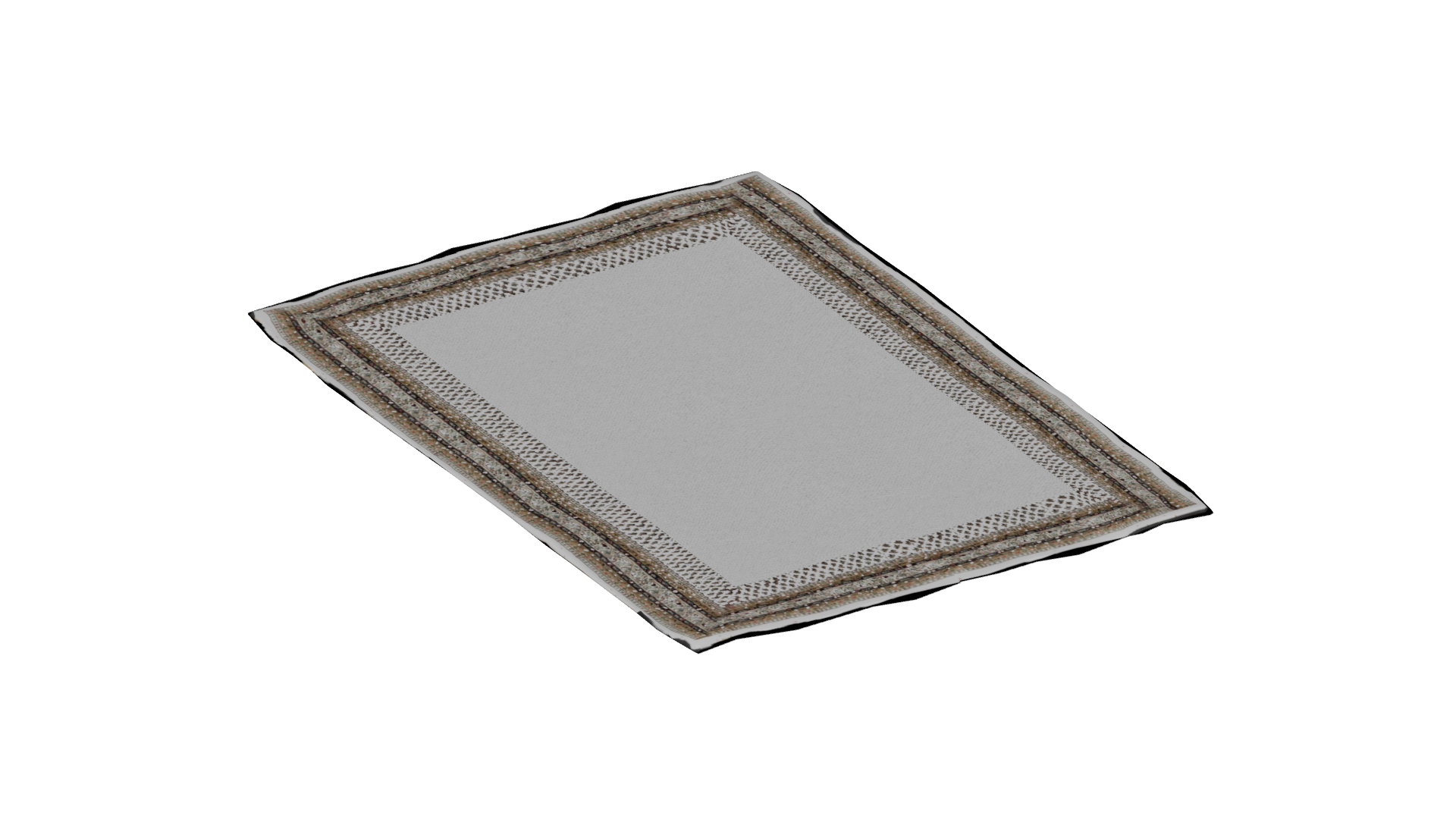
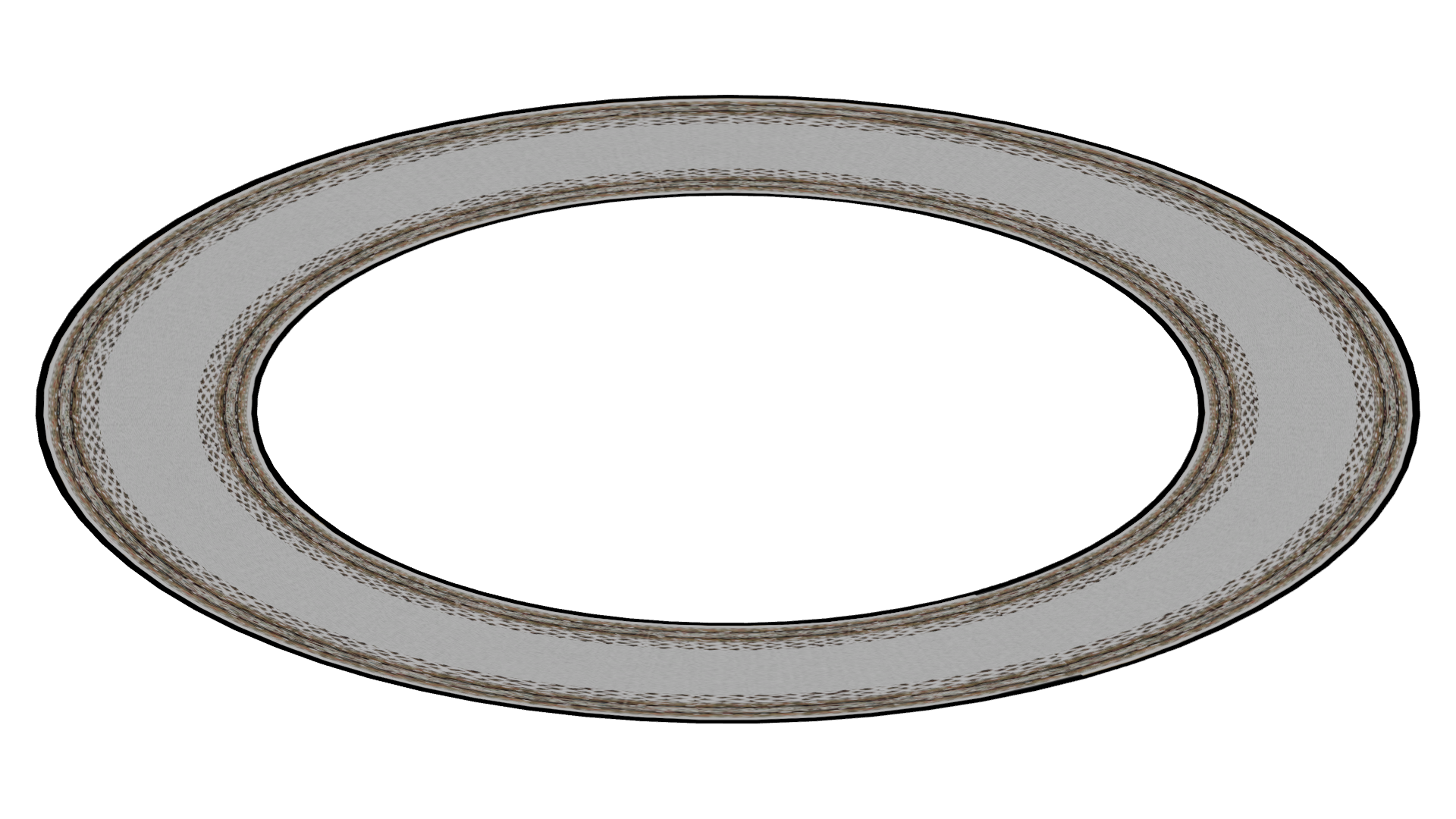
The names for each of these are prefixed with the name Nouveau, so they’re explicitly indicated to fit that style, and they certainly appear to do so. Well, certainly the first two. The others are just, uhm, rugs.
You can see some better renders of the chair and sofa produced by the artist that created them available below. The first one, which shows the high-poly version of the model, really gives you an appreciation for the amount of detail the artists put into these.
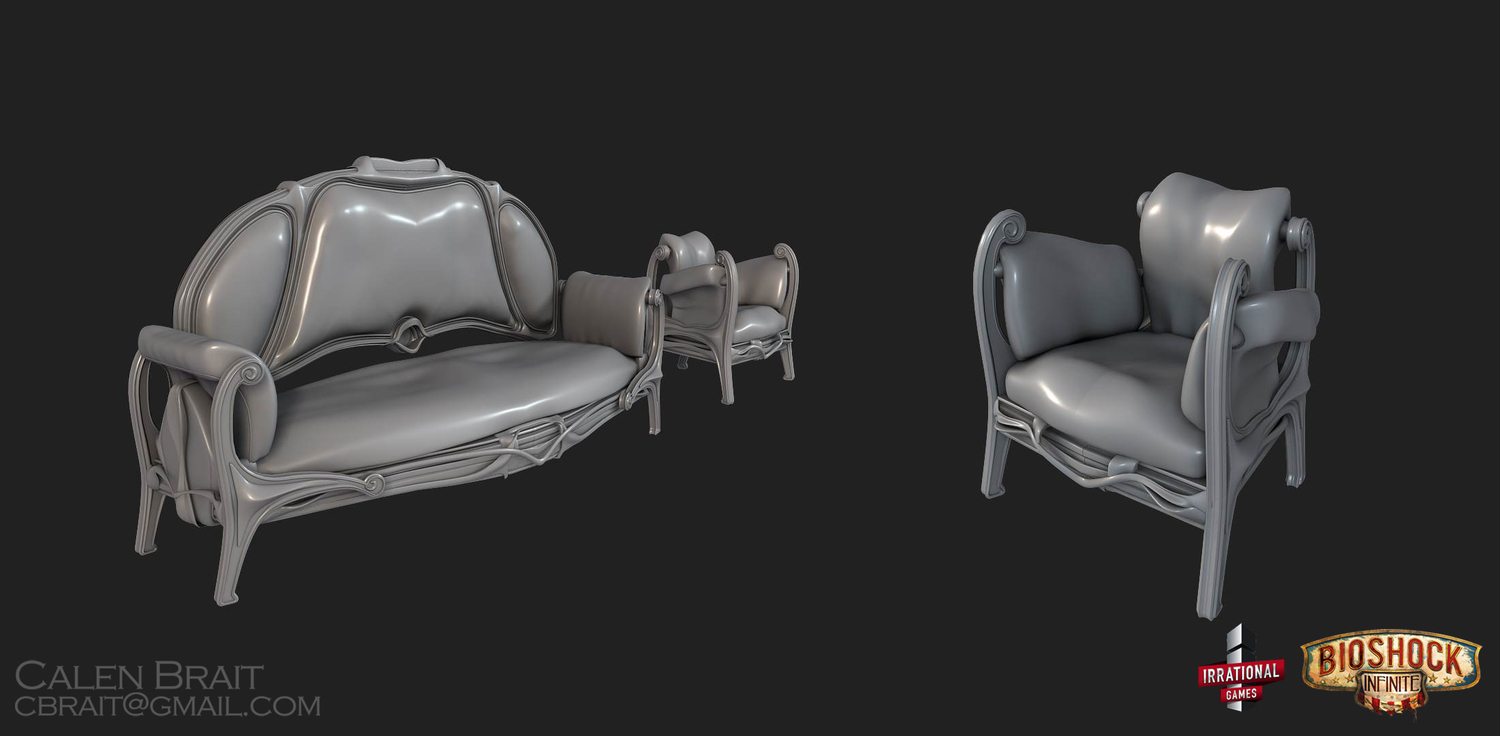
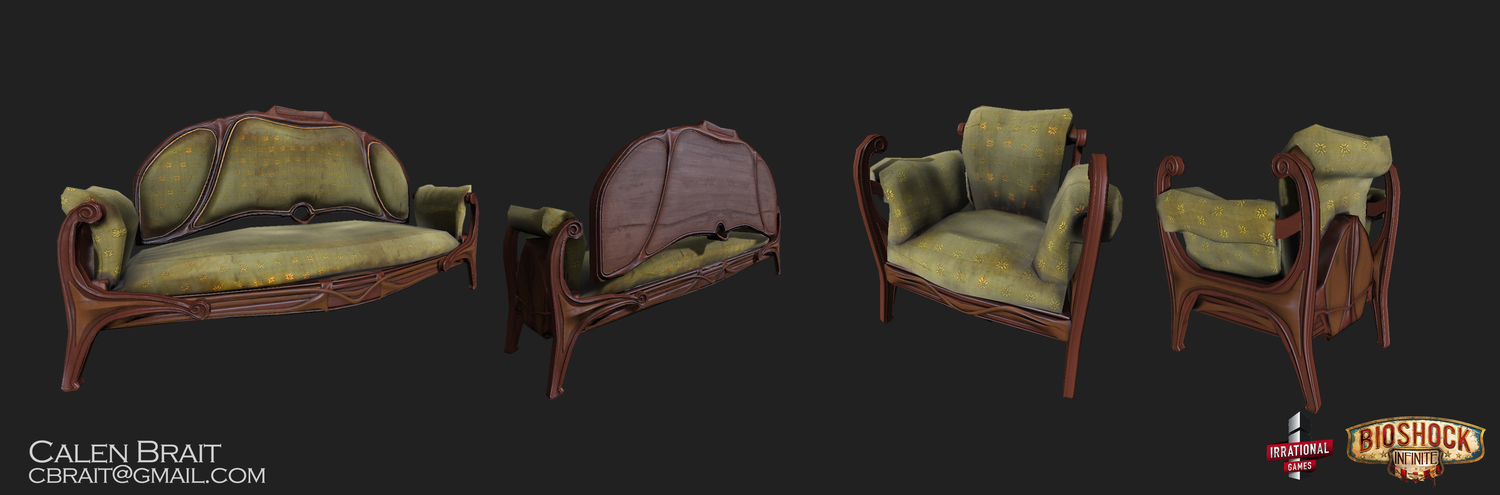
And as before, they’re used all over the damn place in the final game.
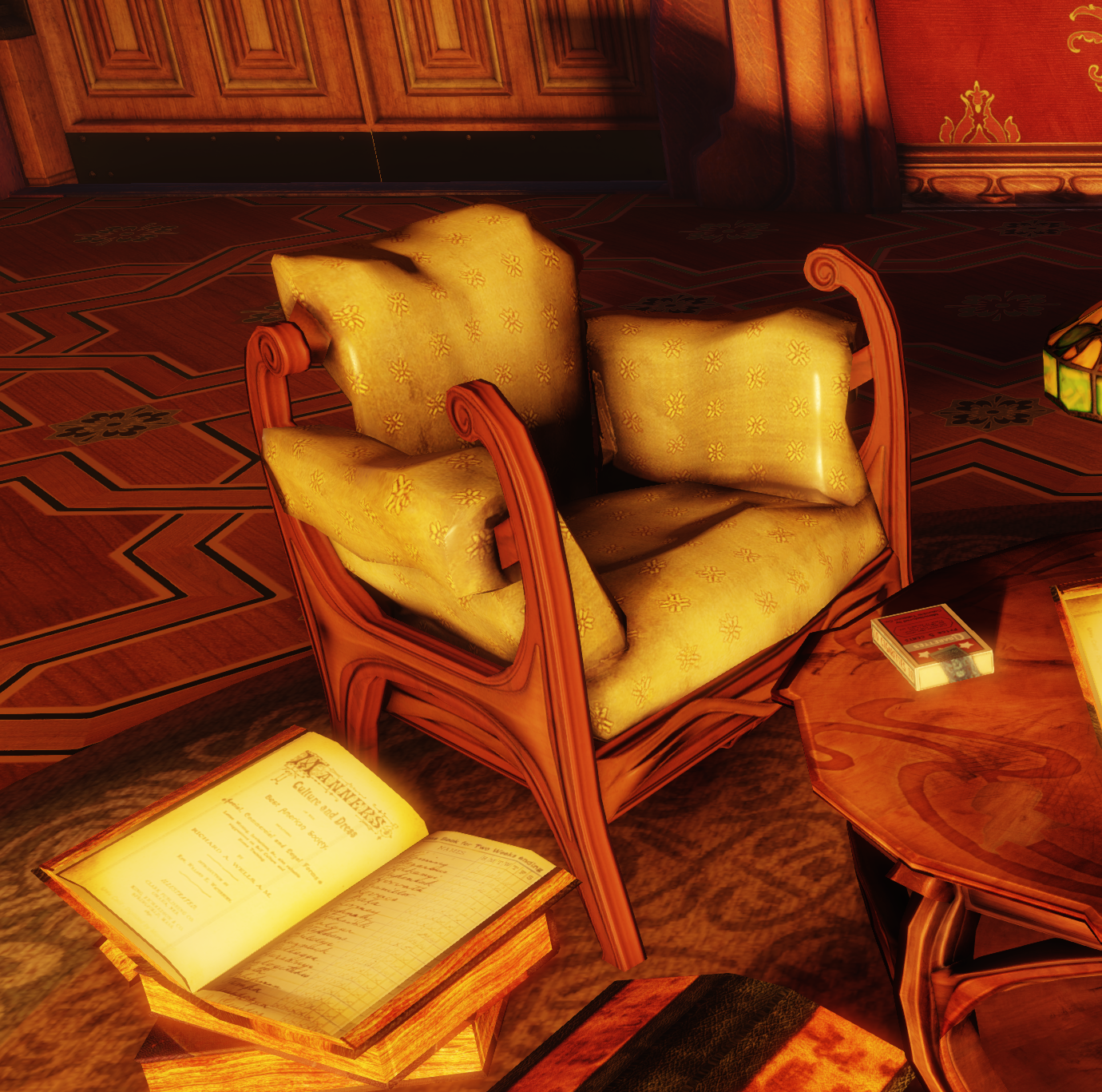
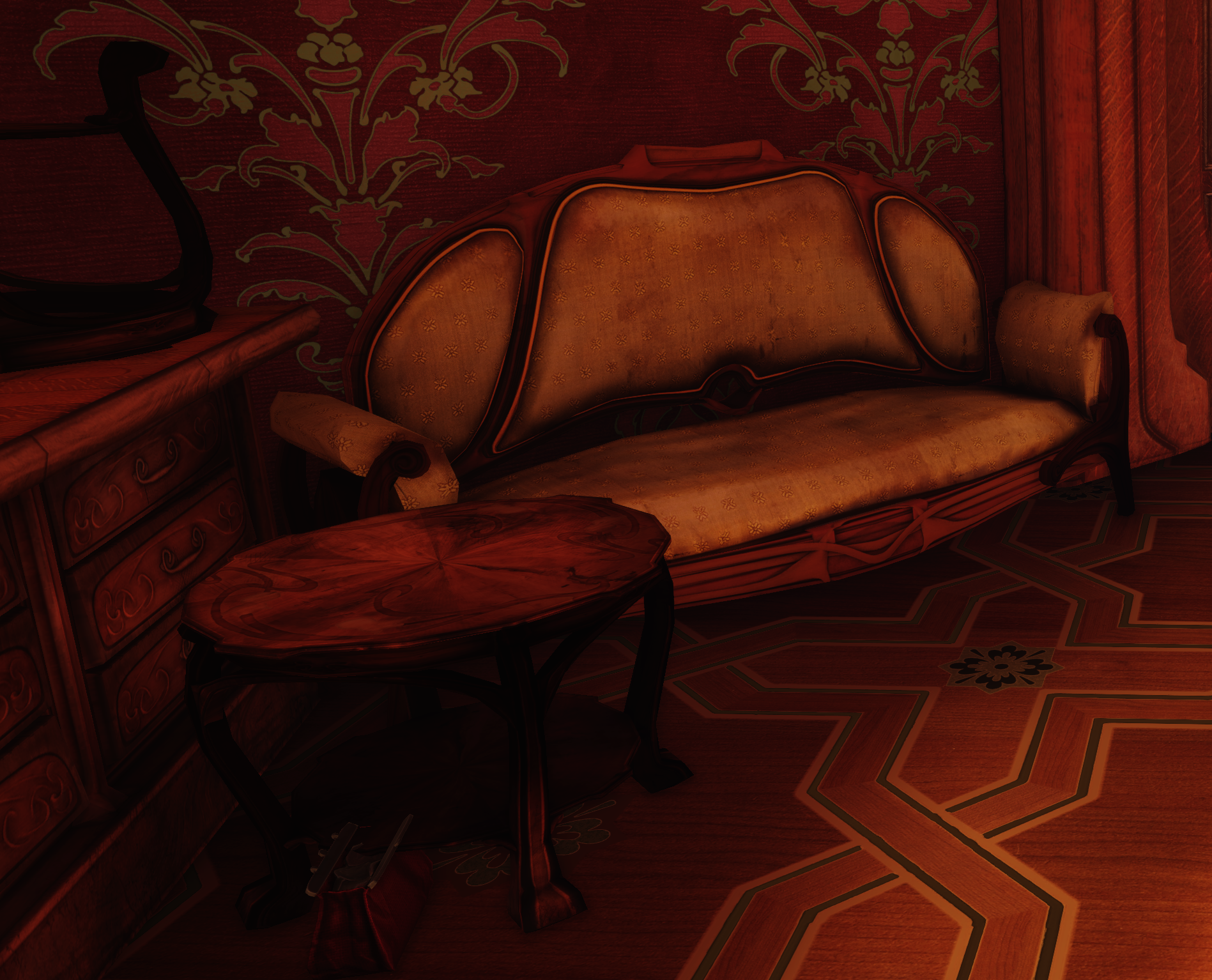
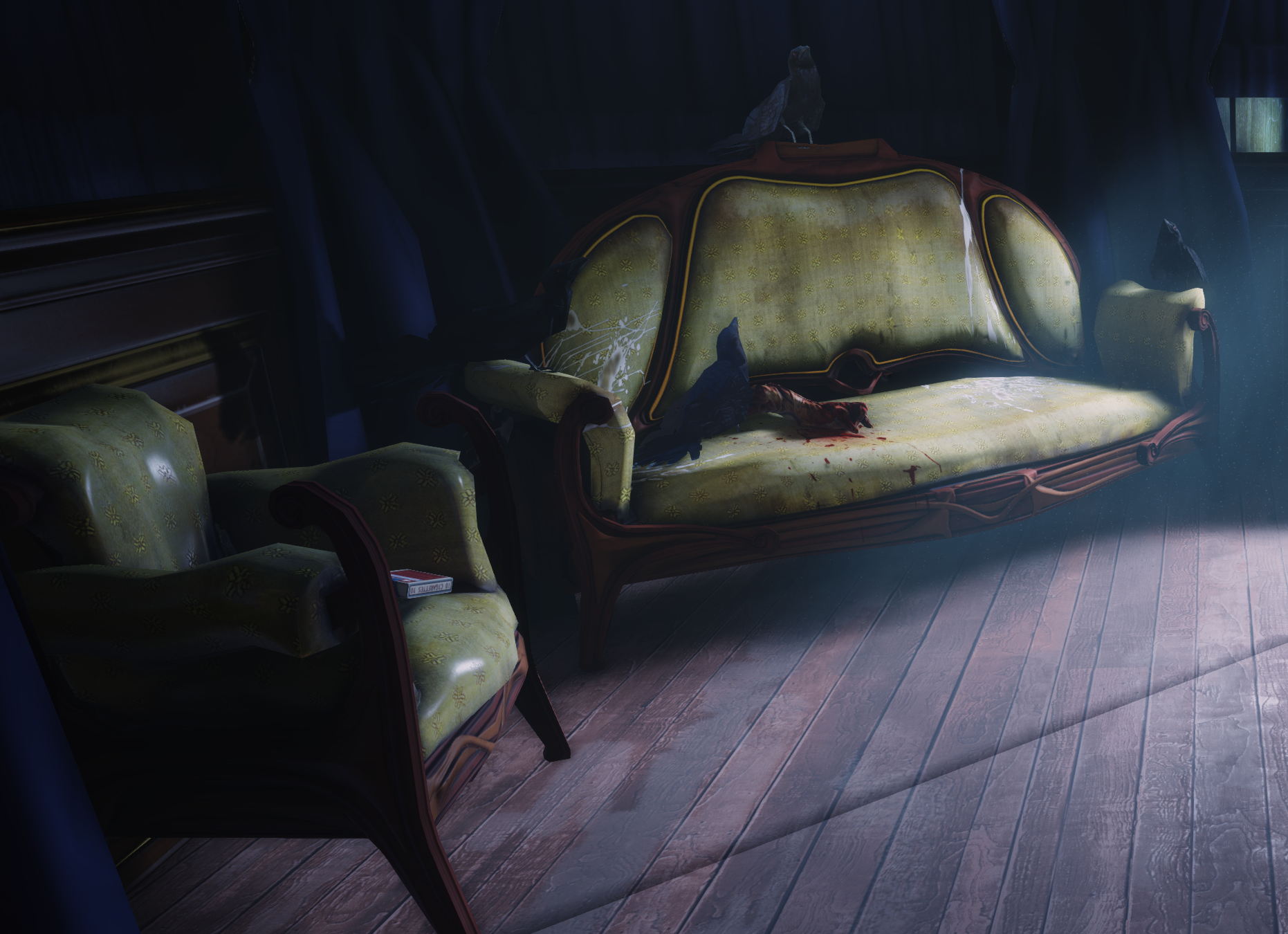
Clearly quite a favourite bit of furnishing in Columbia.
We can see what appears to be the sofa in the screenshot we did the comparison for earlier. There is also what appears to be the same chair, possibly tipped over in the foreground but certainly in the background at least.
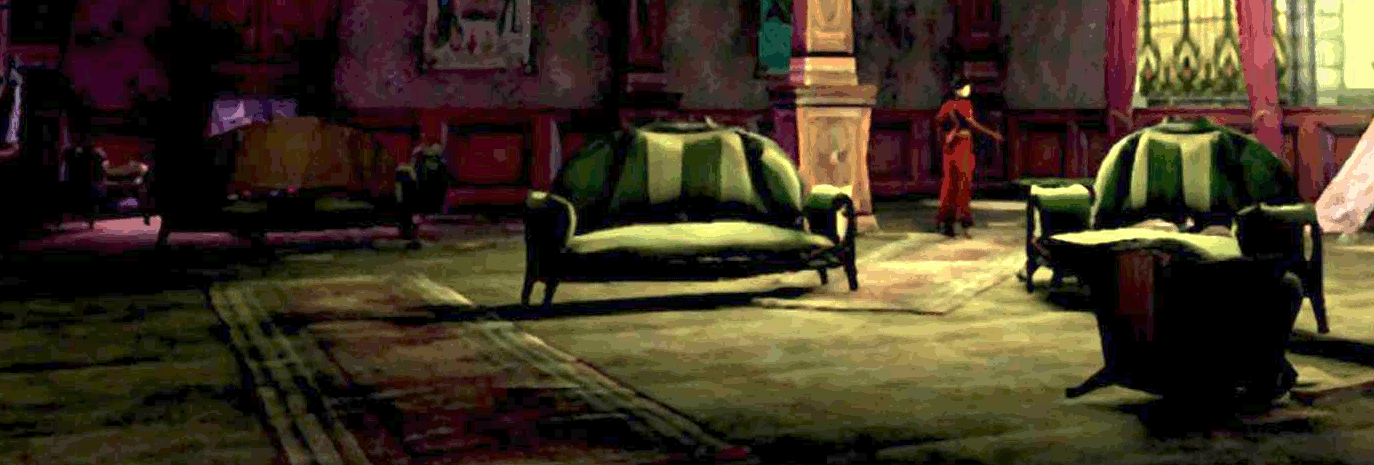
I struggled a little bit more than expected trying to get it to match up, so only did so for the sofa. Which is still far from perfect, but you get the idea.
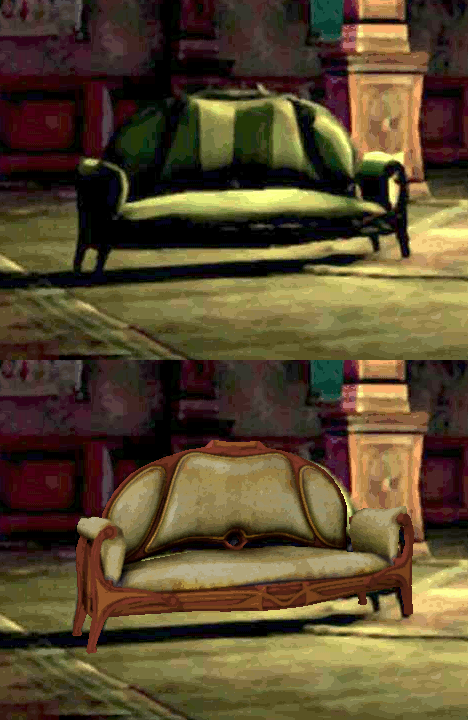
The rugs visible in the same screenshot may be the same as those within the same set, but it’s really too hard to tell for certain. Not to mention they look slightly redder? I think it’s quite likely to at least be the same model, but I just can’t be sure about the texture.
The only other texture variation I can see for the same model in the final game is called Nouveau_Runner_RugFink and that absolutely isn’t the same.
The chair and sofa, of course, also appear in the previously mentioned September 2010 demo, looking much the same as they do in the final game.
Glass Walkway
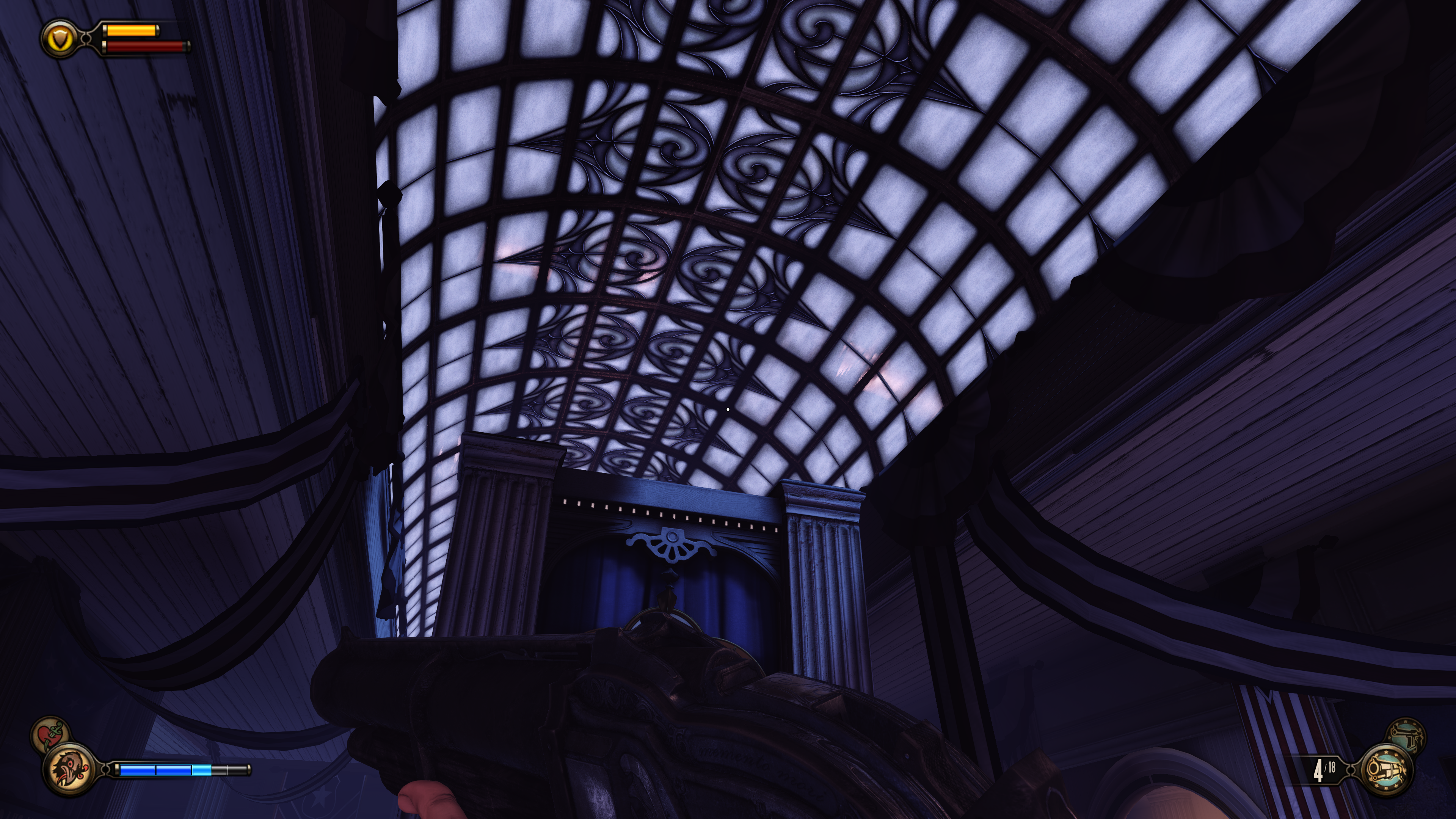
Next up is probably my favourite set just because it’s so distinct and yet so easy to miss. Particularly because you’ll never think to look up!
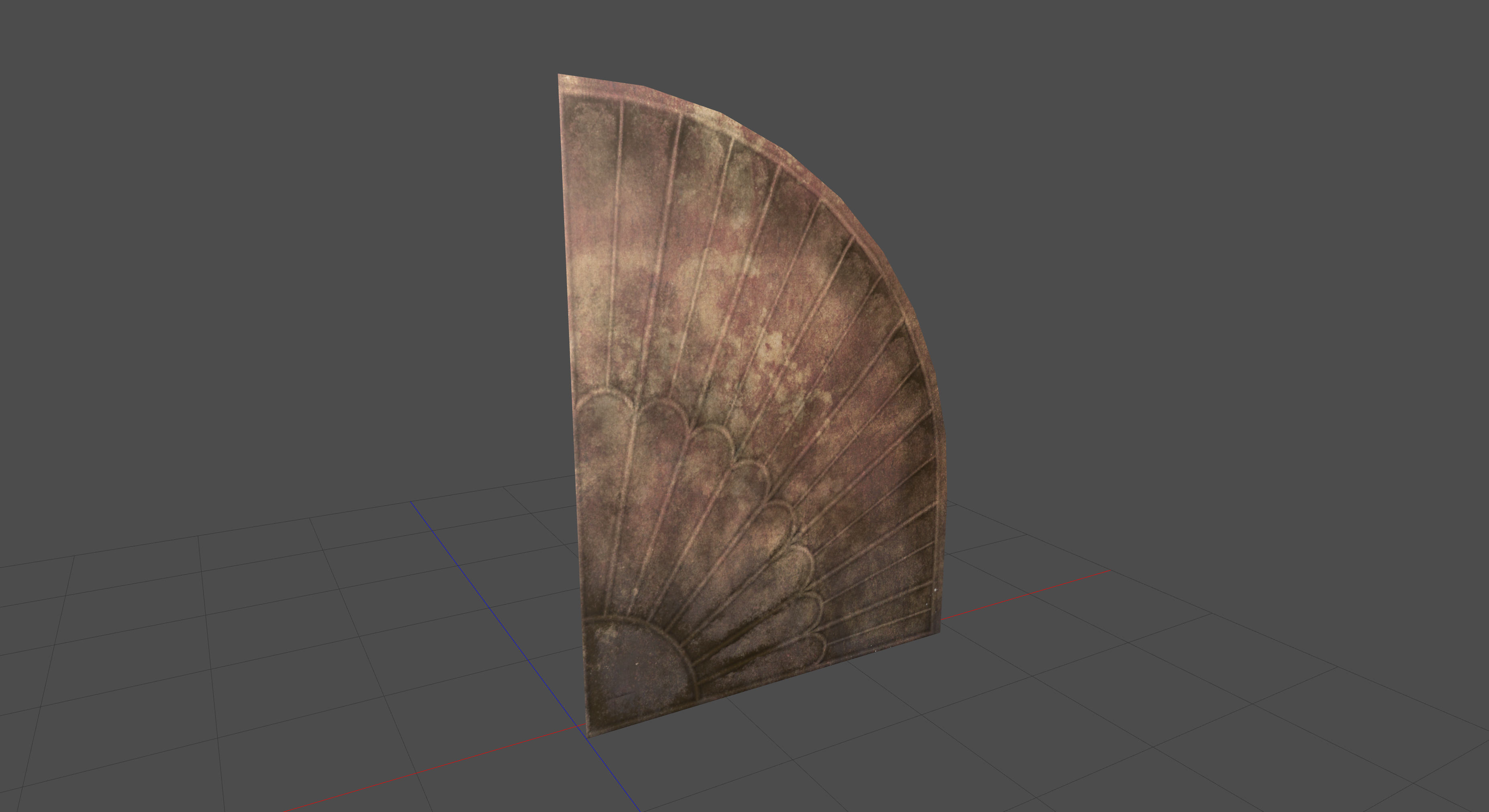
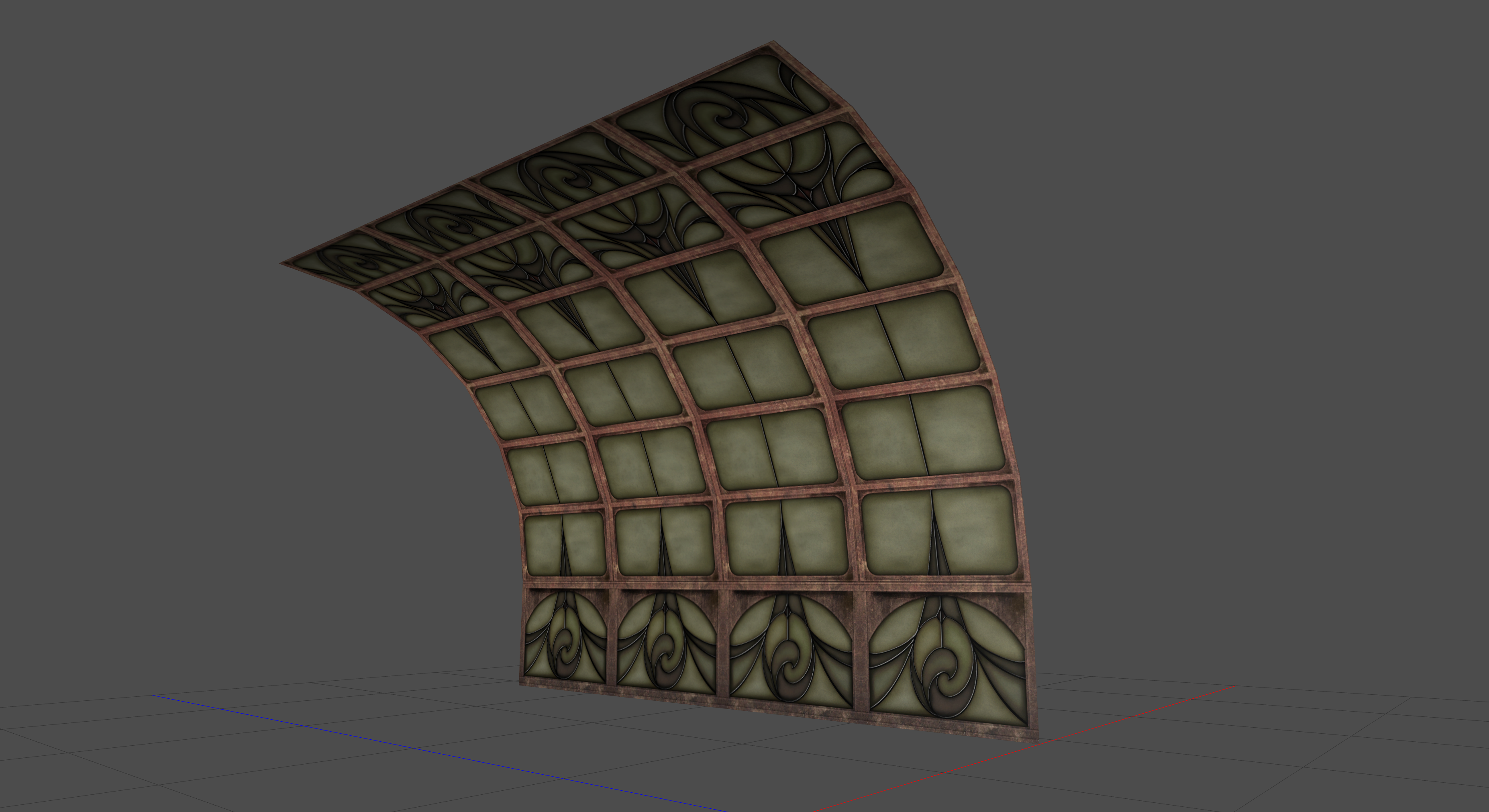
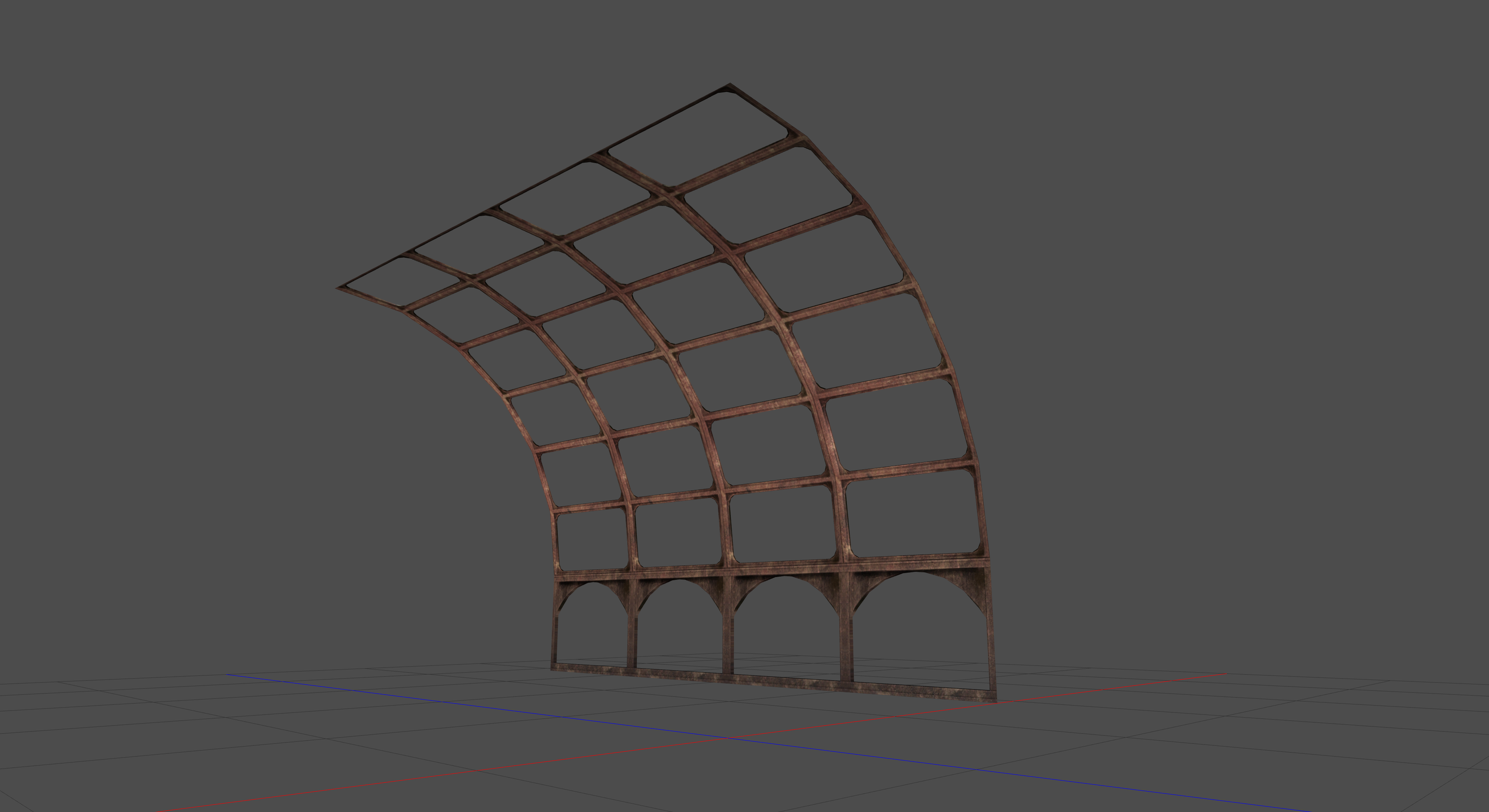
It’s quite clear from the texturing work on the glass here that these are following the Art Nouveau styling.
It actually took me a little while to track these down in one of the levels. At least the version of the model using the stylised glass. I’d spotted it while playing, then totally forgot where it was and wasted a good few hours feeling like I’d hallucinated it. Anyway, you can see an example of it used in the final game per the screenshot below.
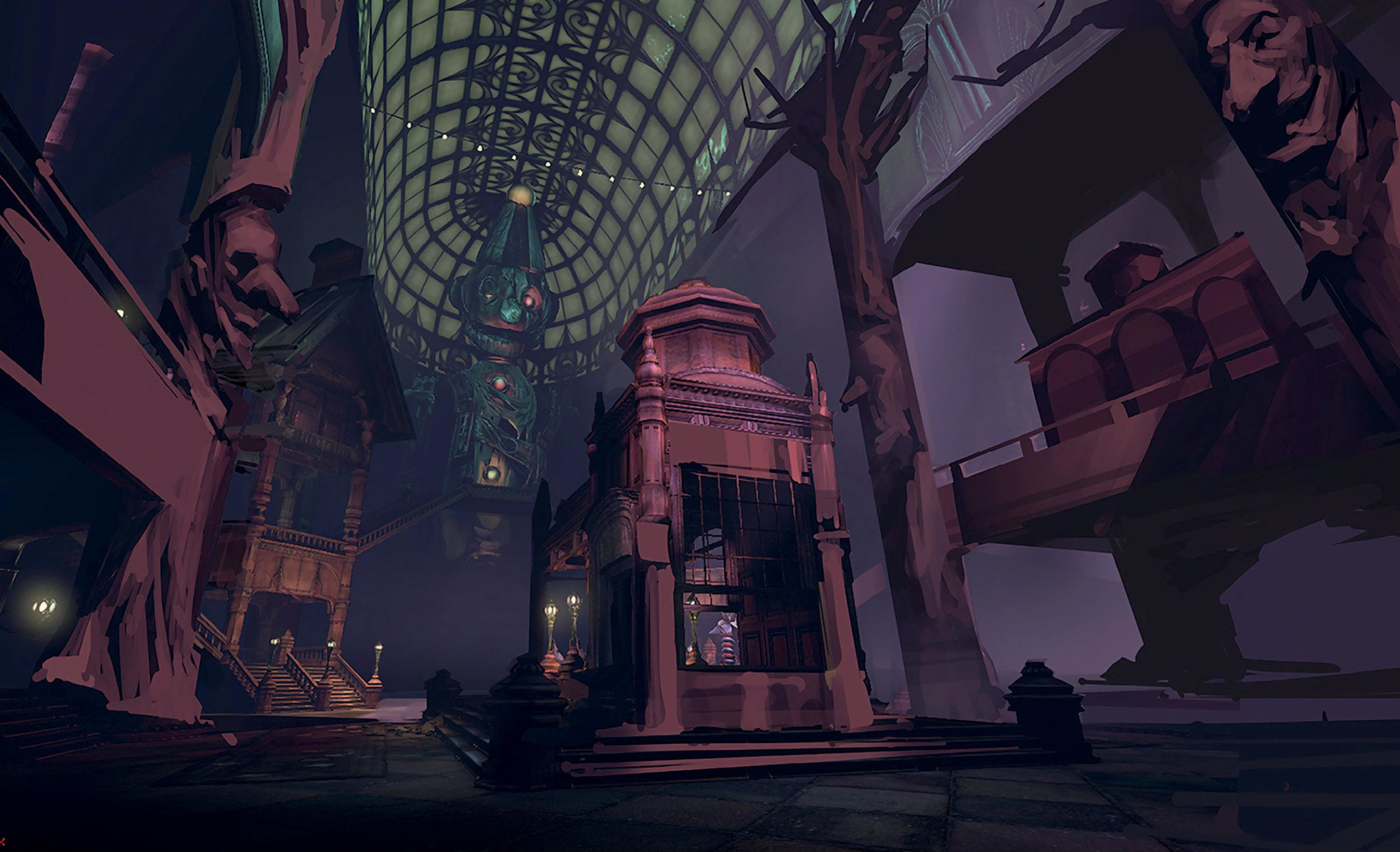
What caught me off guard a little bit with this one is that we can see this in the paintover we were looking at earlier, as you can see below. I don’t think a full on comparison is necessary here as it’s very obvious.
But that’s not all! We can also see what appears to be the same models in this very short clip from the earlier iteration of the game, shown at PAX East in 2011.
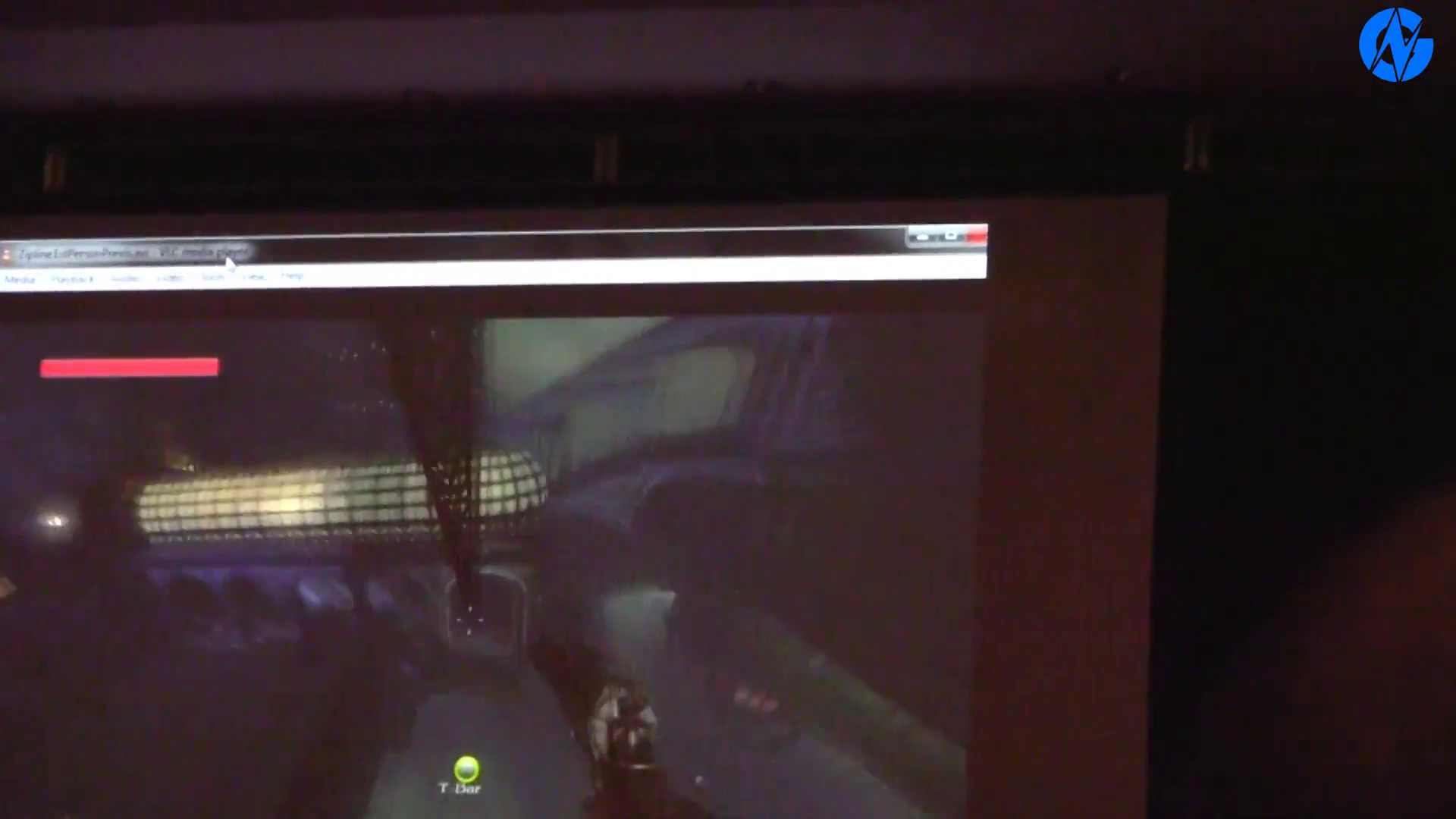
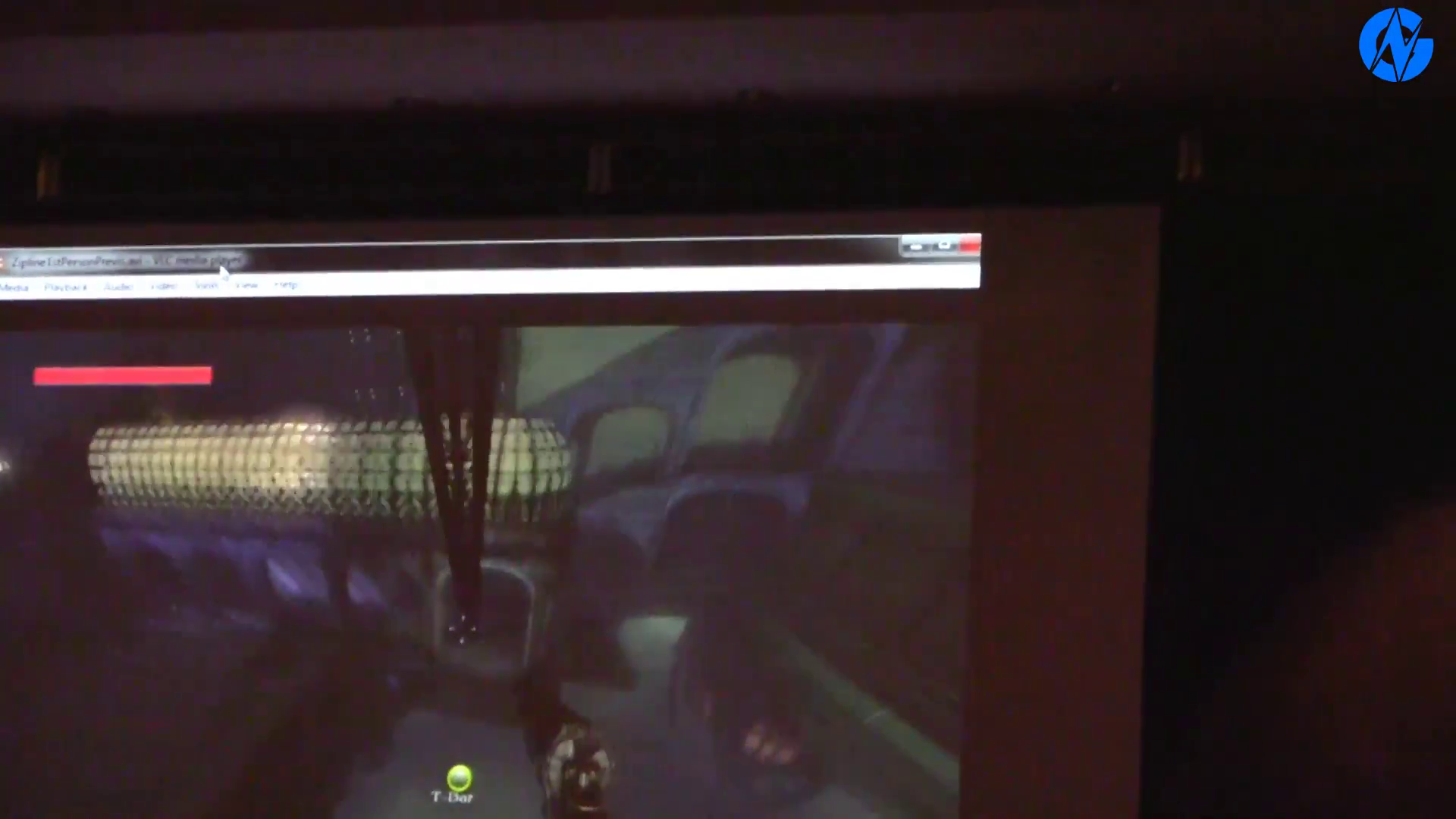
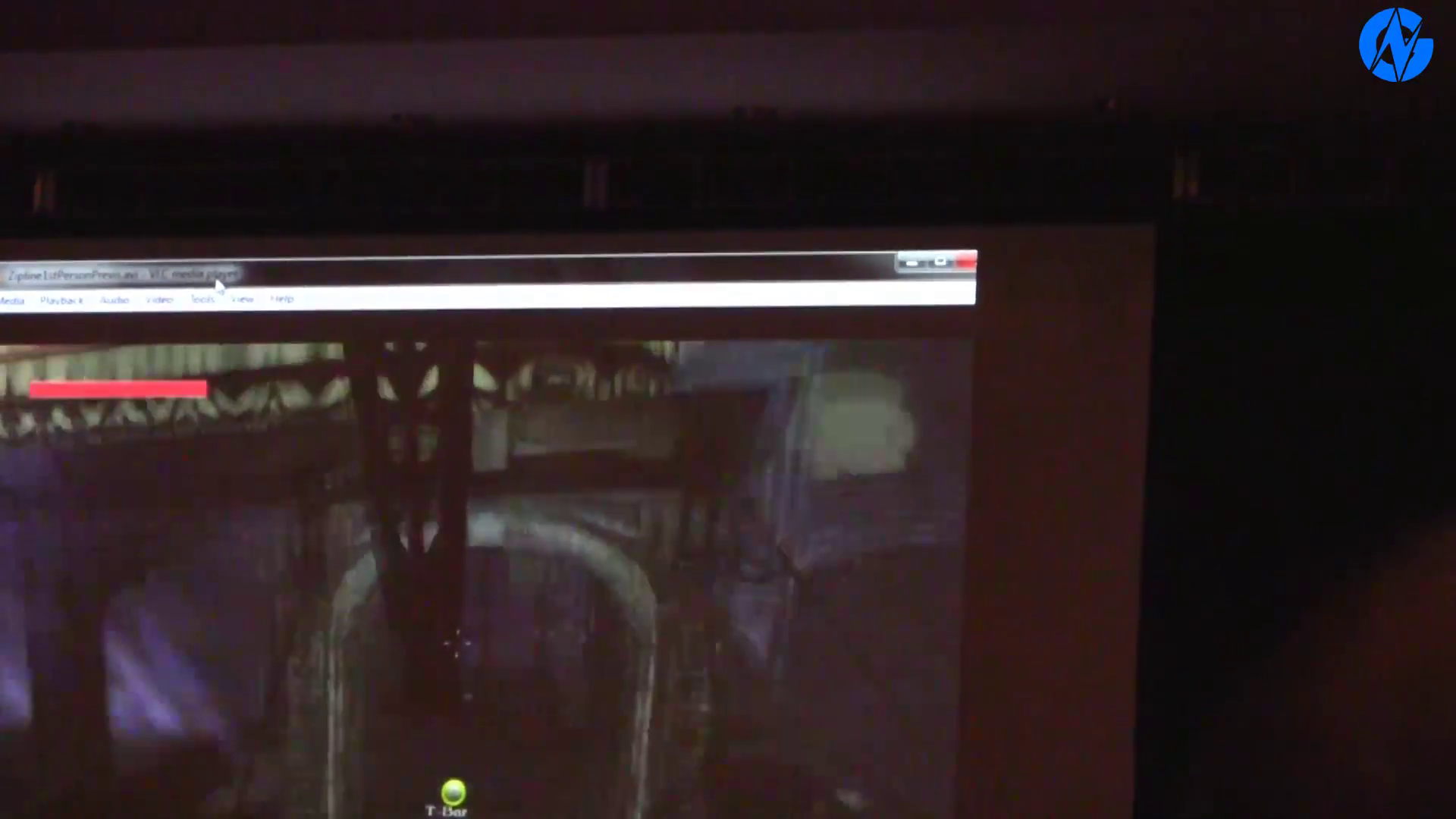
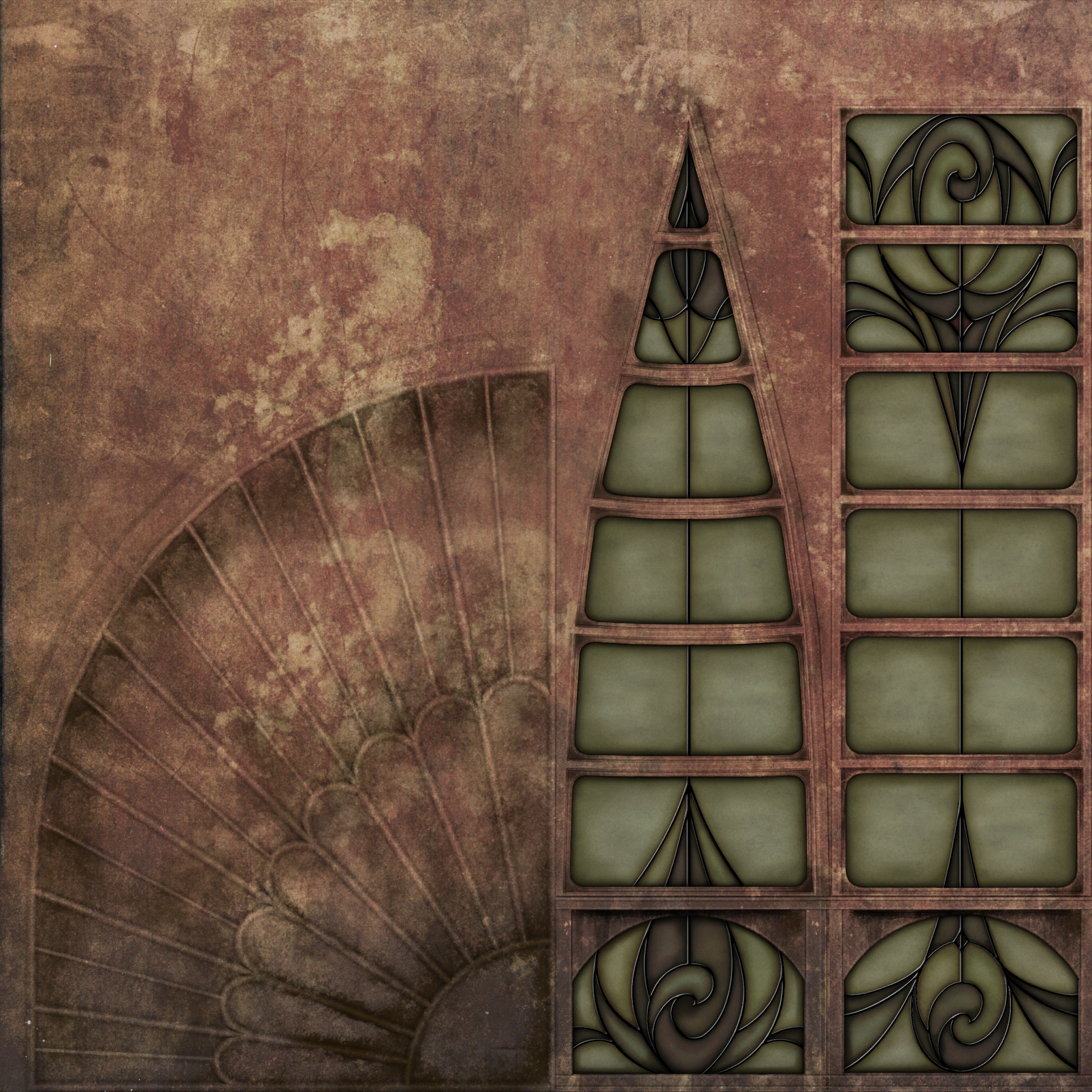
It’s notable that there’s a special end piece visible in the paintover and other images above, allowing it to curve round. This specific model doesn’t appear to exist in the final game, though there’s still a spot for it that remains in the texture sheet.
Tesla Coils
These took me a little while when I’d first looked at them, because they don’t really have any distinct look going for them, so didn’t really pass the initial style test.
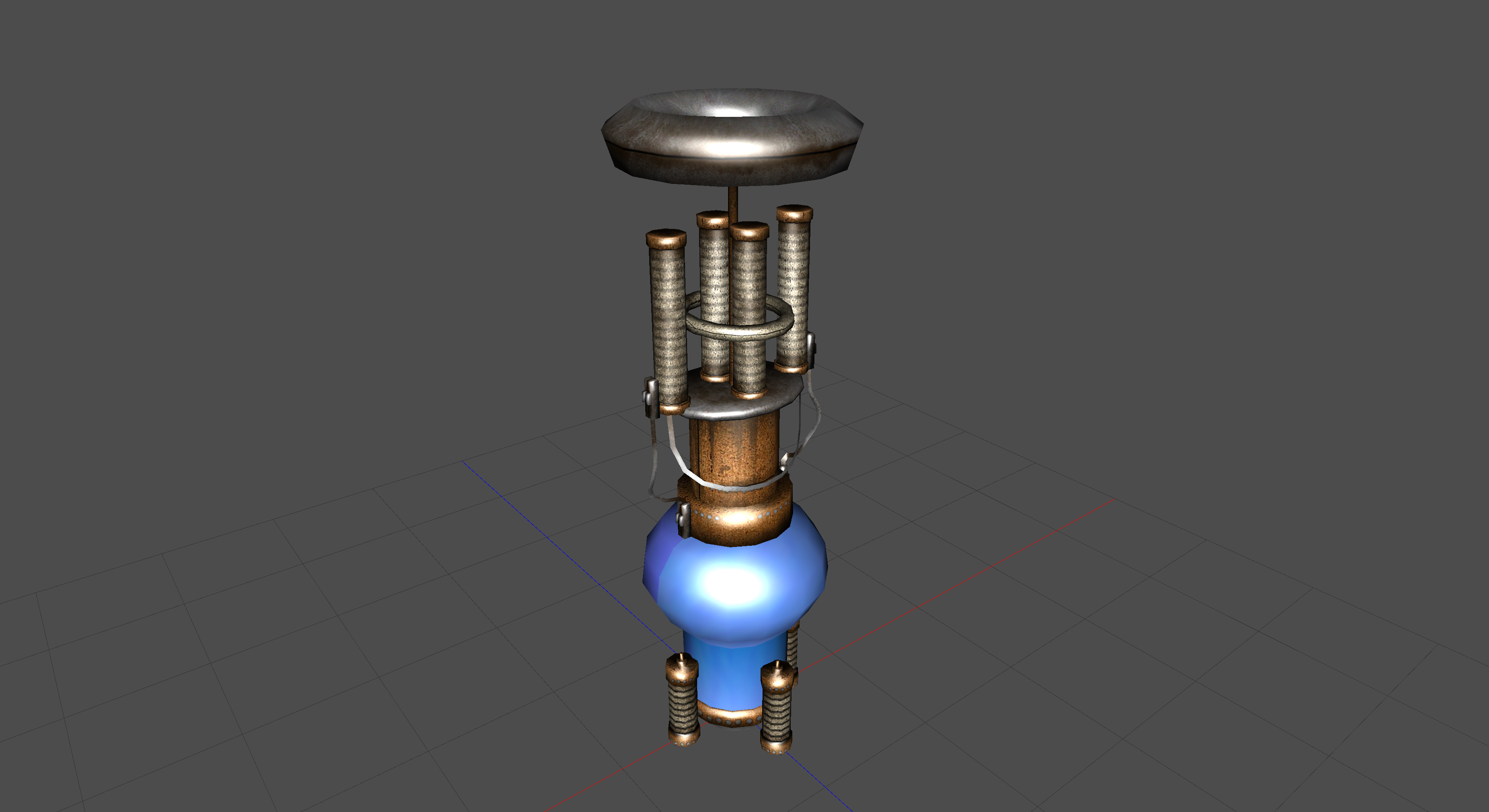
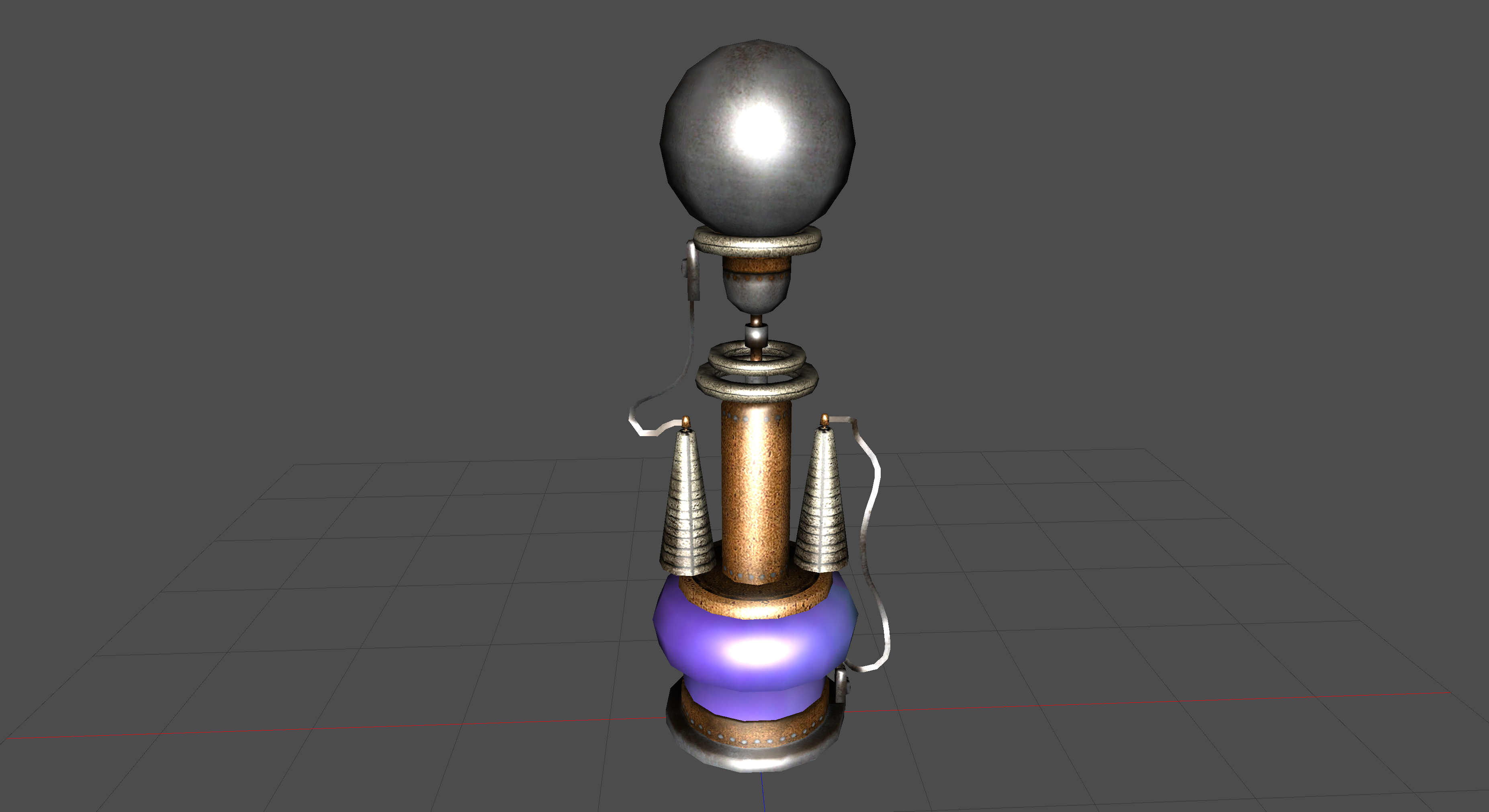
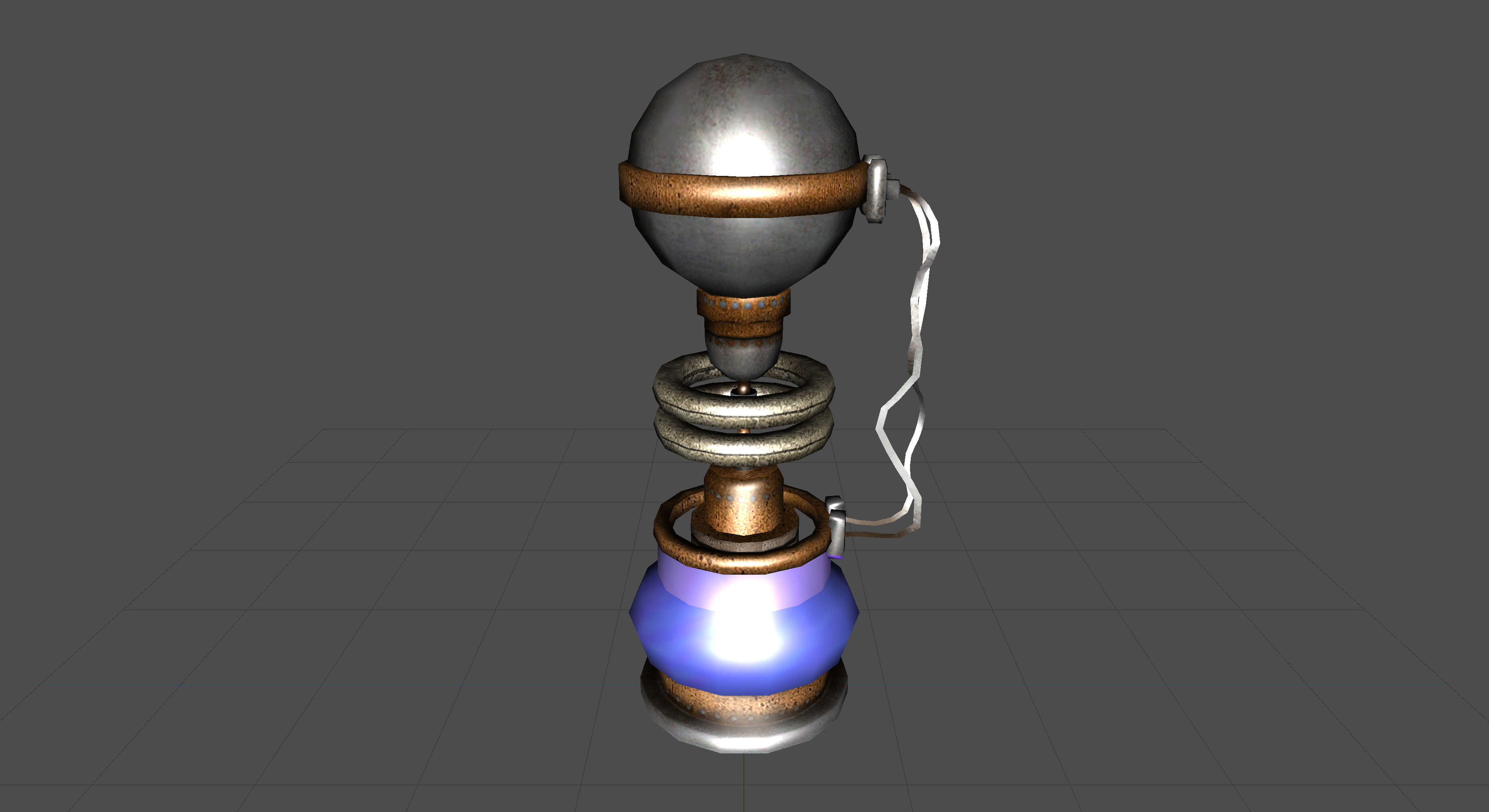
There were tesla coils visible in the earlier screenshots of Infinite, but did they really match? They certainly looked similar. And eventually, yeah, I did conclude at least one of them is most certainly the same model.
Below is another poor attempt at an overlay, apologies!
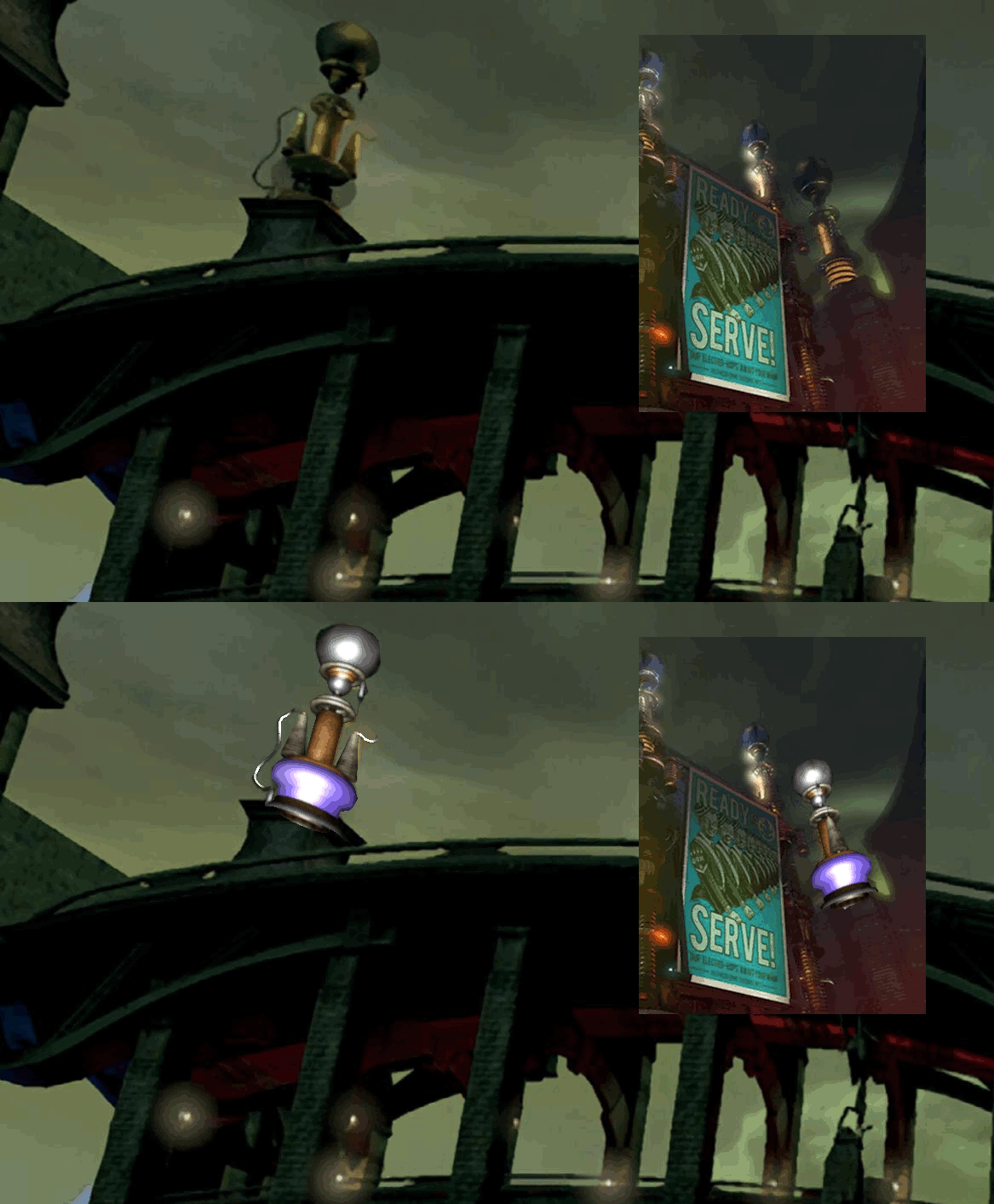
So while these don’t fall under the Art Nouveau style, they do appear to be yet another asset certainly carried over from the earlier iteration of the game.
These are particularly hard to match up due to the models having a lot more going on, often scaled up and down to various proportions, and the few screenshots we’ve got are not showing them fantastically clearly.
Here’s how they actually look in the final game. You’ll notice much like those earlier screenshots, the glass bulb near the bottom of the coil is supposed to be see-through.
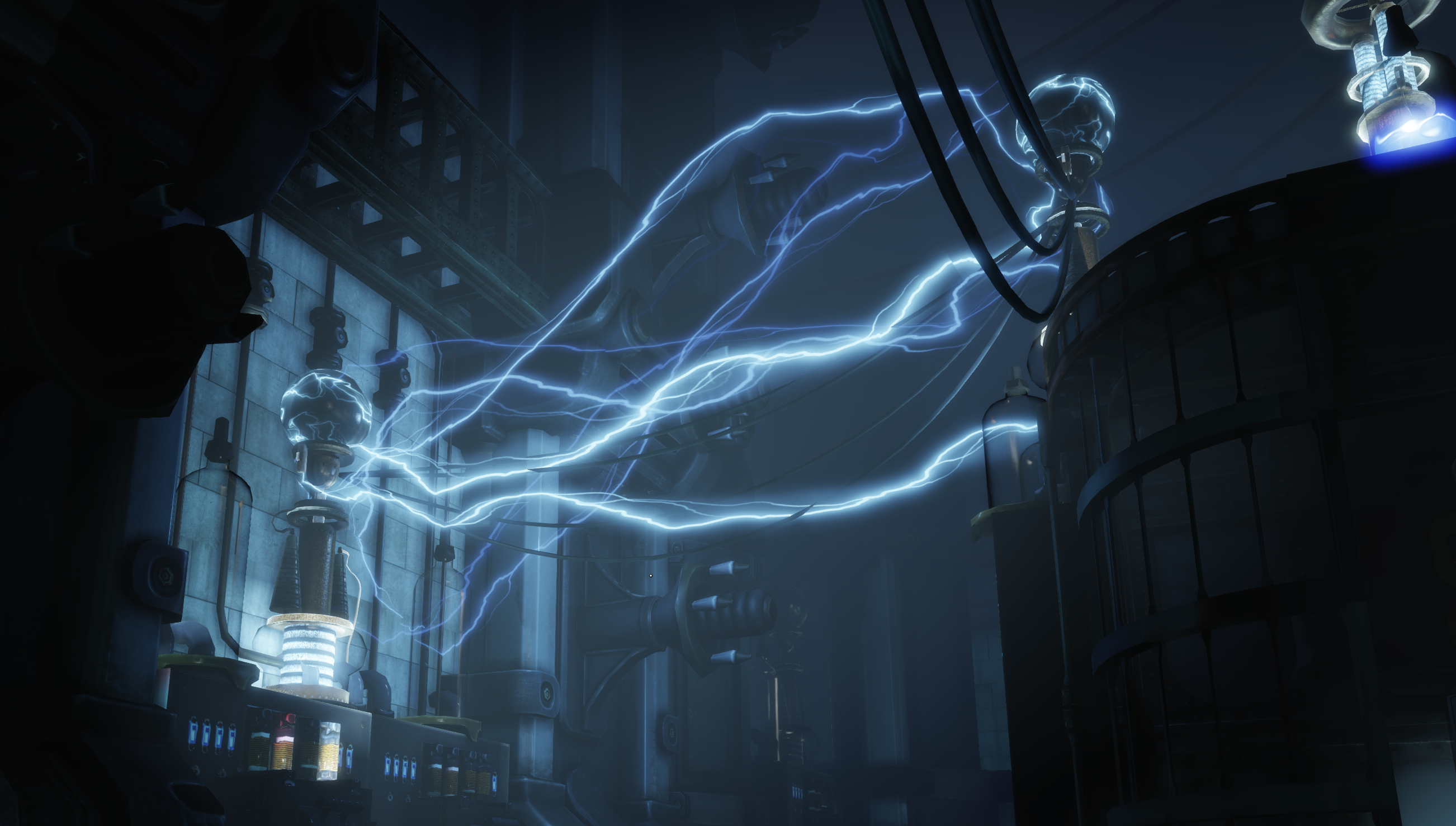
One thing perculiar in this screenshot is that it looks like there are possibly other variations that are not in the final game?
What stood out to me was this detailing, which isn’t visible with the models we’ve got.
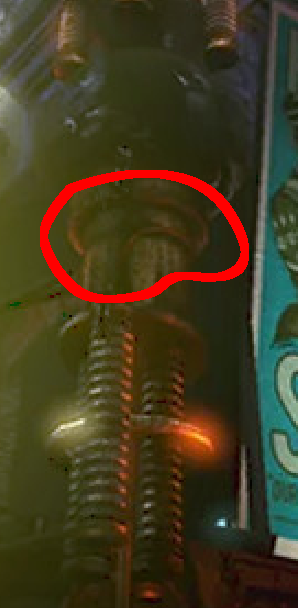
Well, unless I’m mistaken anyway. That’s enough about tesla coils.
Weapons
This is already documented elsewhere, but for those that don’t know, the older third-person variation of the machine gun featured in the Gibson Girl clip is still amongst the models in the final game, as seen below.
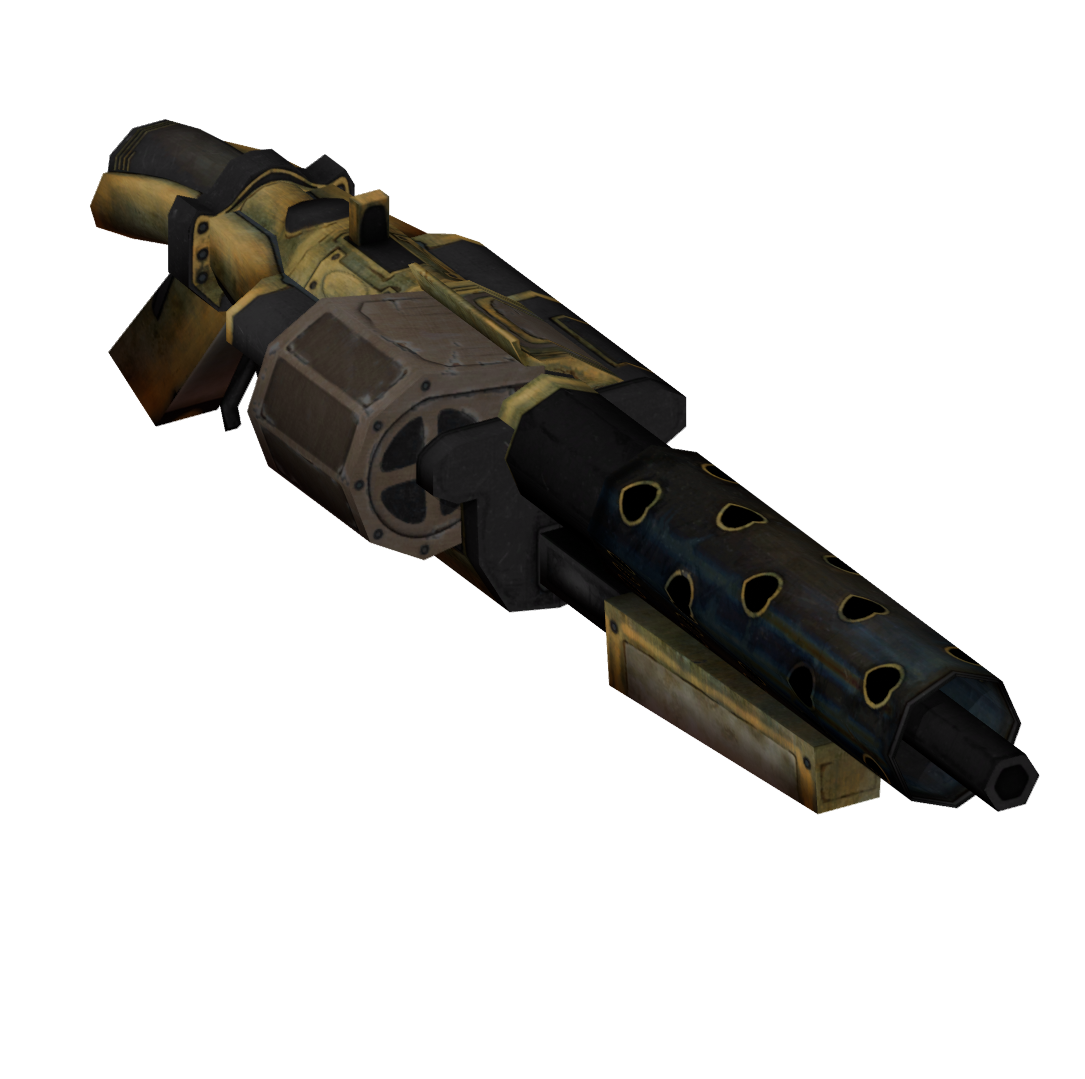
This is under a Weapons_Trashcan set, so, I guess they had already scrapped it but for whatever reason it still ended up being included.
The machine gun that ended up being used in the game has the same model name but is prefixed with “new”, so it was quite explicitly created to replace this older design.
Another weapon that survived, as you may have noticed earlier if you have a keen eye, is the Hand Cannon! We can see it featured in the PAX East 2011 clip from earlier (though in this instance I pulled these images from GameSpot’s feed, as it’s slightly clearer there).
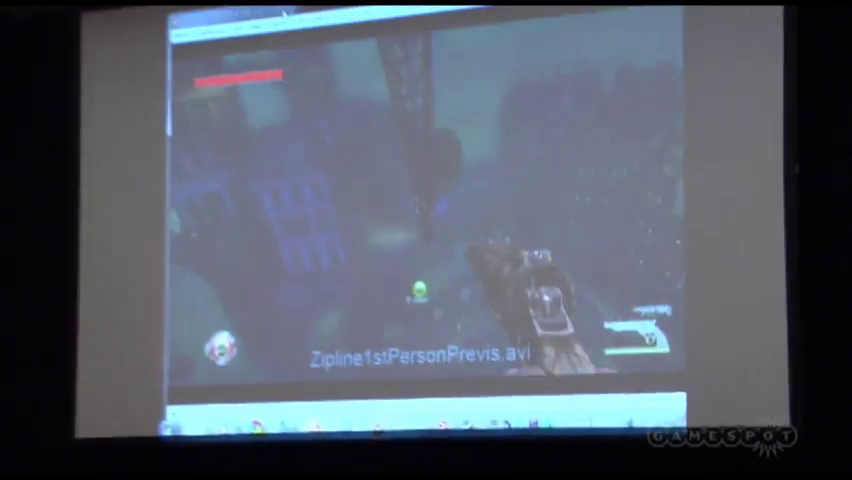
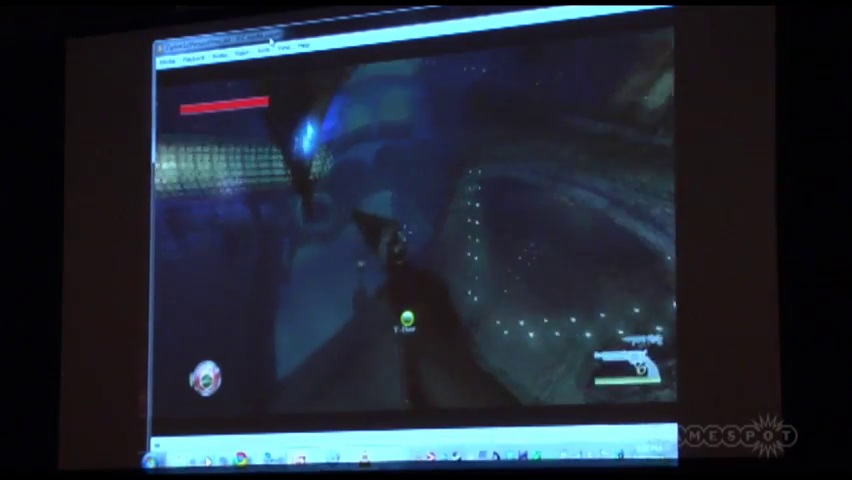
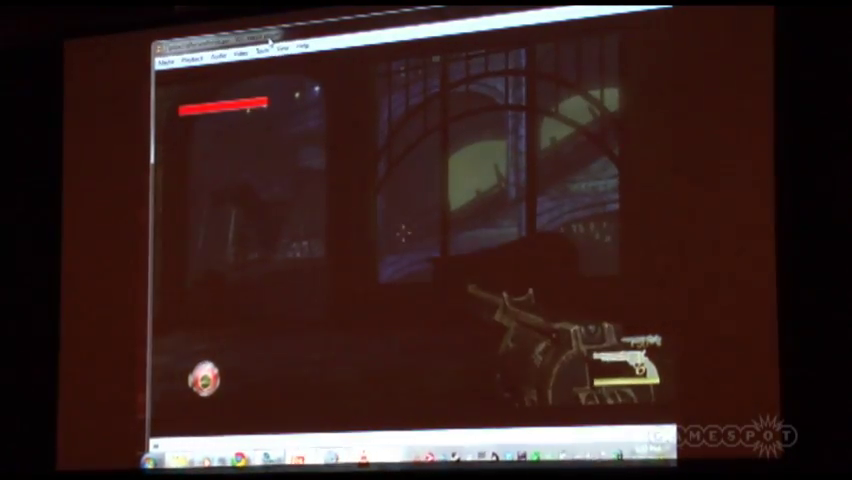
Though the textures seem to have been altered since this point in development.
It also shows up in a short, clearly early, clip, during Shawn Robertson’s GDC presentation, Creating Bioshock Infinite’s Elizabeth, here.
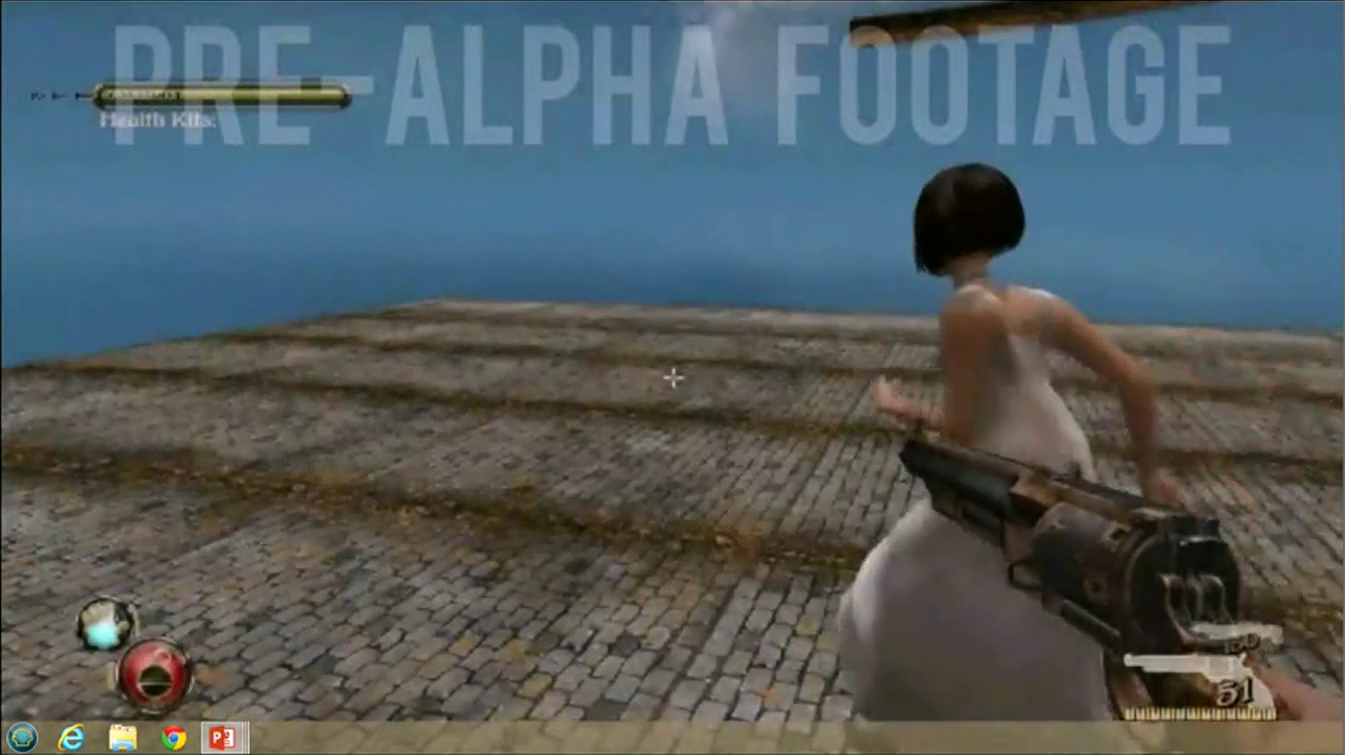
This certainly looks like the same texture in use in the PAX East 2011 clip, so gives us a better look at it. Generally, it looks incredibly similar to the final Hand Cannon design from what little can be made out. Just generally more dull-looking, though this could just be down to lighting.
Awning
Thought I was done? So did I… There’s an awning model in the game with different textures.
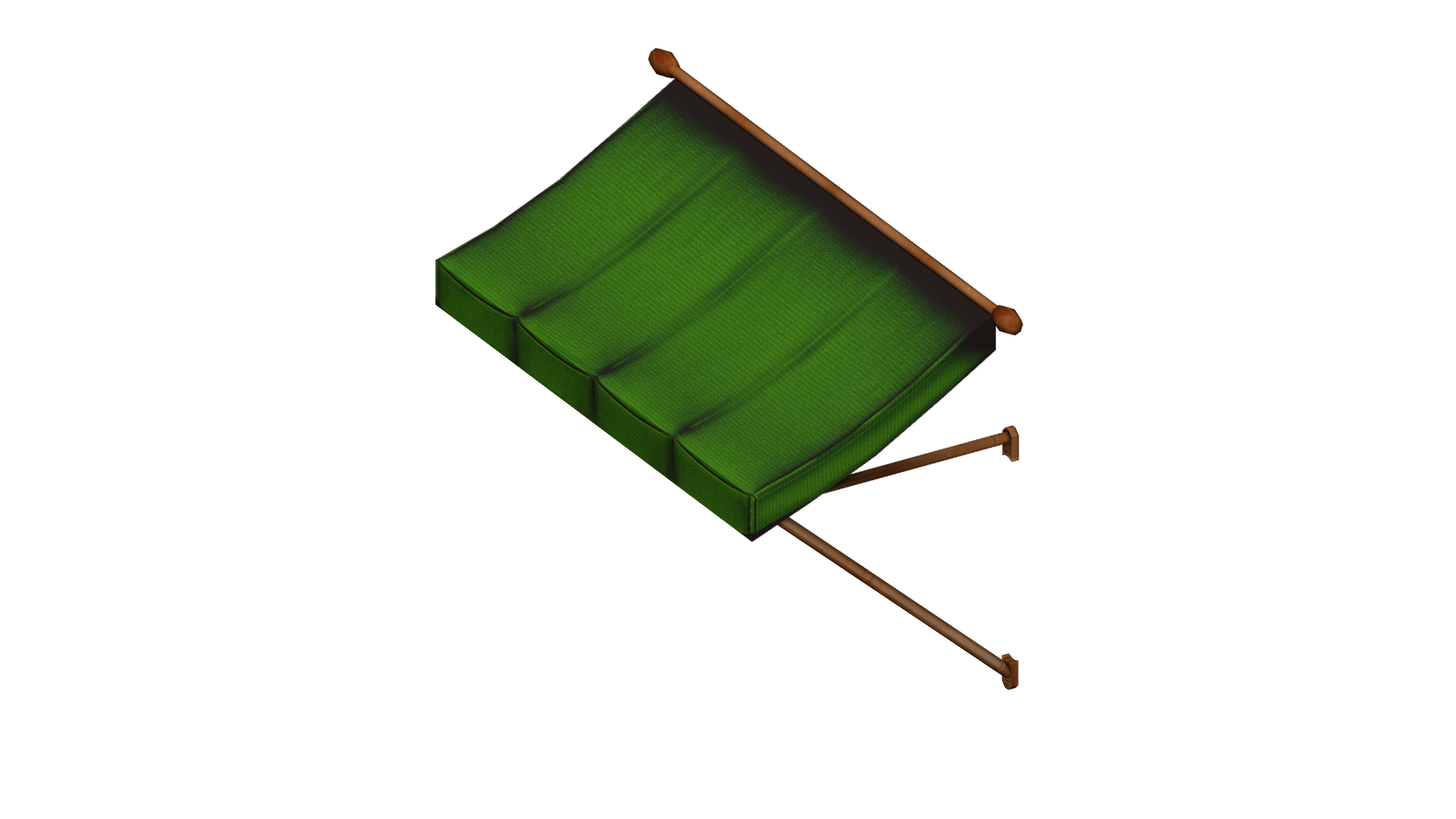
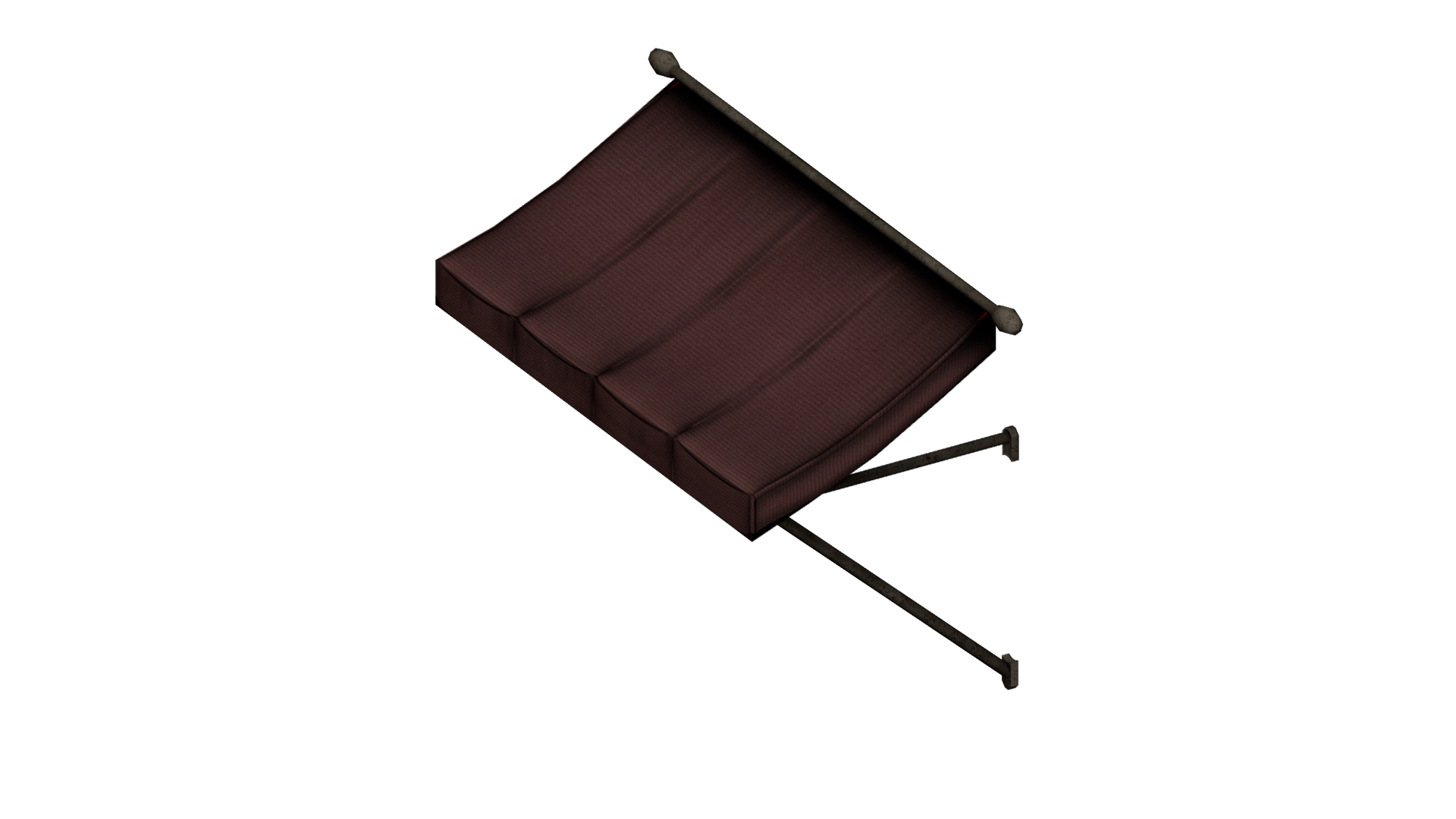
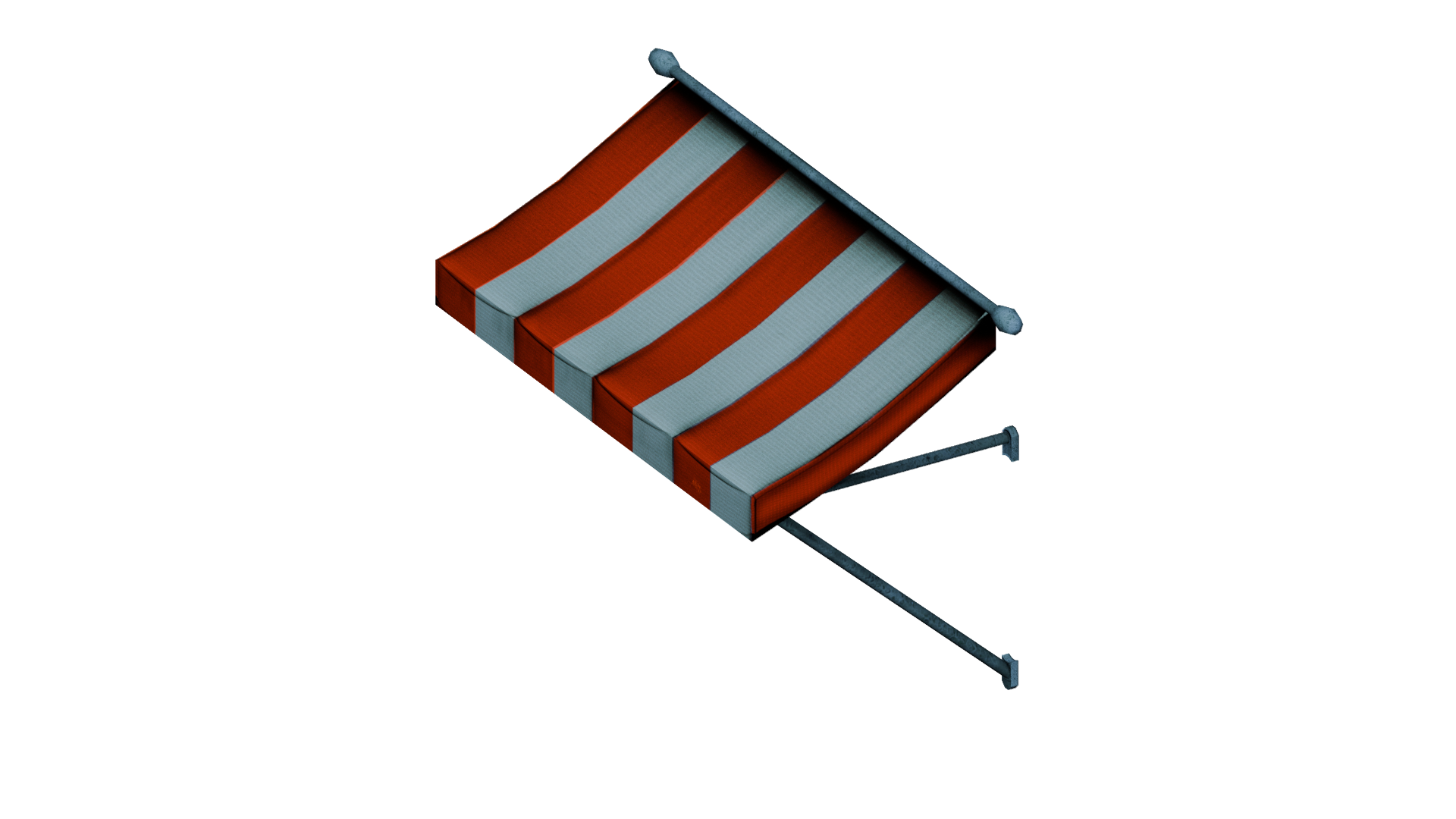
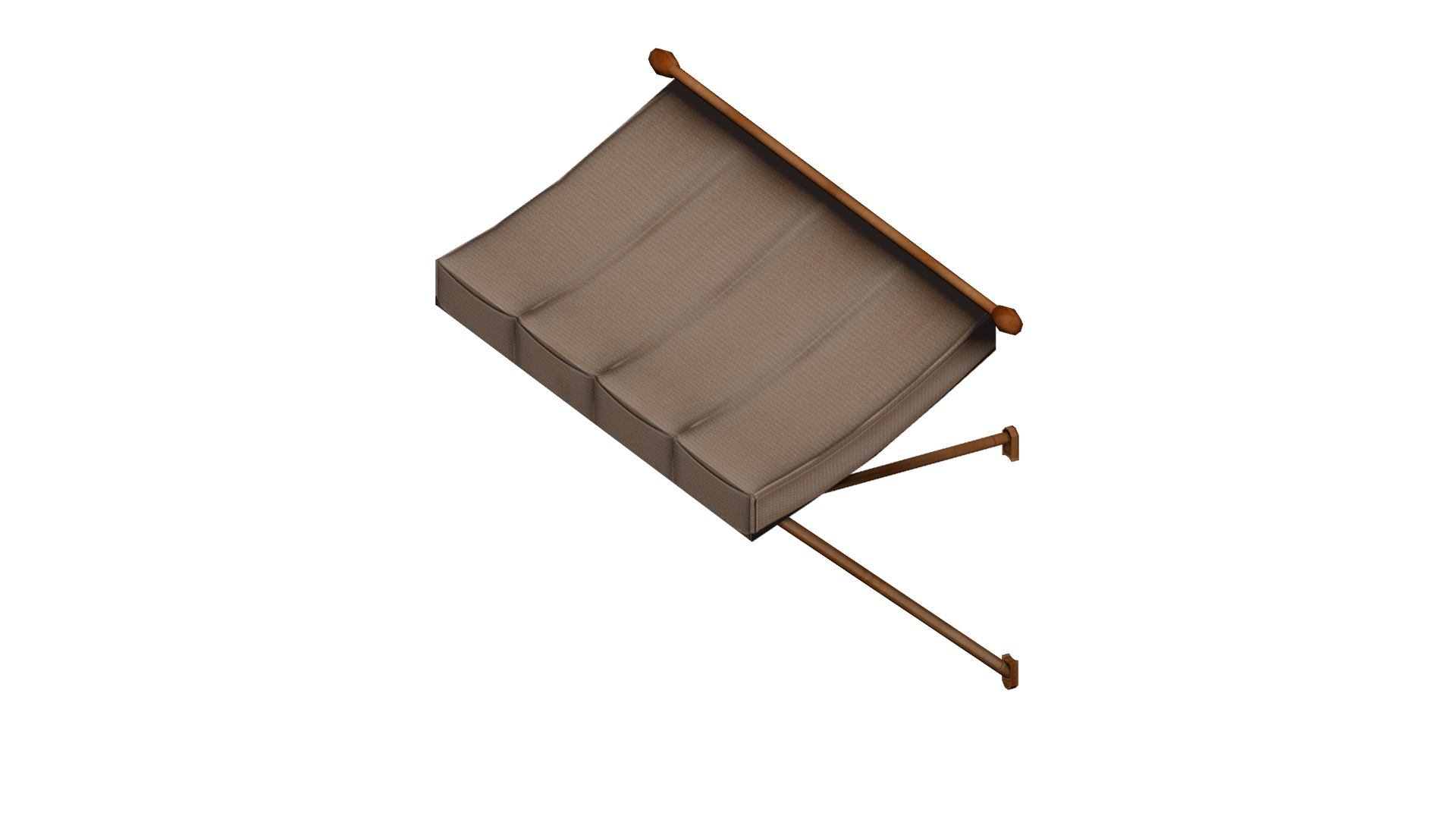
The dark red awning seen above appears to be visible in the screenshot here. Due to the perspective in the screenshot, it was too difficult to do a proper overlay for this one, but I’m fairly certain it’s the same model.
So this appears to be another one that was carried over. Which, much like the interior set we looked at earlier, isn’t too surprising as it still fits in well.
Special Mentions
For the sake of time, I’ll just quickly run through some things that didn’t seem worth having entire sections about. These are mostly things that look like they might have come from the Art Nouveau iteration, but I can’t really prove it with any sort of solid comparison.
Planter
Another fairly distinct one, but only a couple of models appear under this set, appearing to only utilise the top part of the texture sheet, implying that other models are actually missing.
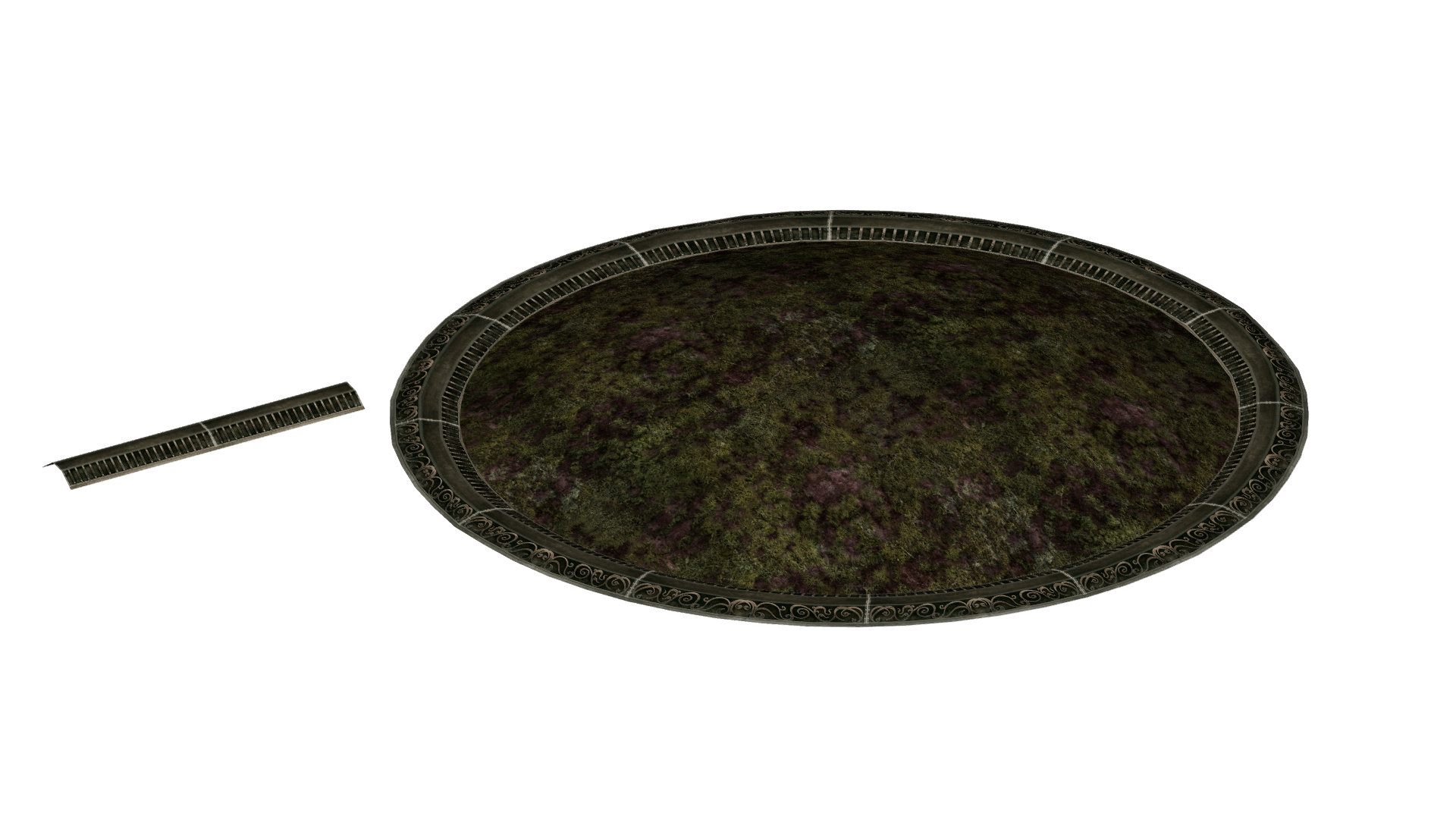
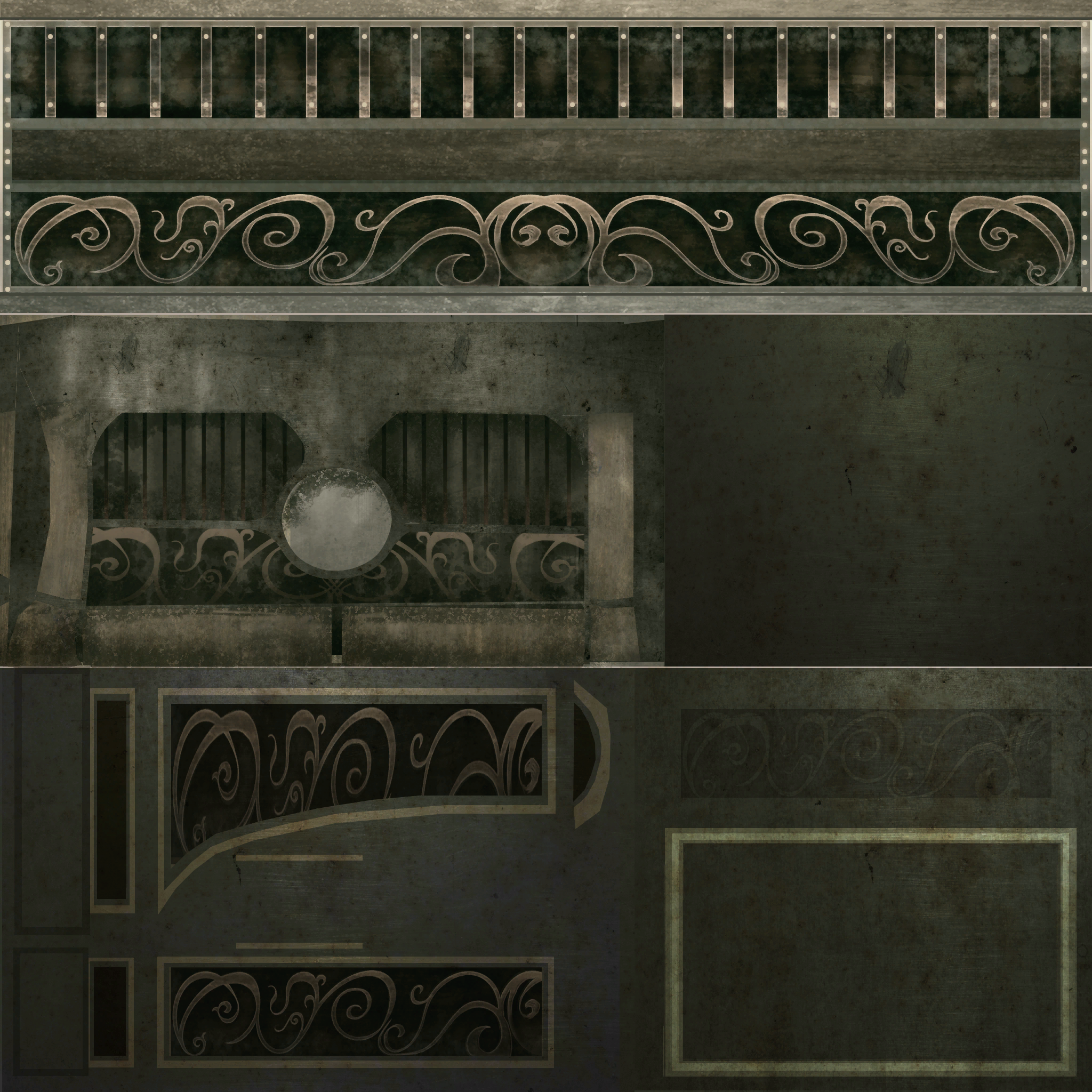
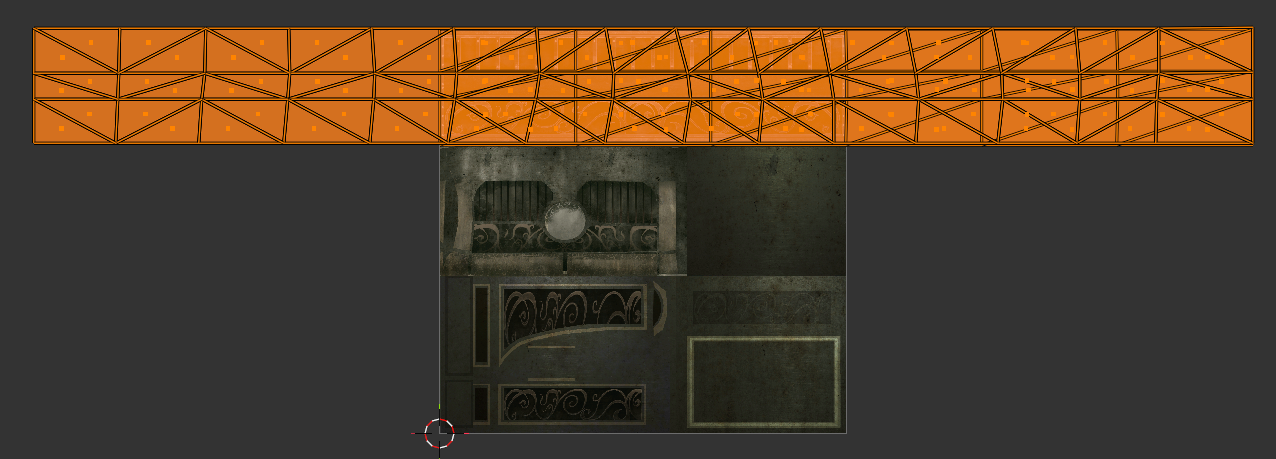
Worth adding the circular model in the first image does appear in the September 2010 footage as well, very briefly.
Bar Set
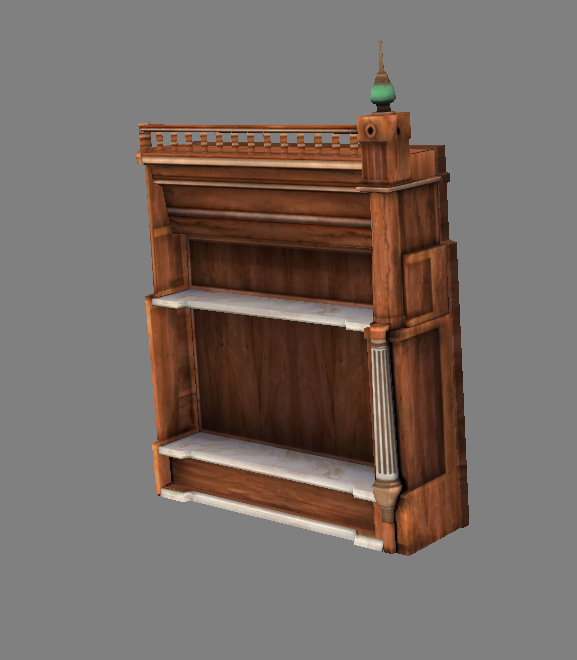
These I strongly suspect comes from the earlier era of development. Some of them appear in at least the September 2010 footage but unfortunately, aren’t visible in anything earlier. Hence, why they’re here under special mentions.
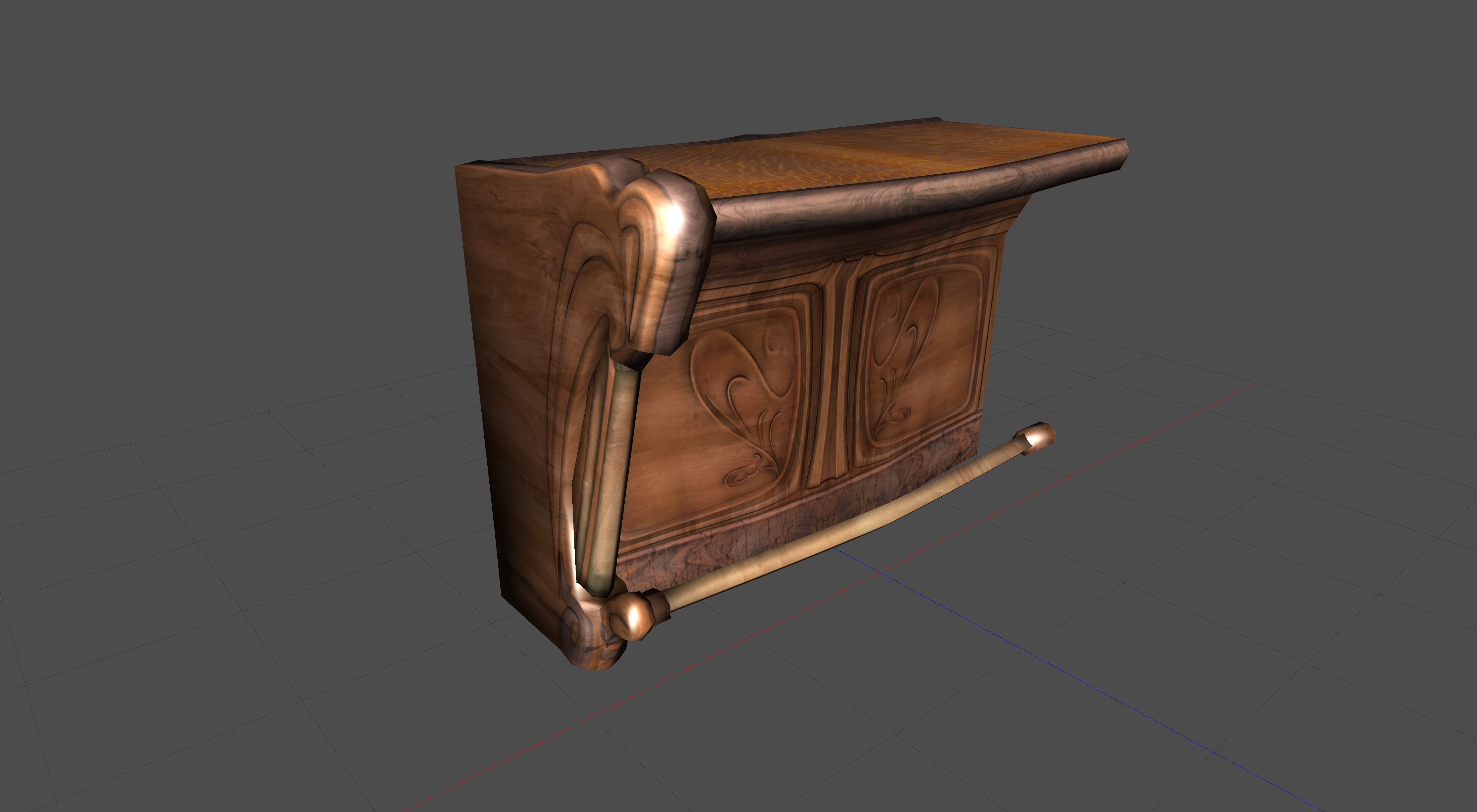
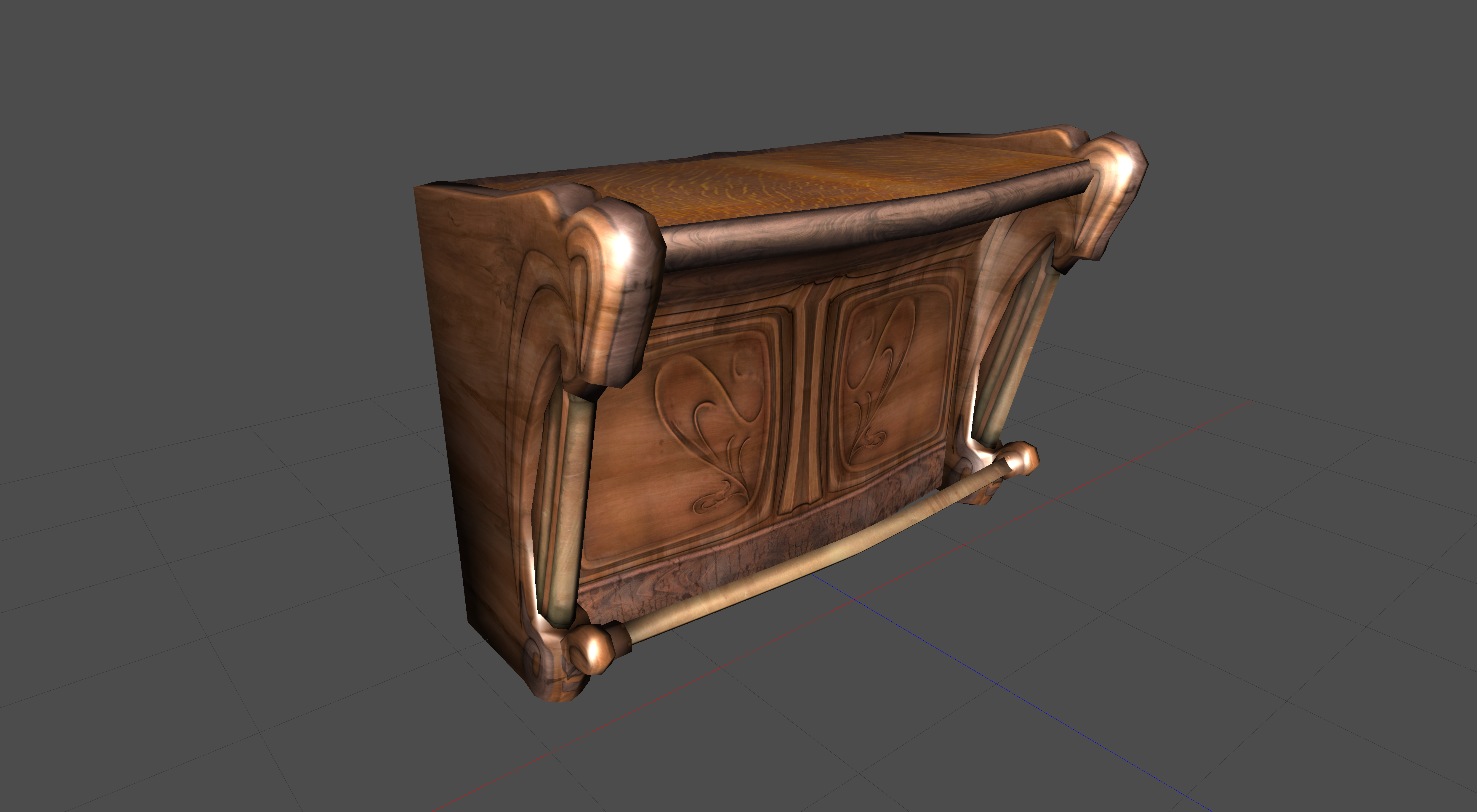
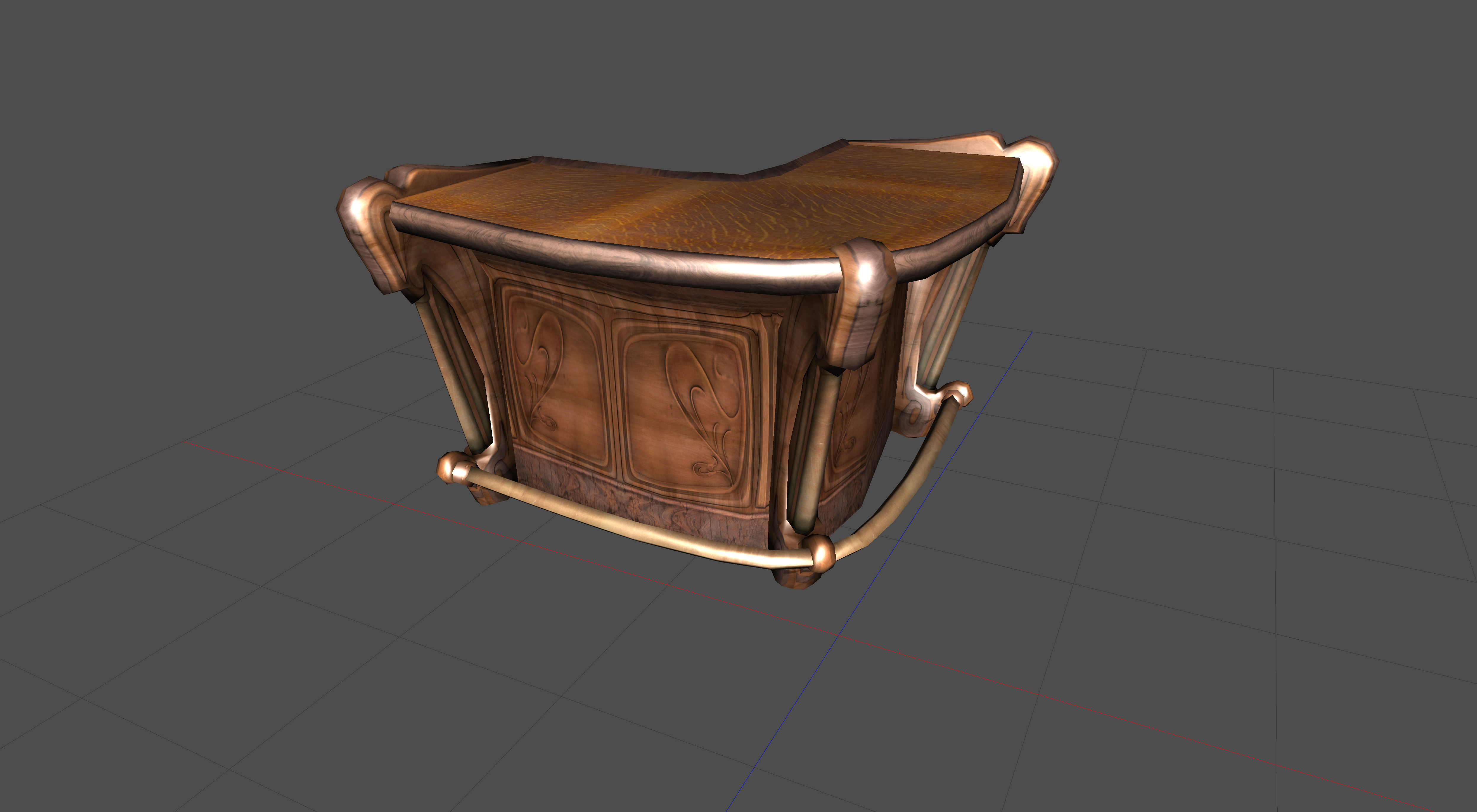
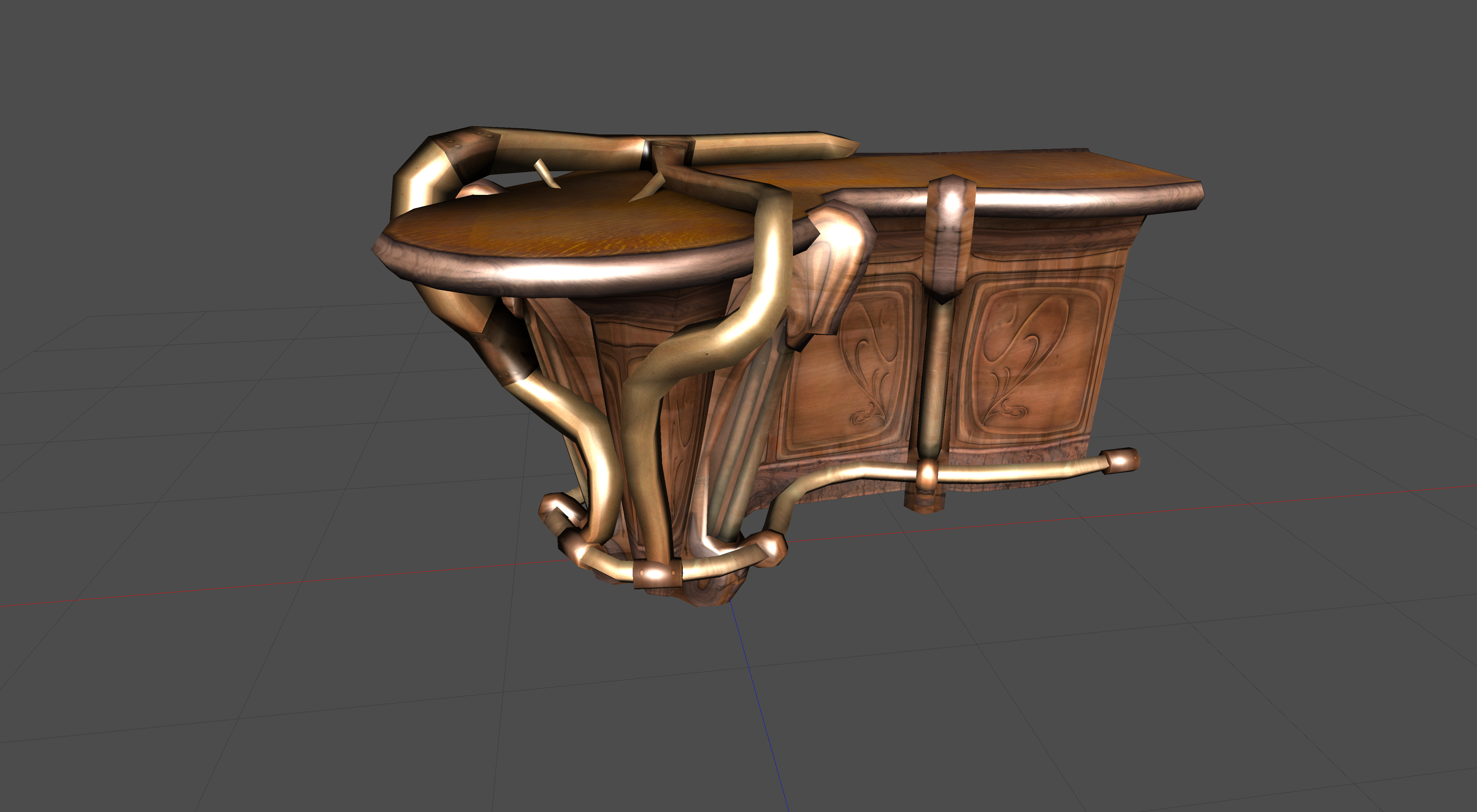
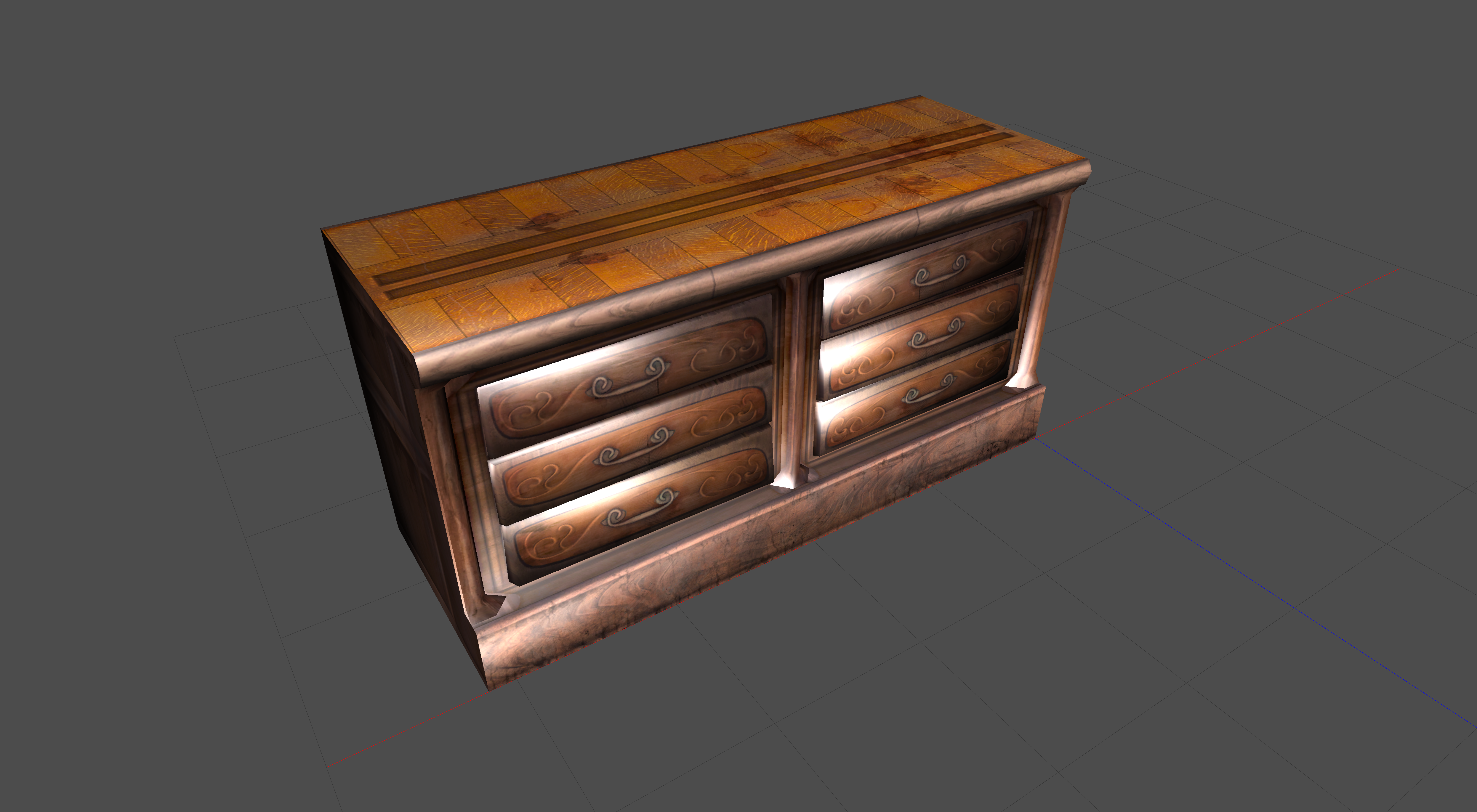
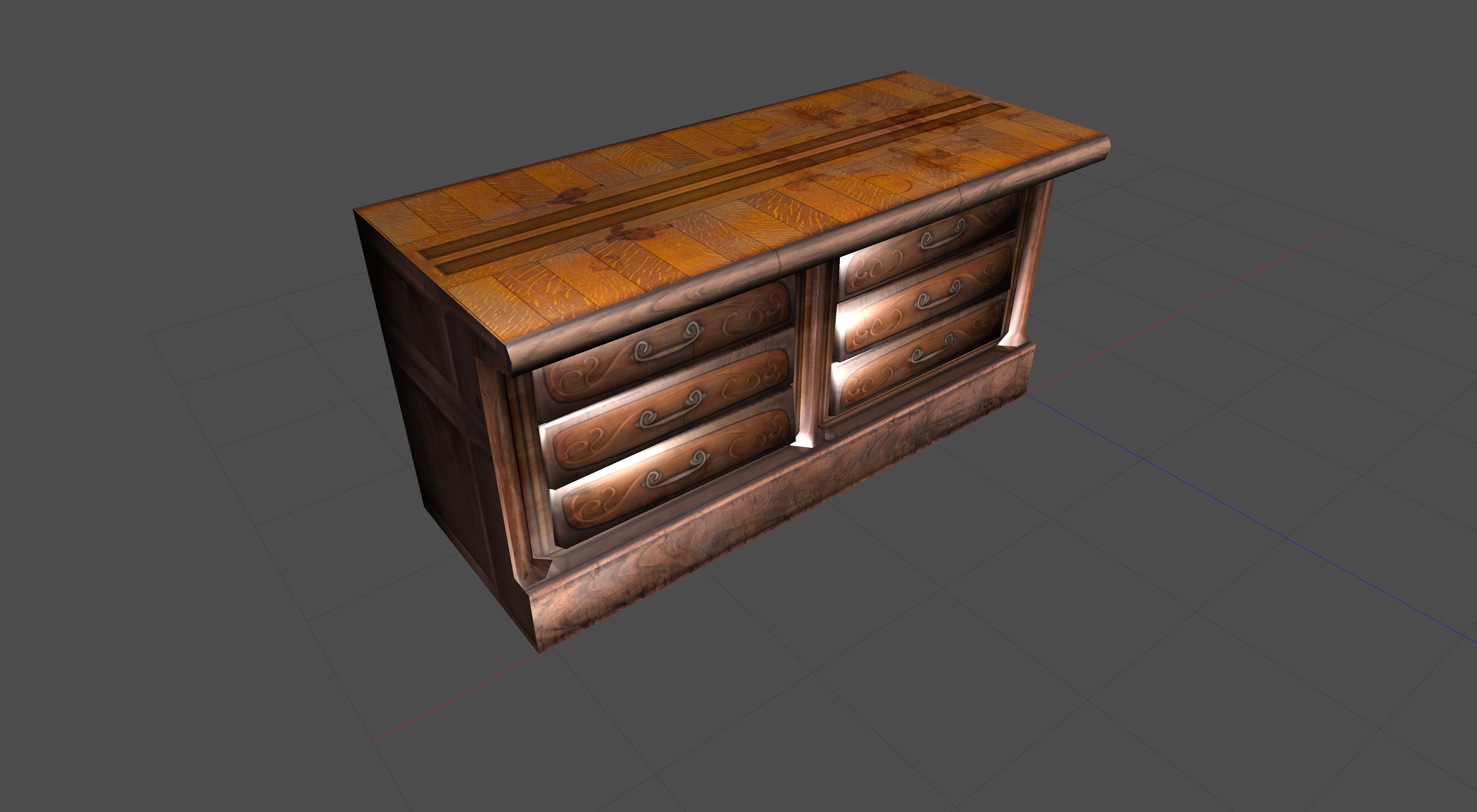
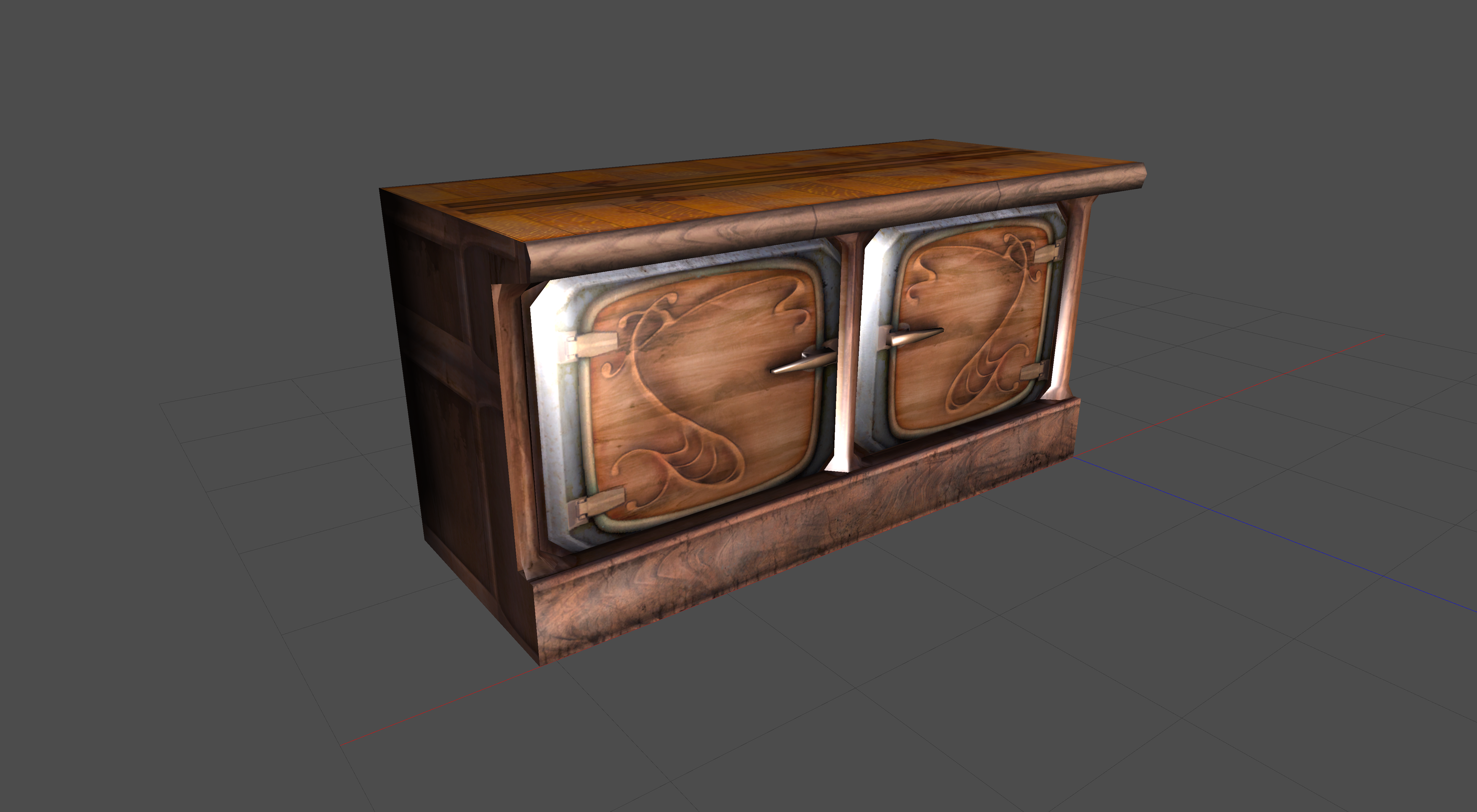
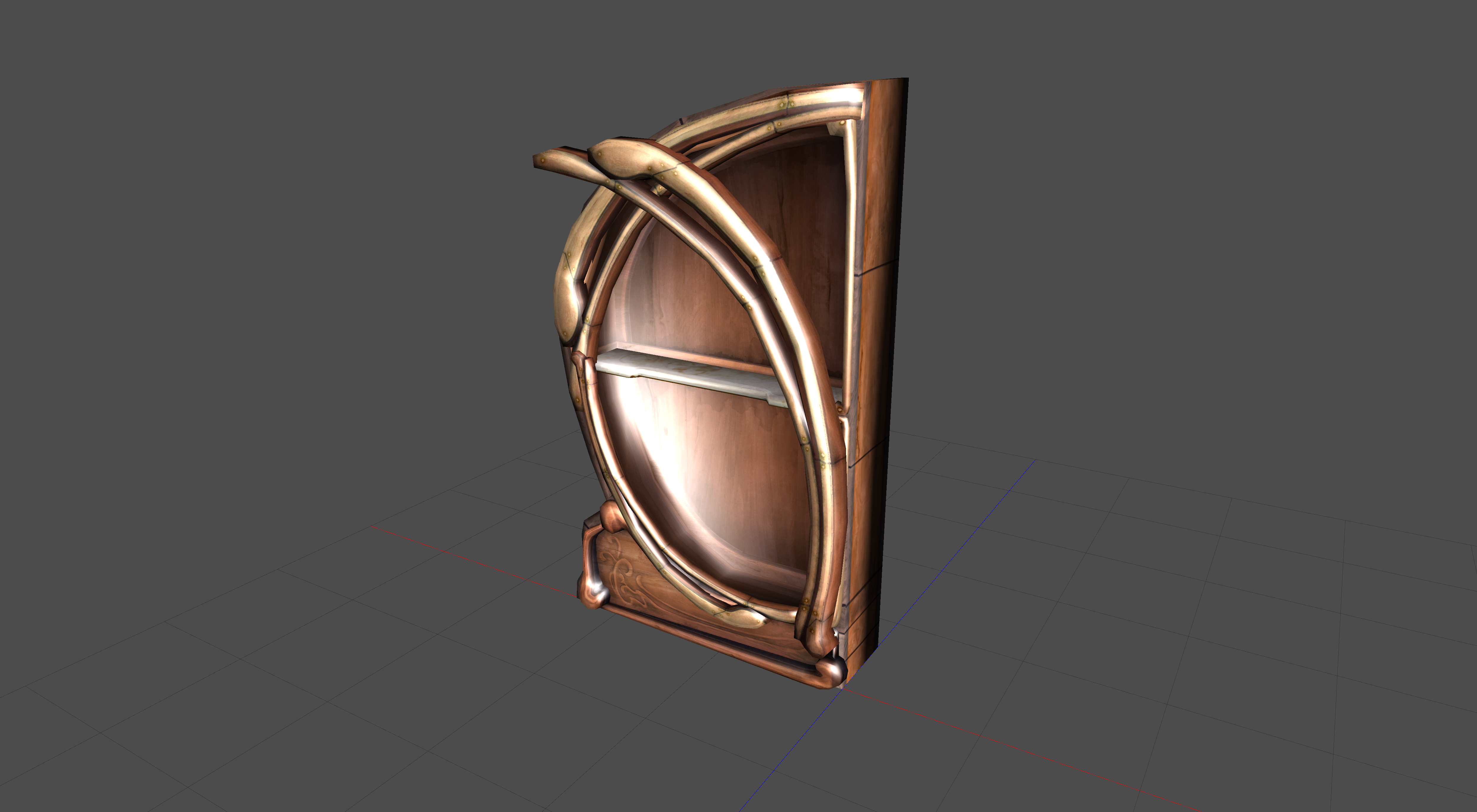
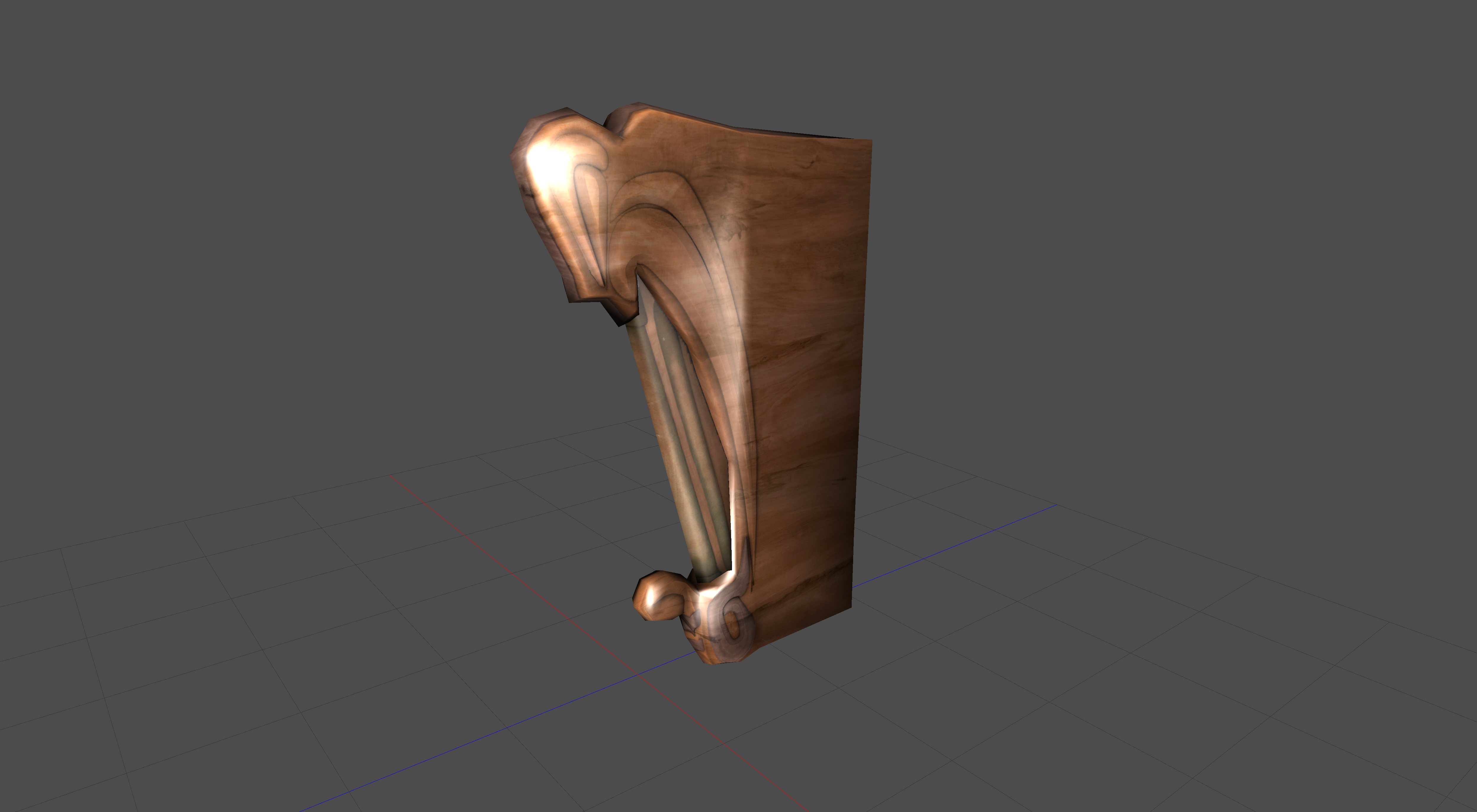
Once again, a very popular set in Columbia.
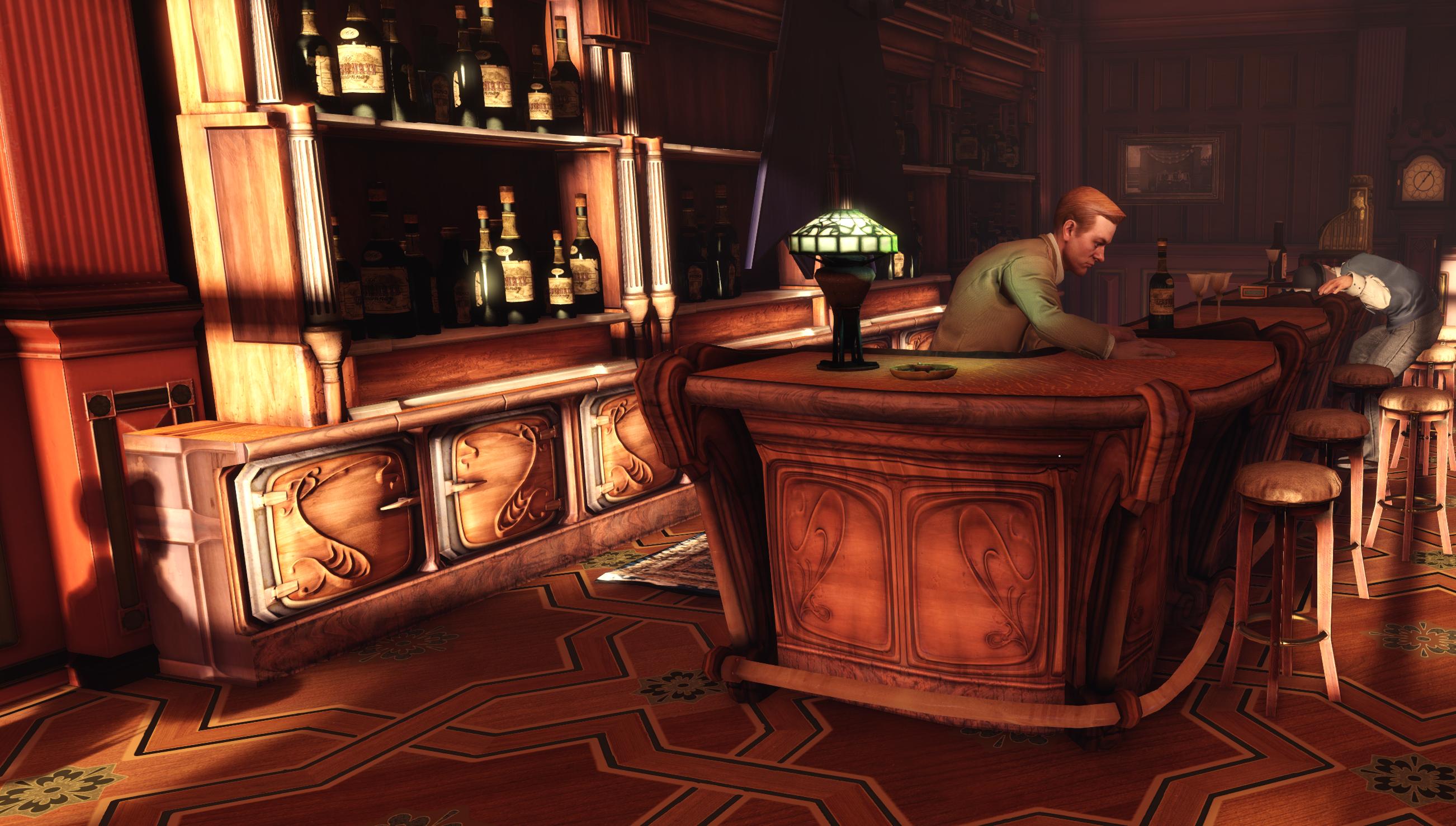
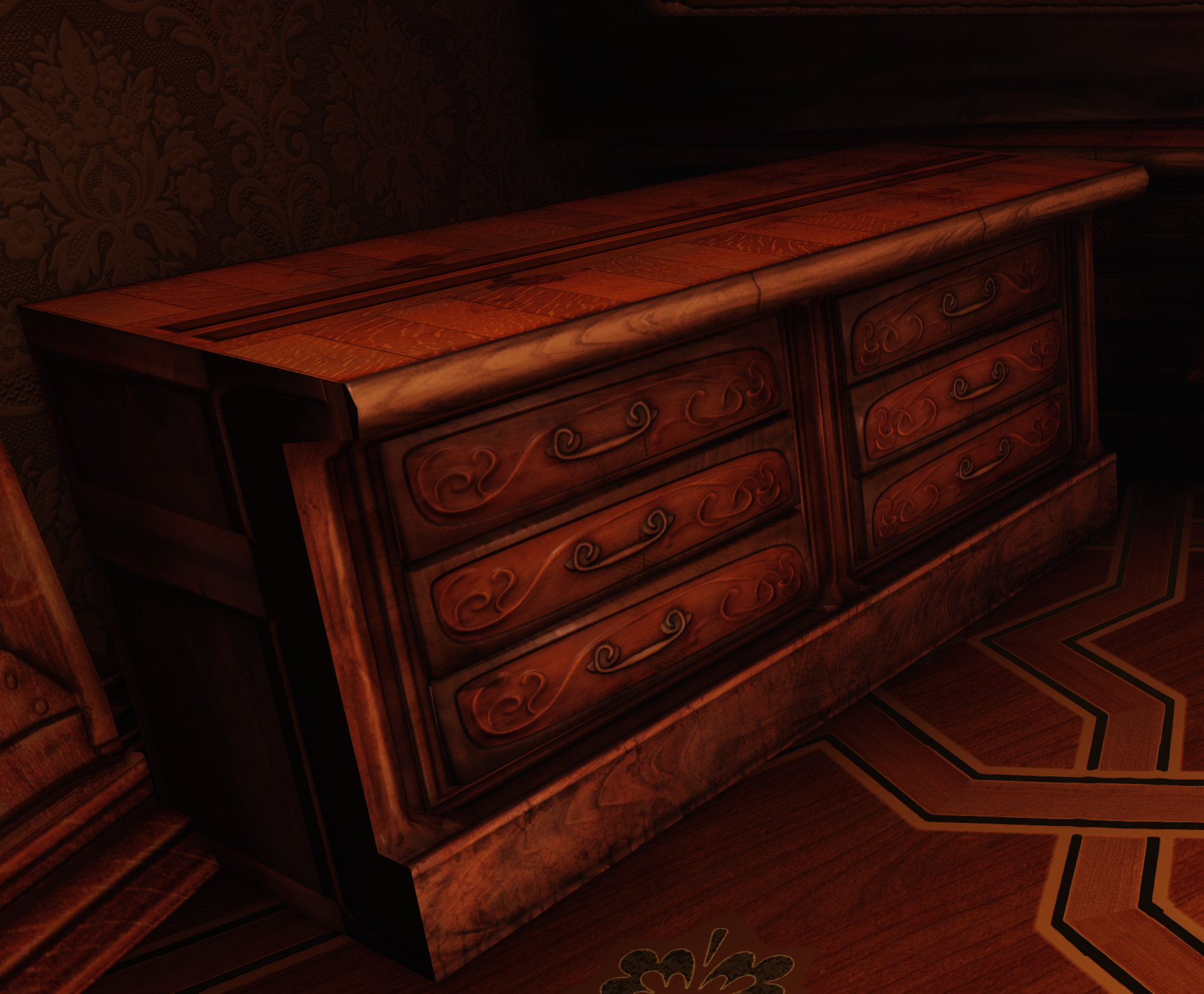
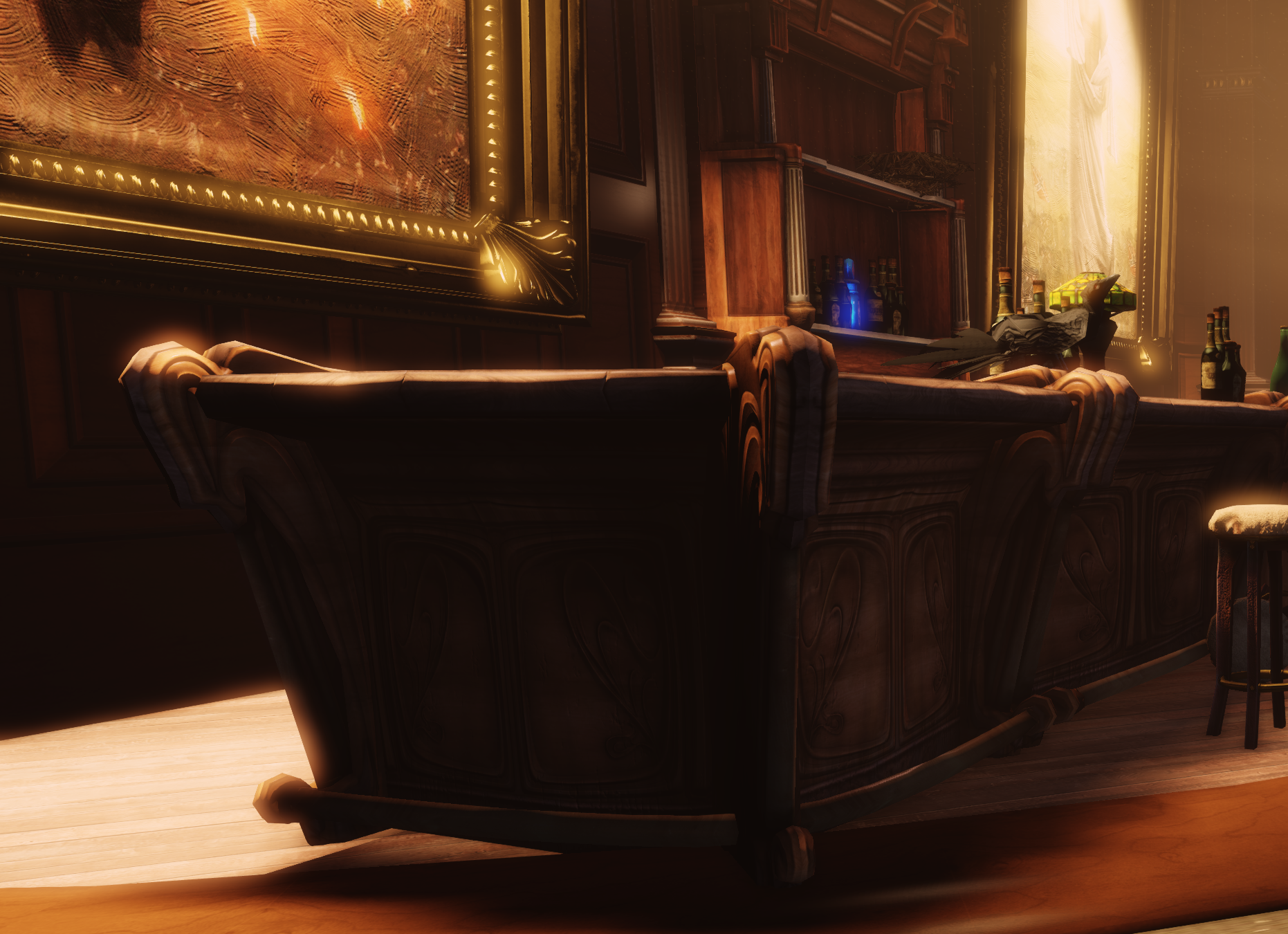
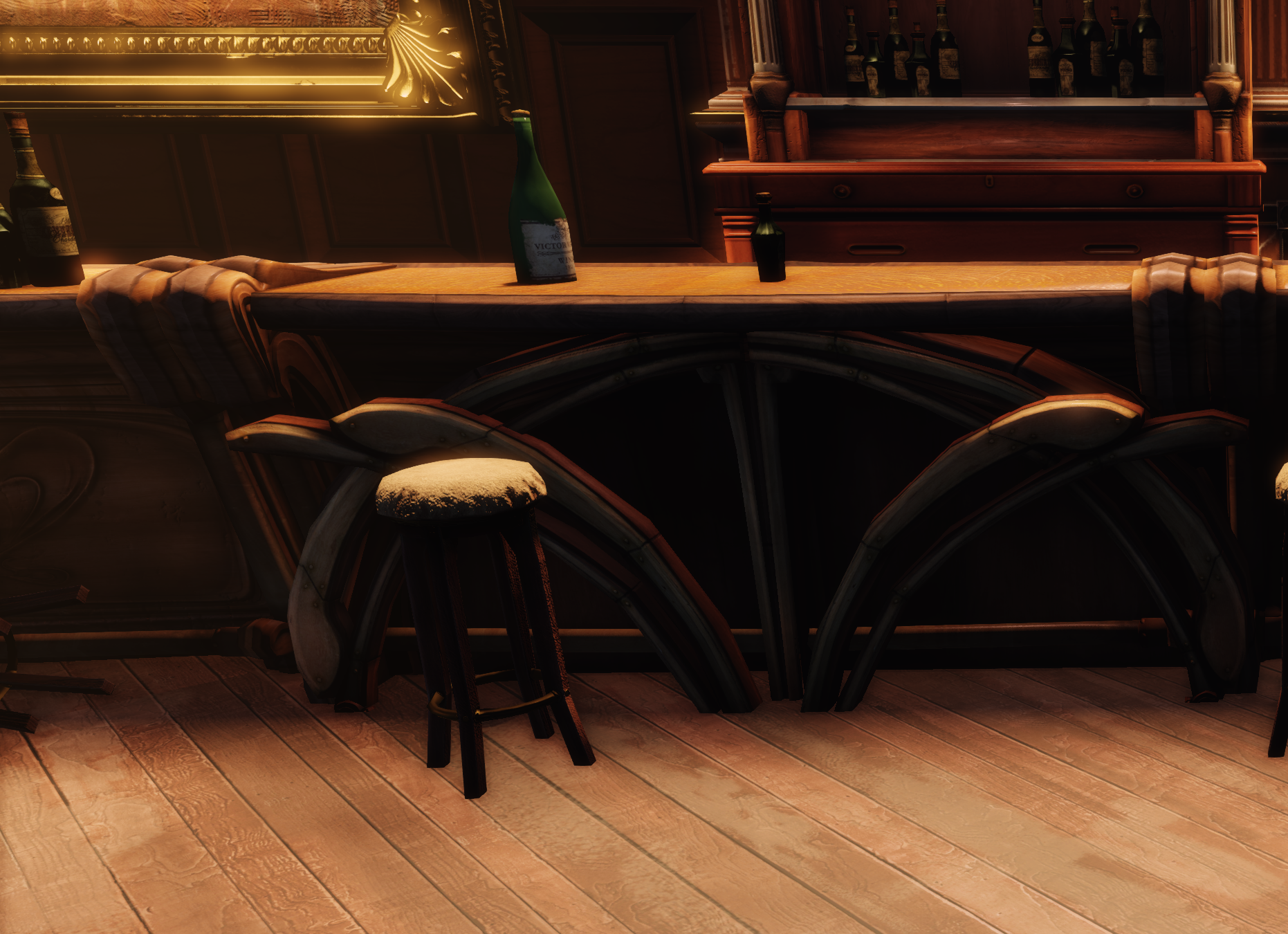
I think the first screenshot above is actually quite a good example of the difference in styling, where you can visibly see the clearly Art Nouveau inspired design sticking out a little alongside those produced after the shift.
Below are those assets side-by-side, so you can view the difference more clearly for yourself.
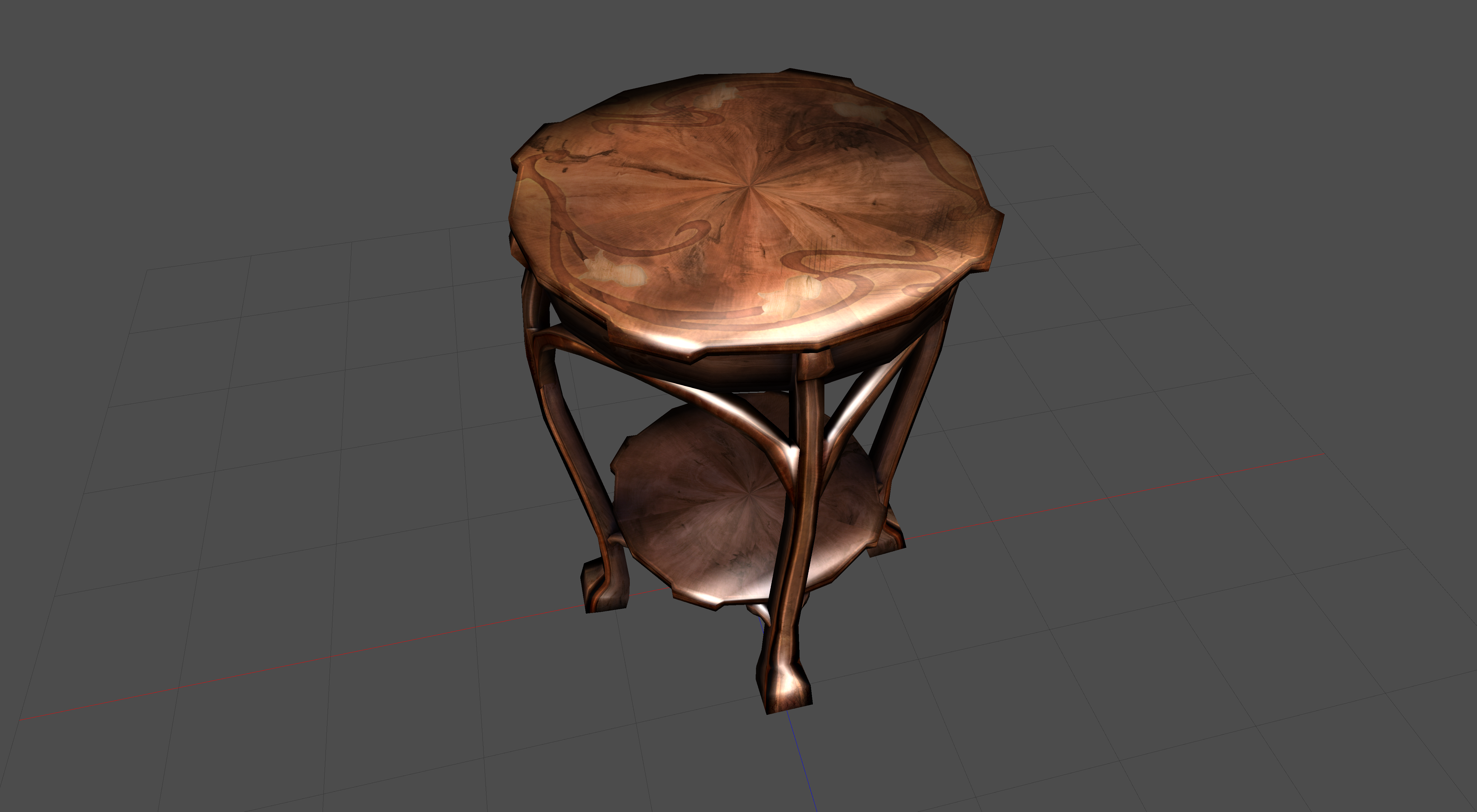
Furniture Tables
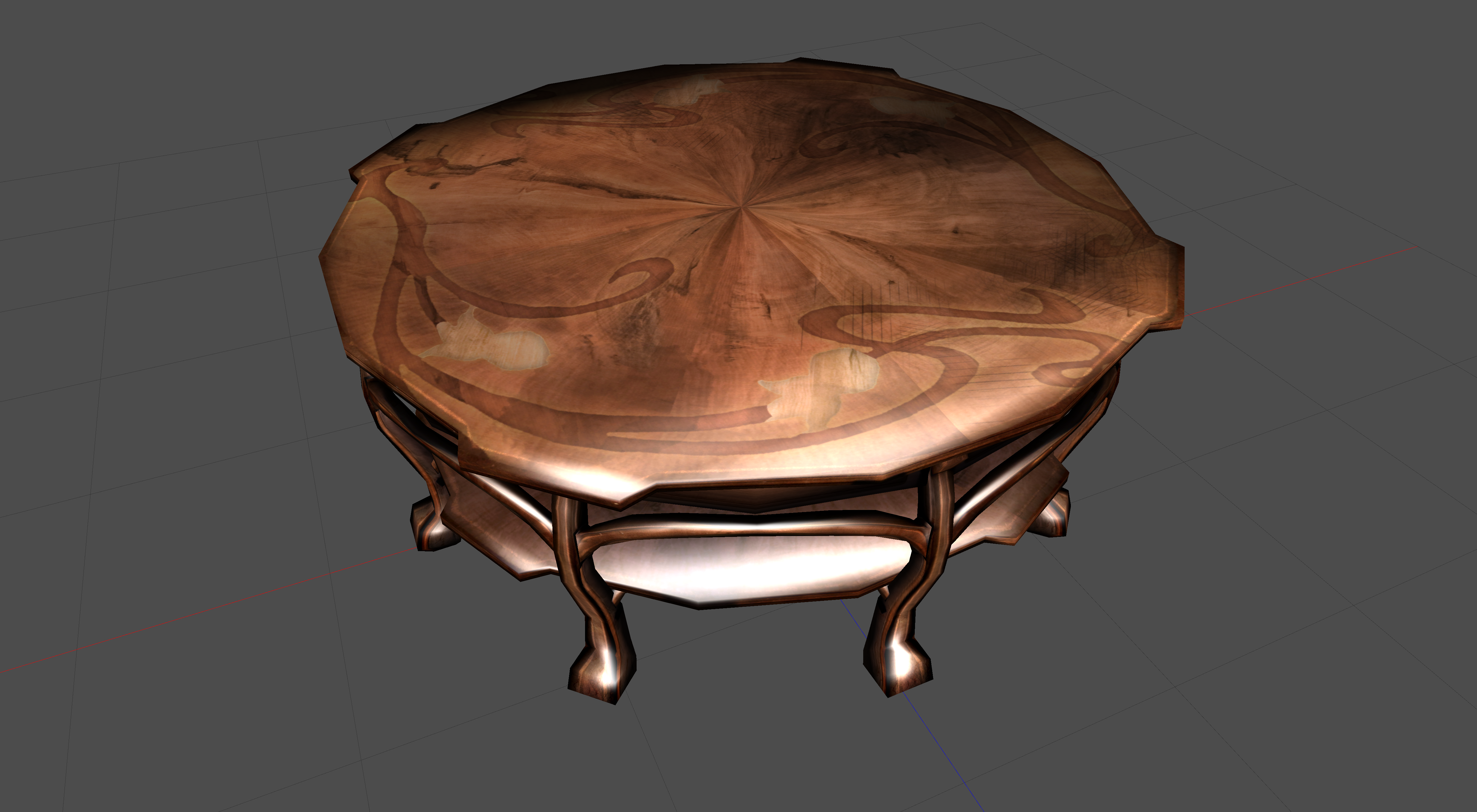
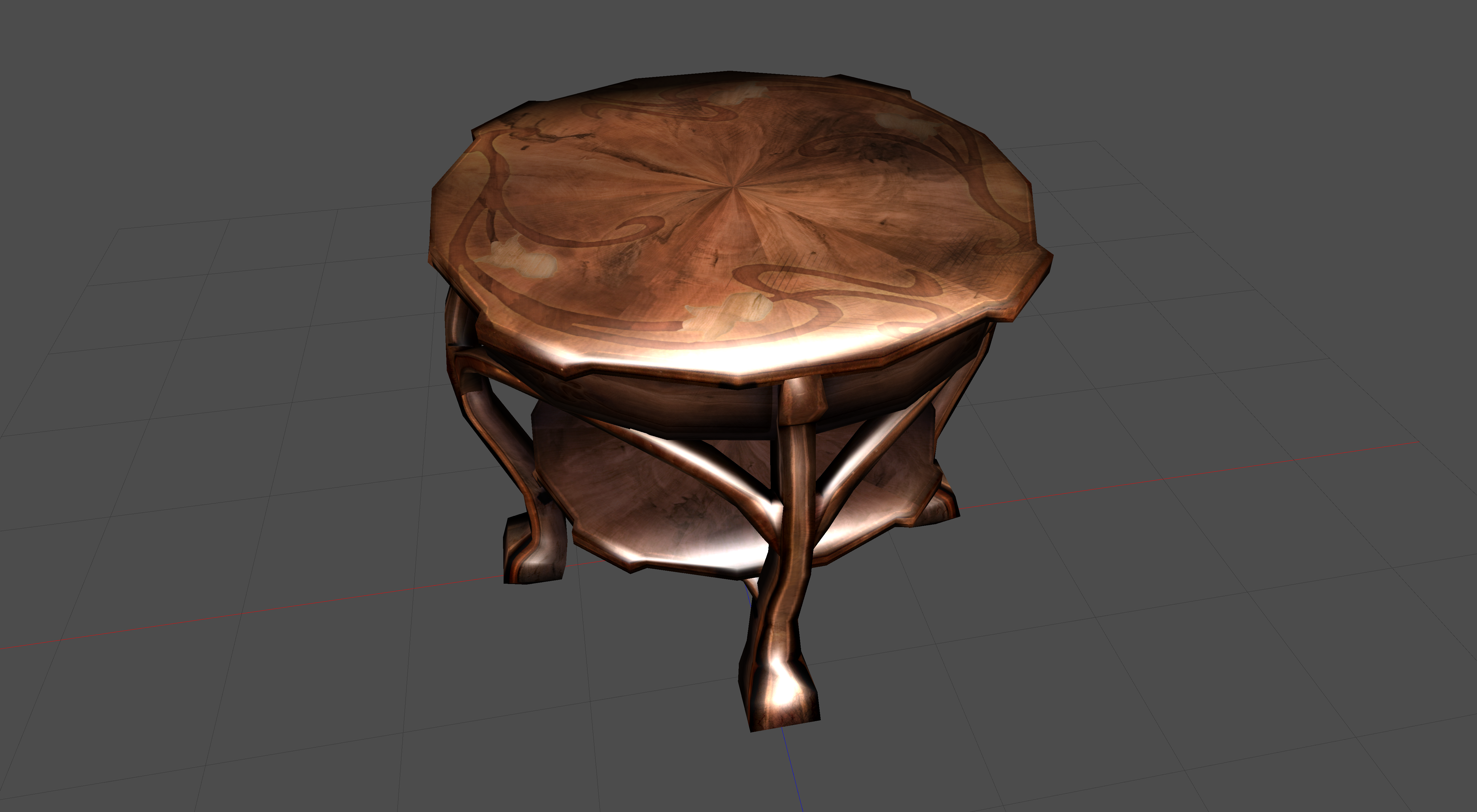
Yup, tables.
Like a lot of what we’ve looked at before, again, very popular in Columbia, apparently.
Bar Assets
A couple of lamps; one broken and one not.
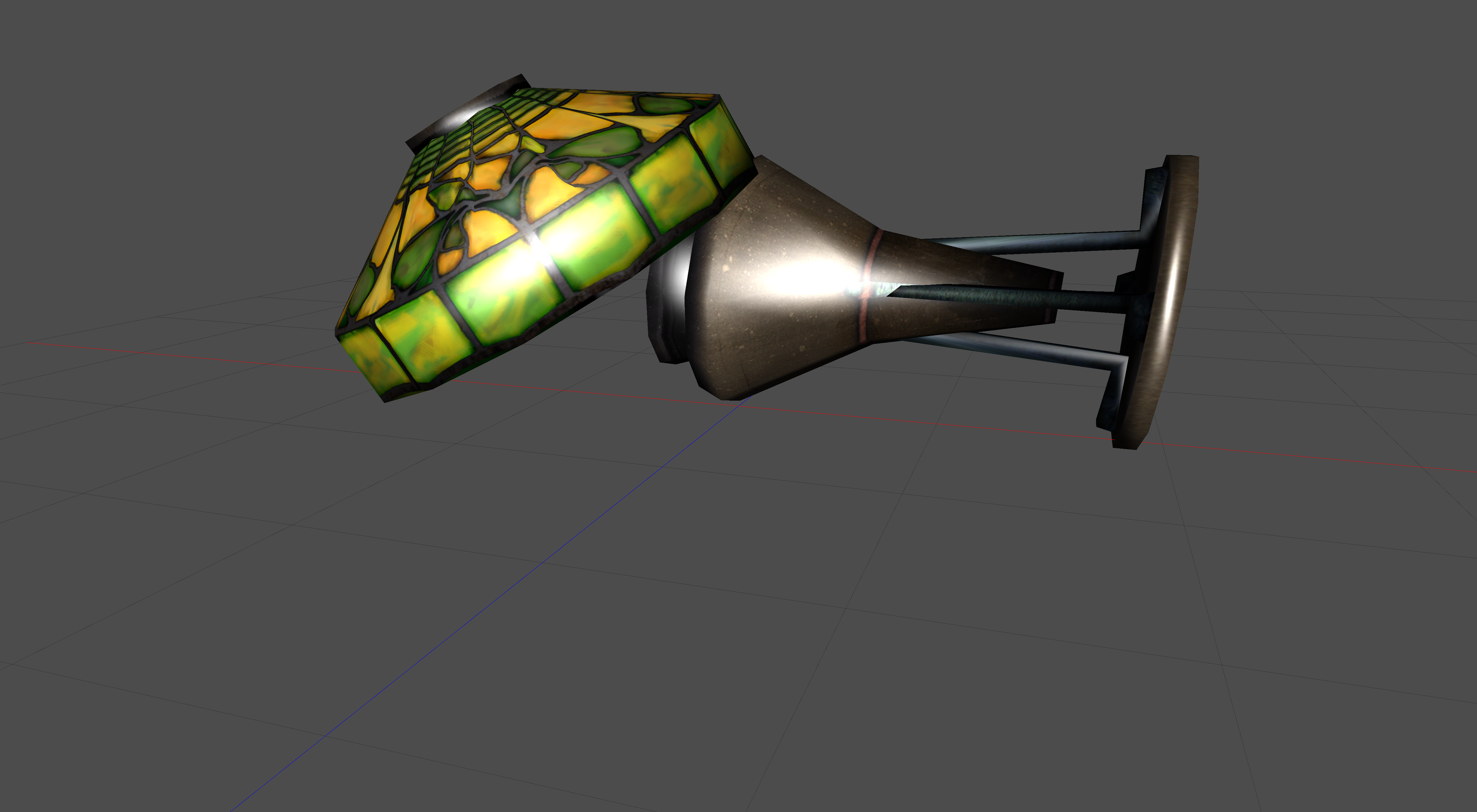
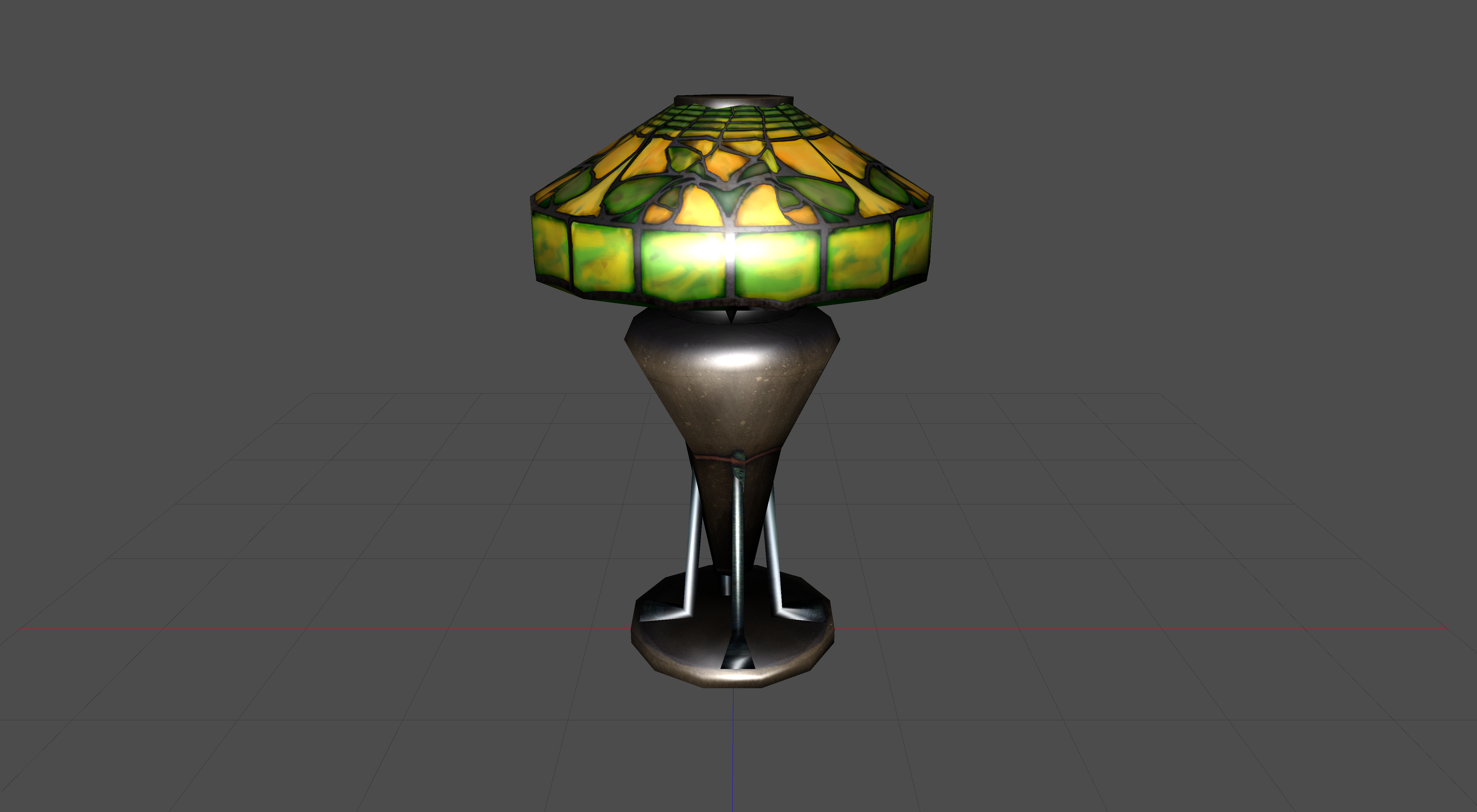
The glass pattern on these is very similar to that of the uh, central ceiling chandelier light thing, visible in this shot, but not the same.
The non-broken version of the lamp can be found all over the place.
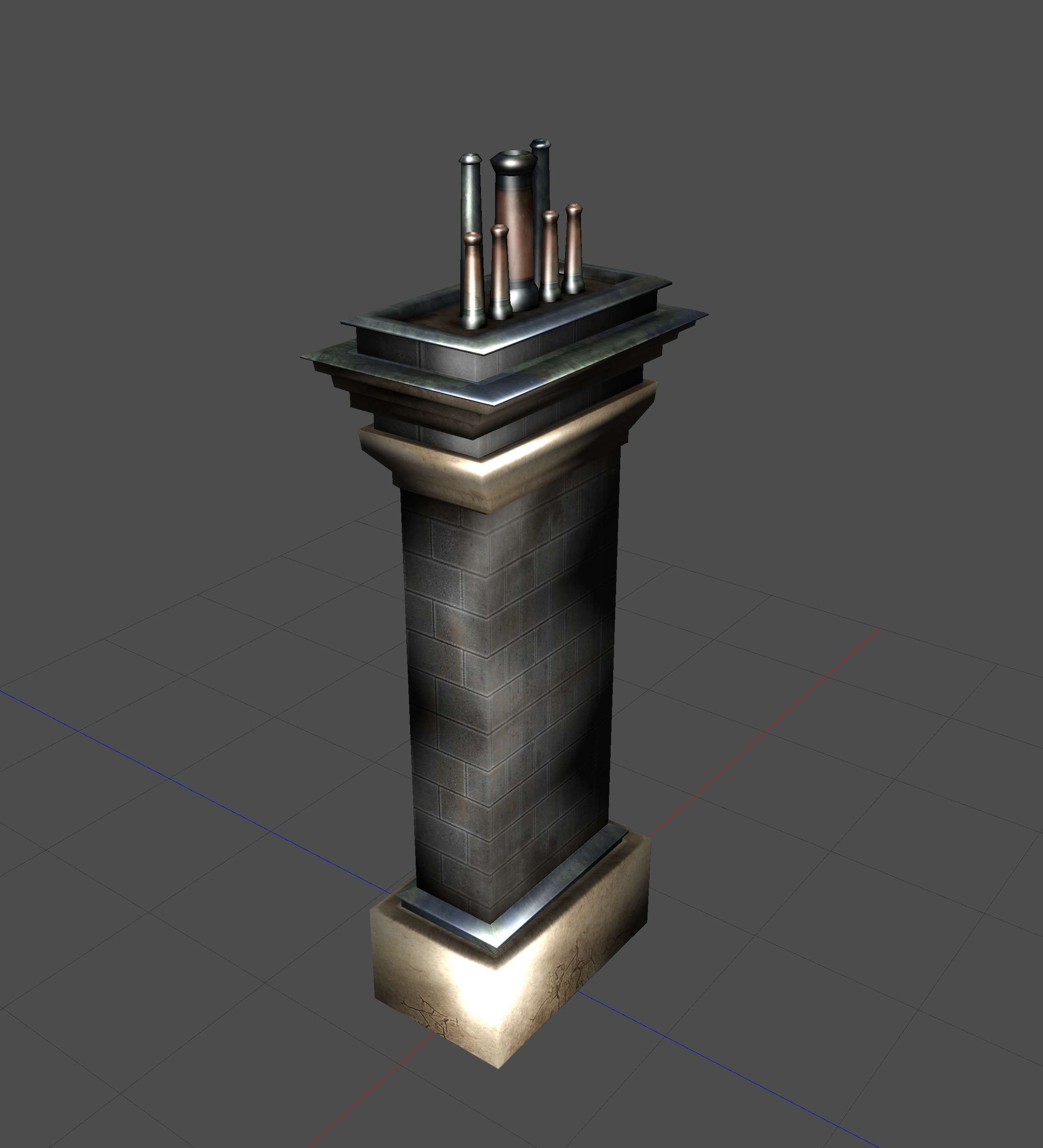
Nouveau Chimney
If it wasn’t for the name this uses internally, it wouldn’t have been mentioned.
Surprisingly, there are no chimneys visible in the earliest screenshots of BioShock Infinite, or earliest clips either, unless I’m blind. So I couldn’t verify it. Into the special mentions pit with ye!
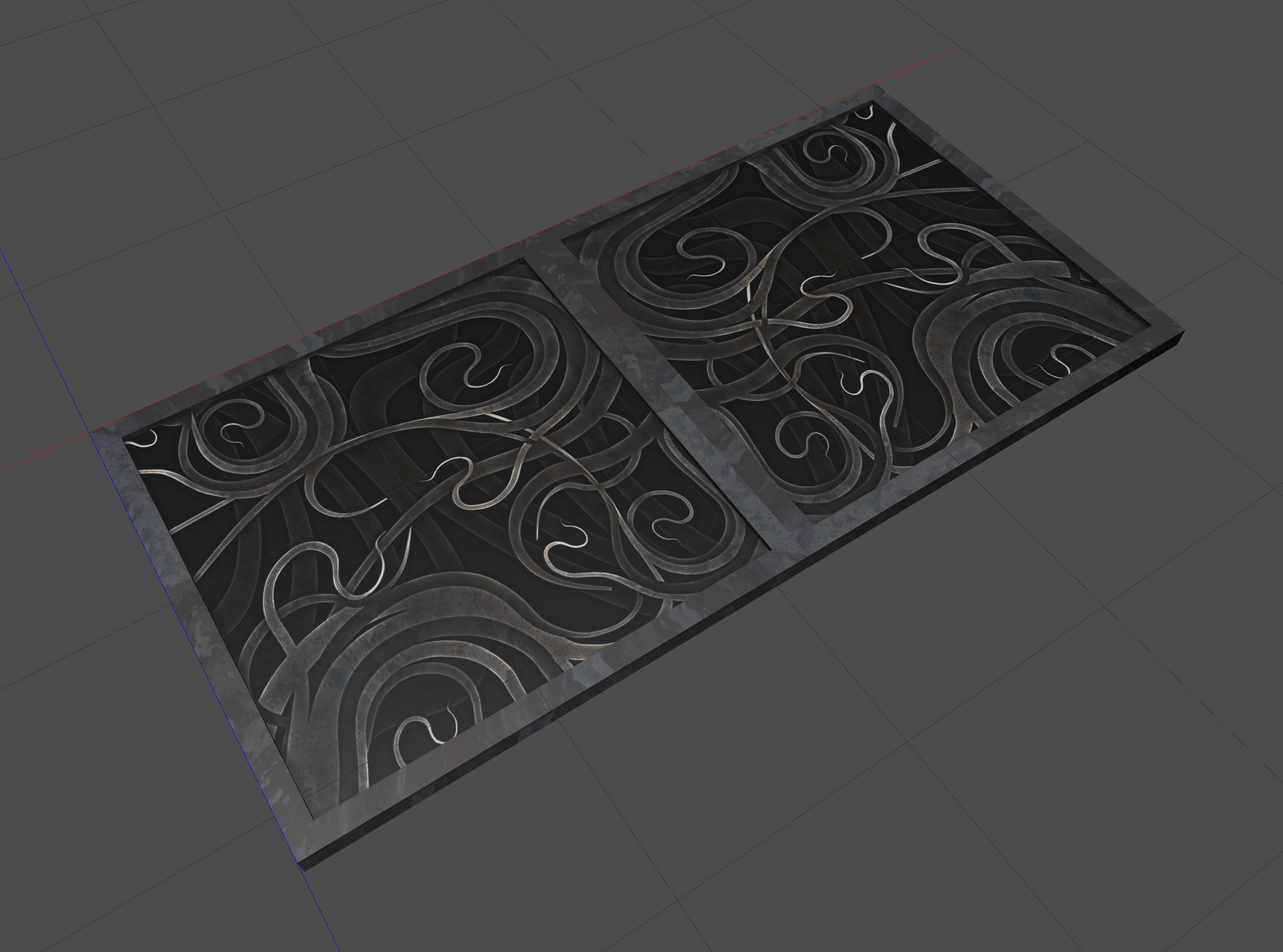
Nouveau Grate
Not sure at all where this is still used in the final game.
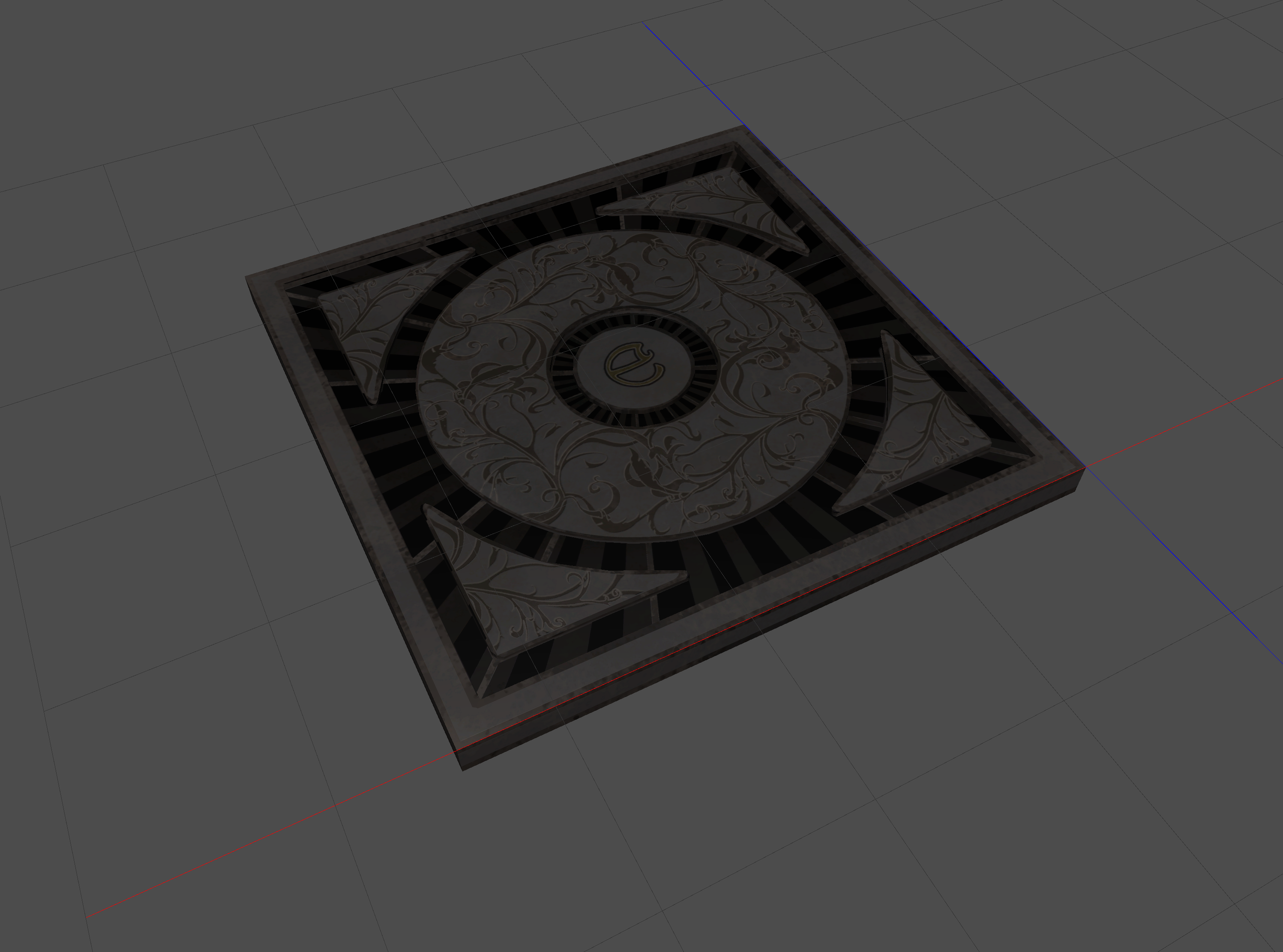
Metal Grate
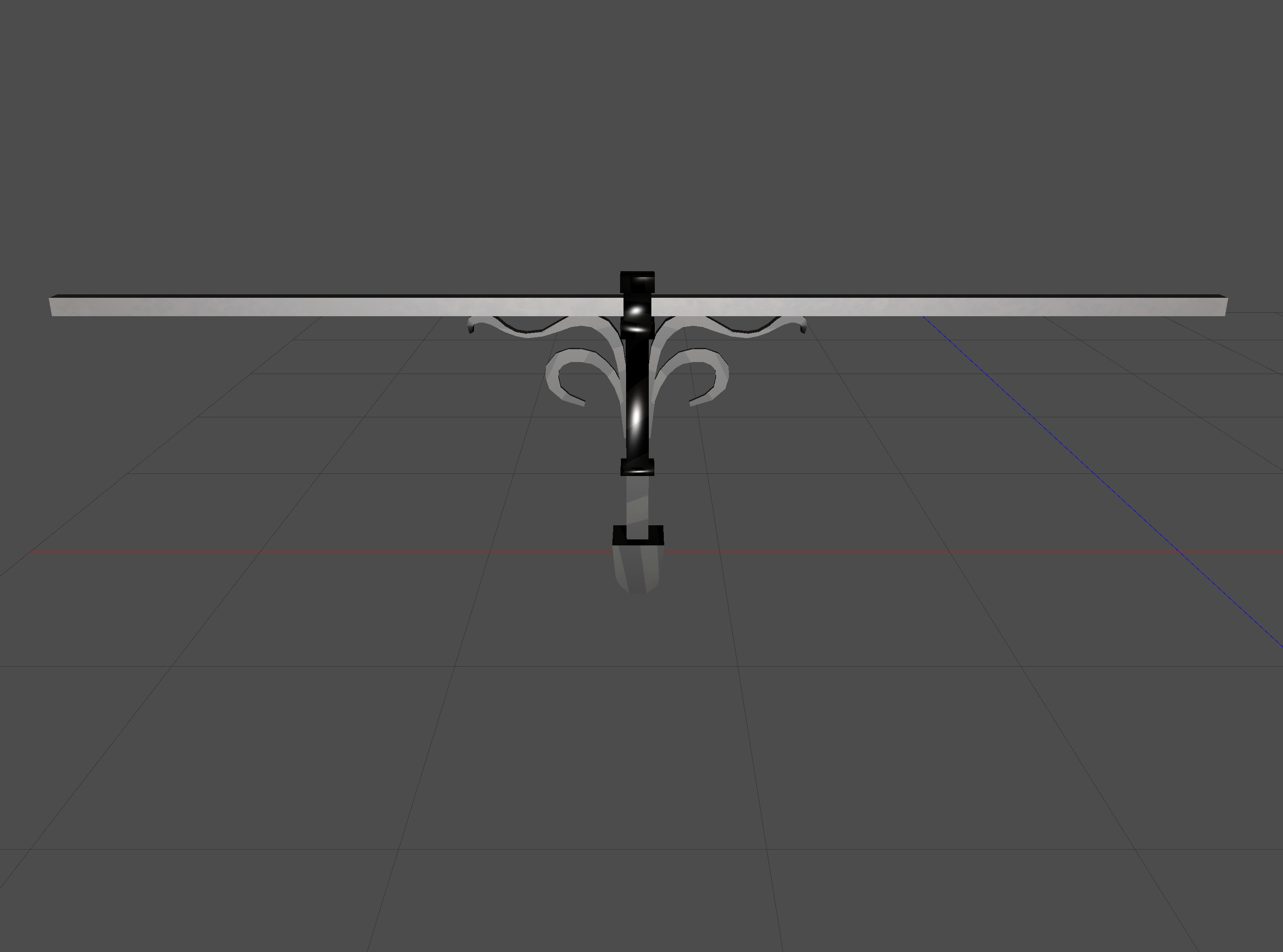
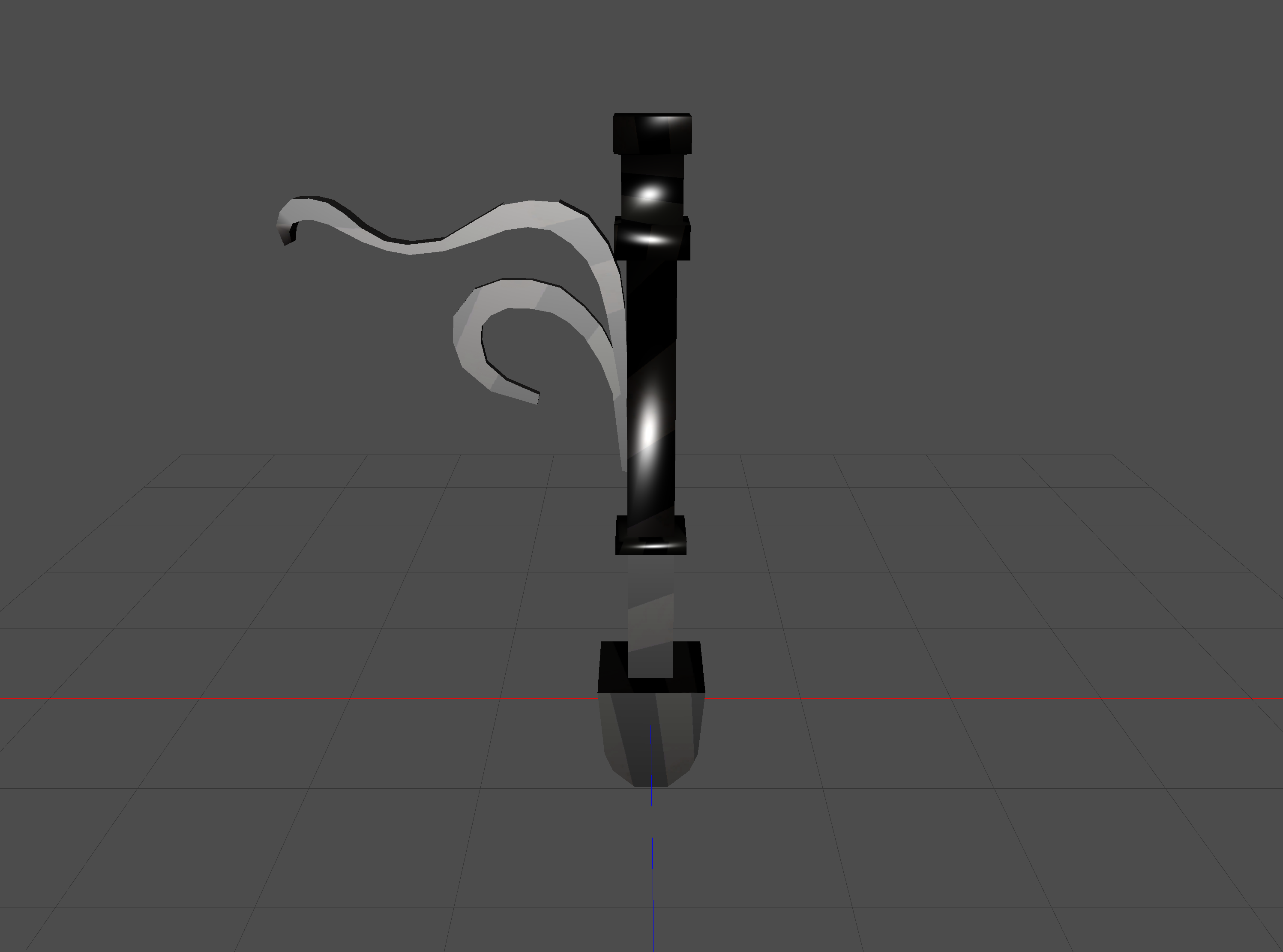
I know the first of is used in parts of the Hall of Heroes in the final game, but I’m not so sure about the others.
Bistro Set
This first image shows two models that are part of what’s internally called the Bistro Set. I’ve not noticed them in any of the pre-release material I’ve looked at, so it’s not outside the realm of possibility that these were introduced later in development.
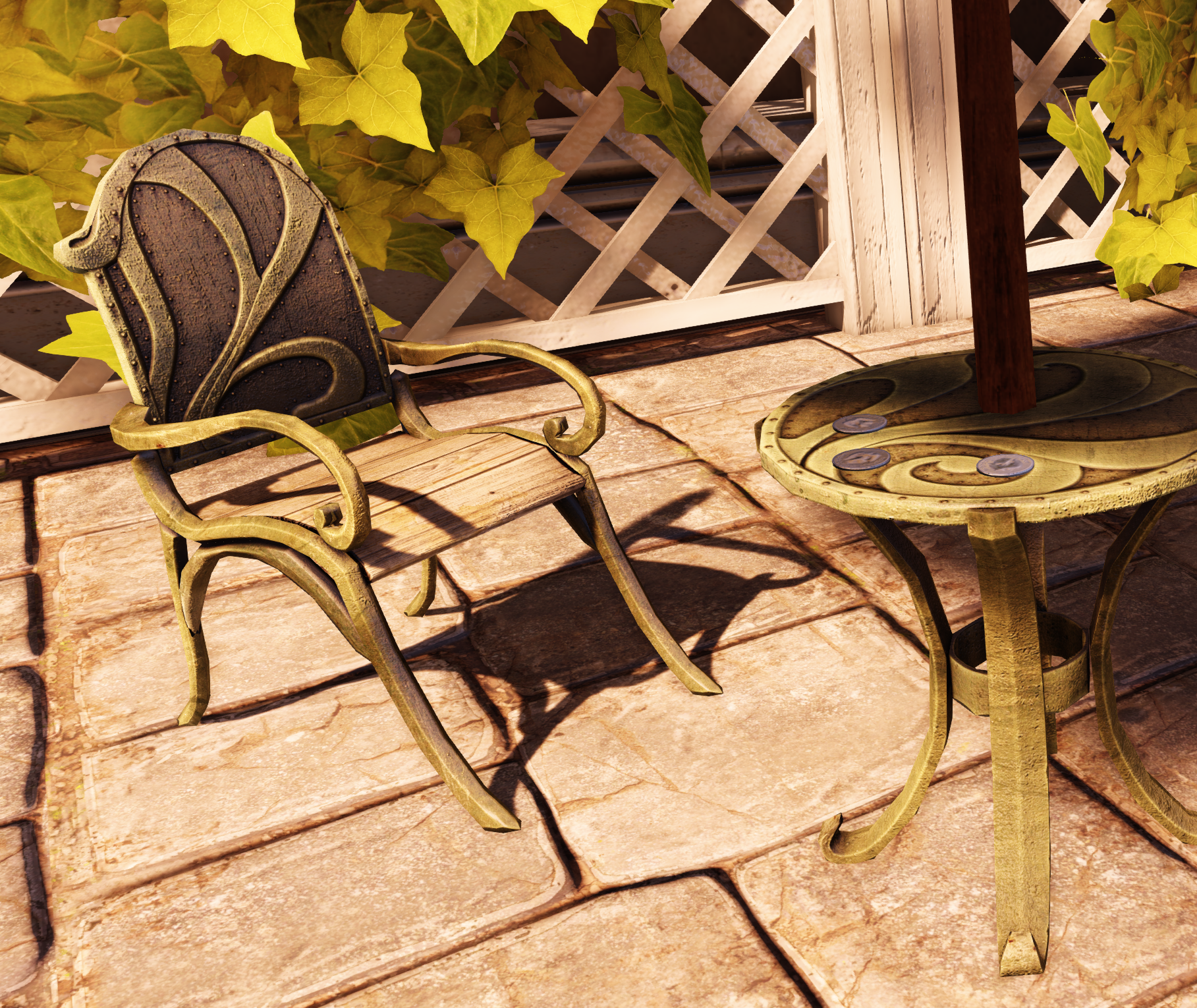
Something about their texture sheet also generally looks a lot cleaner to me than some of the other models we’ve looked at until now, which also makes me doubly unsure if these weren’t just added later in development.
These bastards were also responsible for sending me down this rabbit hole in the first place. Shakes fist angrily at them.
The End
Oh my goodness, is it over? This was supposed to be a short piece! But it just kept going and going.
One thing I most certainly did not do, particularly because it probably would’ve driven me rather insane, is checking out all the textures in the game. This is a bit beyond my patience. But I’ve no doubt there’s probably more to see there.
Anyway, if you’ve enjoyed this, do let me know! If you want to submit any feedback, you can either do so via the comments section below or you can join our Discord server and share your thoughts there.
Until next time, farewell…